
Plants
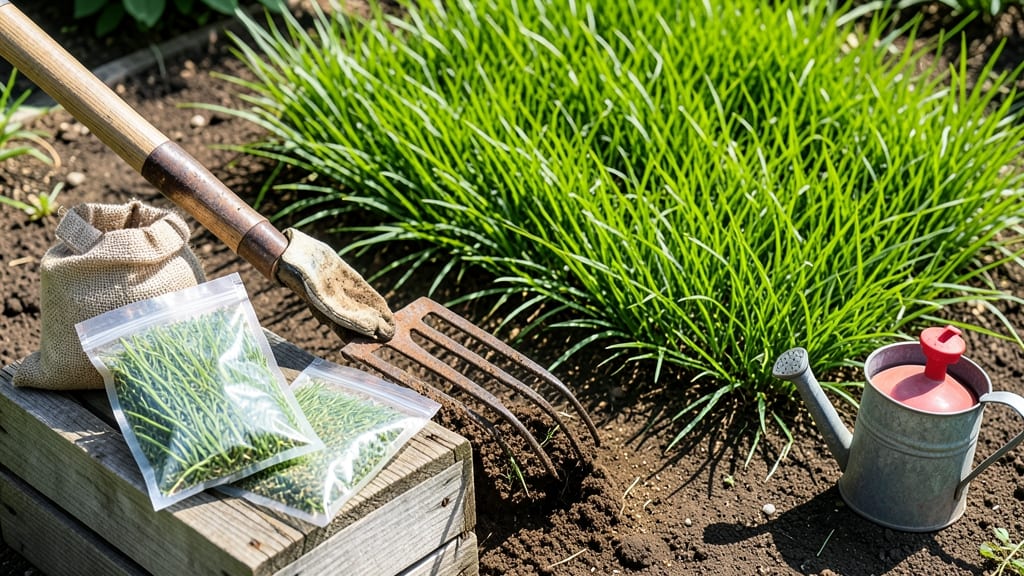
Timing your Bermuda grass seed planting in South Carolina can make or break your lawn’s success—get it wrong, and you’ll battle patchy growth and weak roots all season.
Here’s the secret: coastal areas and inland zones have different rules, and the ideal window shifts between spring and fall. Whether you’re in Charleston’s humidity or Columbia’s heat, knowing when to plant ensures your grass takes off fast and stays resilient through summer’s brutal heat.
I’ll break down the exact months to plant, how soil temperature plays a role, and why fall planting often beats spring for deeper roots. Plus, I’ll share pro tips to avoid common mistakes that leave lawns struggling.
Ready to transform your yard into a lush, drought-proof Bermuda carpet? Let’s dive into the perfect planting schedule for your South Carolina climate.
Optimal Bermuda grass planting months in South Carolina: coastal vs inland schedule
South Carolina’s diverse climate zones mean your Bermuda grass seed timing should differ between coastal areas and inland regions. Coastal zones (like Charleston) stay warmer longer due to ocean influence, while inland areas (Piedmont) experience hotter summers and earlier frost risks.
Both need precise timing to avoid seed washout or dormancy struggles.
For coastal South Carolina, aim for late April through early June in spring, when soil temps hit 65°F+. Fall planting works September 1–mid-October, giving seeds 6–8 weeks to establish before first frost.
Inland areas should plant early May–June in spring, with fall windows early September–October 15 to avoid early cold snaps.
Soil temperature is your best guide—wait until it’s consistently 65°F+ at 4-inch depth. Use a soil thermometer to check; coastal soils warm 2 weeks earlier than inland. Planting too early risks fungal diseases from cool, damp soil, while late planting may leave your lawn vulnerable to weeds.
Here’s how to align your planting with South Carolina’s microclimates:
| Region | Spring Planting Window | Fall Planting Window | Soil Temp Threshold | Key Risk |
|---|---|---|---|---|
| Coastal (e.g., Charleston, Hilton Head) | Late April–Early June | Early Sept–Mid-October | 65°F+ (2 weeks earlier than inland) | Hurricane washout (late spring) |
| Inland (e.g., Columbia, Greenville) | Early May–June | Early Sept–October 15 | 65°F+ (delayed 1–2 weeks) | Early frost (late fall) |
| Upstate (e.g., Spartanburg, Anderson) | Mid-May–June | Late Aug–Early Oct | 68°F+ (cooler nights) | Slow germination |
Before planting, prepare your soil by mowing existing grass short (1 inch) and watering deeply 2–3 days beforehand. Coastal areas may need sand amendments to improve drainage, while inland soils often benefit from compost mixing to retain moisture.
Test your soil pH—Bermuda grass thrives at 6.0–7.0; adjust with lime (to raise) or sulfur (to lower) as needed.
Choose high-quality Bermuda grass seed labeled for your region. Coastal varieties like Tifway 419 handle salty air and humidity, while inland types such as Celebration resist drought and heat stress.
Sprinkle seeds lightly (½ lb per 100 sqft) and cover with ¼ inch soil to protect them from birds and sunburn.
After planting, keep soil moist (not soggy) for 2–3 weeks—coastal areas may need daily watering due to high evaporation, while inland zones can stretch to every other day.
Avoid walking on new seeds to prevent soil displacement. Within 3–4 weeks, you’ll see sprouts, signaling successful root establishment.
Timing your Bermuda grass planting to South Carolina’s climate zones ensures stronger roots, faster coverage, and a lawn that outcompetes weeds. Whether you’re in humid Charleston or hot Columbia, aligning with these windows gives your grass the best start for year-round resilience. 🌱
Pro tip: Mark your calendar for late May—this is the sweet spot for inland planting, balancing soil warmth and rainfall to minimize hand-watering needs. Coastal gardeners, aim for early June to avoid hurricane season disruptions. ☀️
How to adjust planting timing for stronger root establishment in Bermuda grass
Timing your Bermuda grass seed planting isn’t just about months—it’s about soil temperature, weather patterns, and root development. In South Carolina, spring and fall offer the best windows, but inland areas can plant slightly later than coastal zones due to warmer microclimates.
The key is ensuring soil stays above 65°F for consistent germination.
For spring planting, aim for late April to early June. Coastal regions should start earlier (late March) to avoid humidity-related fungal risks, while inland areas can wait until May. Fall planting works best from early September to mid-October, giving roots time to establish before first frost (typically mid-November).
Here’s the critical step most gardeners miss: soil aeration before planting. Use a core aerator to create 1/2-inch holes every 3-4 inches. This improves water and nutrient absorption, helping roots grow 3x faster in South Carolina’s clay-heavy soils. Do this 1-2 weeks before seeding.
Risk: Seeds planted after June 15 (spring) or October 15 (fall) struggle to establish before extreme heat or frost. Weak roots mean poor drought resistance and increased weed competition.
Fix: Test soil temp with a soil thermometer—wait until it’s consistently 65°F+ for 5+ days.
Watering strategy makes or breaks success. New seeds need daily moisture (1/4 inch per day) until germination (7-14 days). After sprouting, shift to deep watering 2-3x per week to encourage deep roots. Avoid overhead sprinklers—they promote fungal growth in South Carolina’s humid summers.
Fertilization timing is just as critical. Apply a high-nitrogen starter fertilizer (16-4-8) at planting, then switch to a balanced formula (10-10-10) 6 weeks later. Inland areas can add a slow-release fertilizer in late summer to boost fall growth. Never fertilize in winter—Bermuda grass goes dormant.
Monitor your lawn’s progress with these root health signs: Deep green color (healthy), firm footing (strong roots), and minimal weeds (competitive growth). If you see yellow patches or spongy soil, it’s time to aerate again or adjust watering.