
Plants
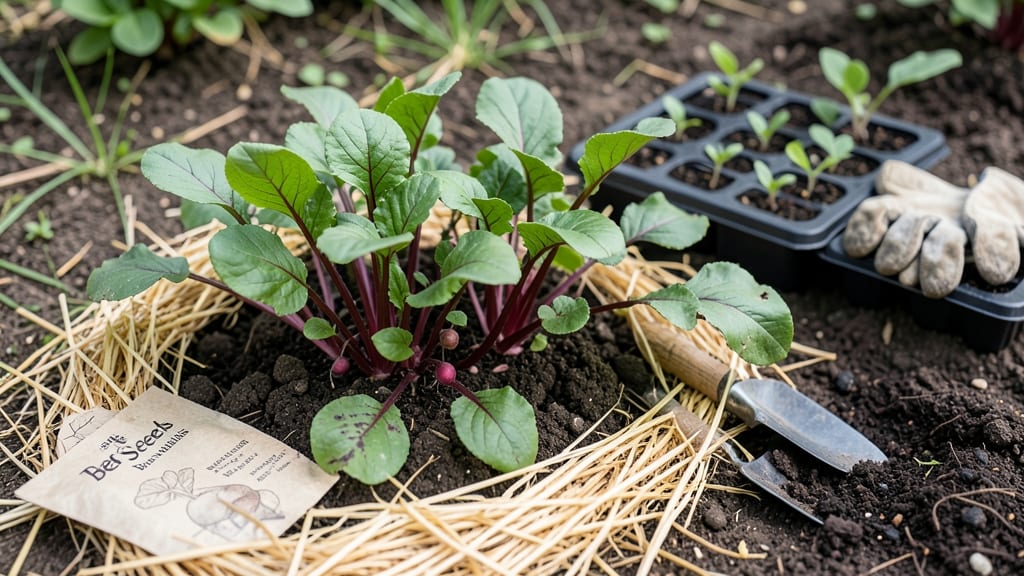
If you've ever struggled to grow sweet, tender beets in Zone 9's intense heat, you're not alone—when to plant beets in zone 9 is the key to avoiding bitter greens or wilted roots, but get it right, and you'll enjoy a steady harvest all season long.
Zone 9's mild winters and scorching summers create unique challenges, but with the right strategy, you can outsmart the climate.
The key lies in planting during the cooler months—September through November and again in February to March—when temperatures stay just cool enough to prevent bolting while avoiding the summer heat that stresses plants.
What makes this even more exciting is how adaptable beets are once you nail the timing. Whether you're in Phoenix's desert or Southern California's coastal areas, these start dates give your beets the best shot at thriving without the guesswork.
Let's dive into exactly how to make it work for your garden.
You'll discover how to adjust for microclimates, choose the best varieties for your area, and keep your beets happy from seed to harvest. No more wasted effort—just sweet, earthy roots ready to enjoy all season.
Best planting windows for beets in Zone 9’s climate
Zone 9’s warm winters and long growing season make beets a rewarding crop—but timing is everything. Unlike cooler climates, you can’t plant beets year-round here. The key is targeting fall and early spring windows when temperatures stay below 75°F to prevent bolting (flowering too soon).
Coastal areas like San Diego have milder winters, while inland deserts like Phoenix need even cooler timing.
For most of Zone 9, September through November is your prime window. This gives beets time to mature before winter rains arrive. If you’re in a coastal microclimate, you might extend planting into early December when nights stay cool.
The goal? Avoid summer heat, which causes beets to bolt or develop woody, bitter roots.
Spring planting is trickier but possible. Aim for late February to early March in coastal areas, or March to early April inland. By then, soil temperatures drop enough to support germination without stress. Pro tip: Use shade cloth if planting in late spring to protect seedlings from sudden heat spikes.
| Planting Window | Ideal Months | Temperature Range | Notes |
|---|---|---|---|
| Fall Planting | September–November | 60–75°F | Best for harvest before winter rains. |
| Spring Planting | February–March (coastal) / March–April (inland) | 55–65°F | Use shade cloth for late spring plantings. |
| Avoid | April–October | Above 75°F | High risk of bolting or poor root development. |
Microclimates play a huge role in Zone 9. If you’re in a coastal area, like Santa Barbara, you can push planting into early December thanks to ocean breezes keeping nights cool.
Inland deserts? Stick to September–October and accept that winter rains might limit your harvest window. Always check your local 10-day forecast for heat warnings before sowing.
Succession planting is your secret weapon. Instead of one big planting, sow every 2–3 weeks during your window. This ensures a steady supply of fresh beets and spreads out your harvest.
For example, plant half your seeds in September and the rest in October—this way, you’ll have beets ready from November through January.
Soil temperature matters just as much as air temperature. Beets won’t germinate well in soil above 80°F. Use a soil thermometer to confirm temps are between 55–75°F before planting. If your soil is too hot, wait a few weeks or use shade cloth to cool it down.
Don’t overlook elevation differences. Higher elevations in Zone 9 (like parts of Arizona’s mountains) can be 10–15°F cooler than desert lowlands. Adjust your planting dates accordingly—you might plant 2–3 weeks earlier at higher elevations to align with cooler temps.
Finally, plan for harvest timing. Beets need 50–70 days to mature, so calculate backward from your first expected frost (if any) or heatwave. In Zone 9, most gardeners aim to harvest by January to avoid summer stress. Save seeds from your best beets for next year’s fall planting!
With the right timing, you’ll enjoy sweet, tender beets all winter long—no bitterness, no bolting, just perfect roots. Happy planting! 🌱
Best planting windows for beets in Zone 9’s climate
Zone 9’s mild winters and scorching summers make timing critical for growing sweet, tender beets. Unlike cooler zones, you can’t plant in early spring—heat stress causes bolting, turning your beets bitter and woody.
Instead, focus on two prime windows: fall and early spring, when temperatures stay between 50°F and 75°F.
In coastal areas like San Diego, you might squeeze in a late summer planting (August) by using shade cloth, but inland areas like Phoenix should avoid summer planting entirely.
The key is to start seeds 6-8 weeks before your first frost-free period—though Zone 9 rarely sees frost, aim for September-October for fall crops and February-March for spring.
| Planting Window | Ideal Months | Temperature Range | Notes |
|---|---|---|---|
| Fall Planting | September-October | 50°F–75°F | Best harvest window; avoid planting after October in inland areas. |
| Spring Planting | February-March | 55°F–70°F | Harvest before summer heat sets in (April). |
| Late Summer (Coastal Only) | August (with shade) | Below 85°F | Use 30% shade cloth; harvest by September. |
For extended harvests, try succession planting every 2 weeks during your chosen window. This ensures a steady supply of fresh beets without overwhelming your garden. For example, if you plant September 1st, 15th, and 30th, you’ll have beets ready to harvest through December.
Microclimates play a huge role in Zone 9. Coastal gardens (like Santa Barbara) stay cooler longer, allowing for later fall plantings (up to November). Meanwhile, inland desert areas (like Palm Springs) should finish planting by mid-October to avoid the 100°F+ days that trigger bolting.
Pro tip: Use a soil thermometer to monitor ground temps. Beets thrive when soil stays between 50°F and 75°F.
If temps creep above 80°F for more than a few days, your beets will bolt—meaning they’ll send up flower stalks and become inedible. Shade cloth (30-50%) can buy you 2-4 extra weeks of growing time in hot microclimates.
Remember, Zone 9’s long growing season is your advantage—plan for two harvests per year instead of one. With the right timing, you’ll enjoy sweet, crisp beets from fall through spring without the summer struggles. 🌱