
Plants
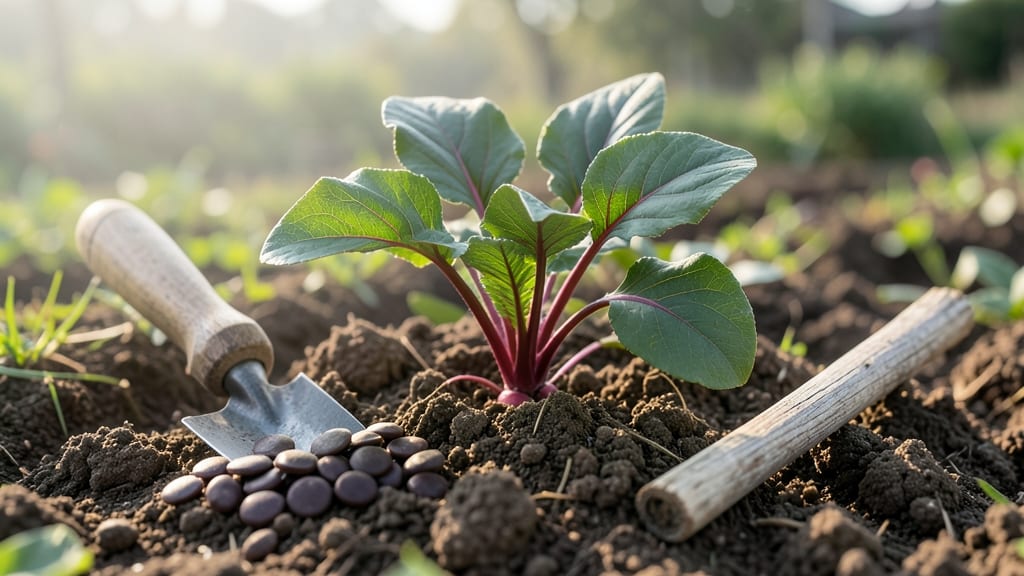
Planting beets in Zone 8b can feel like a guessing game—too early, and you risk frost damage; too late, and your 🍠 greens bolt into bitter oblivion. The key to success? Timing it right with soil temperatures and smart seasonal strategies that keep your harvest sweet and plentiful.
Most gardeners in Zone 8b assume spring is the only window, but late summer planting can actually work if you follow a few tricks. I’ll break down the exact months to plant, how to check soil temps for fast germination, and which varieties hold up best against heat stress.
Whether you’re a first-timer or a seasoned grower, these insights will help you avoid the most common mistakes. No more wasted seeds or disappointing harvests—just tender, vibrant beets all season long.
Let’s dive into the perfect planting schedule and soil secrets to make your Zone 8b beet garden thrive.
Best planting times for beets in Zone 8b: avoiding bolting and heat stress
Zone 8b’s mild winters and hot summers make beet planting tricky—get the timing wrong, and you’ll end up with bolted greens or slow germination. The key is planting when soil temperatures stay between 50°F and 75°F, avoiding both cold snaps and scorching heat.
In my experience, the sweet spot is late winter through early spring, with a second window in late summer for fall harvests.
Beets thrive in cooler weather, so aim to sow seeds 4-6 weeks before your last frost date (around February 15 in Zone 8b). This gives them time to mature before summer’s heat sets in.
For fall crops, plant again in late August to harvest before the first frost (November 20). Timing is everything—too early, and cold soil slows germination; too late, and heat triggers bolting.
Here’s how to align your planting schedule with Zone 8b’s climate for success:
Spring planting is my favorite because it aligns with Zone 8b’s cooler, wetter months, which give beets the consistent moisture they crave.
Start seeds indoors 4 weeks before last frost if you’re eager for an early harvest, but direct-sowing works too—just keep soil moist until germination (usually 7–14 days). For summer planting, I switch to shade cloth to protect seedlings from intense afternoon sun.
Bolting is the biggest enemy in Zone 8b’s heat, and it’s triggered by temperature spikes above 80°F or long daylight hours. To prevent it, I always plant heat-tolerant varieties and use drip irrigation to keep soil evenly moist.
Succession planting—sowing every 2–3 weeks in spring—ensures a steady supply of fresh beets without overcrowding.
Don’t overlook fall planting either! Beets sown in late summer mature just in time for harvest before winter sets in. I’ve had great success with Chioggia beets in September—their swirled patterns make them a showstopper in salads. Just be sure to mulch heavily to insulate roots from temperature swings.
If you’re new to beet growing, remember: patience is key. Beets take 50–70 days to mature, but rushing the process leads to wooden roots or bitter greens. Stick to the soil temperature guidelines, and you’ll enjoy sweet, tender beets from spring through fall.
Pro tip: Mark your calendar for March 1 and August 20—these are my go-to planting dates in Zone 8b. Adjust based on your microclimate, and don’t forget to rotate crops to prevent soil-borne diseases like beet curly top virus.
With the right timing, you’ll avoid the common pitfalls of Zone 8b beet growing and enjoy a bountiful harvest all season long. Happy planting! 🌱
Soil temperature tricks: how to time beet planting for fast germination
Beets thrive when soil temperatures hover between 50°F and 75°F. In Zone 8b, this means avoiding the hottest summer months (June-August) and leveraging winter's mild spells. Use a soil thermometer to check—ideal temps for germination are 60-70°F, and seeds may rot in soil above 80°F.
For spring planting, aim for February-March when soil warms to 55°F+. In fall, plant August-September to harvest before first frost (around November 20). Winter planting is tricky but possible with row covers to maintain 50-60°F soil temps.
🌱 Soil Temperature Tricks for Beets
- Test soil temps with a thermometer—plant when 50-75°F.
- Adjust planting depth: ½" in warm soil, 1" in cold soil.
- Use row covers to warm soil 5-10°F in spring.
- Water soil before planting to stabilize temps.
- Mulch heavily to keep roots cool in summer.
Slow germination? Try pre-sprouting seeds indoors for 2-3 days before transplanting. Place seeds between damp paper towels in a 70°F environment—sprouts appear in 3-5 days. Transplant seedlings into 55°F+ soil for best survival rates.
In Zone 8b’s heat, avoid planting after April 15 unless using shade cloth. Beets bolt (go to seed) when stressed by high temps + long days. For summer harvests, opt for heat-tolerant varieties like Boltardy or plant in partial shade.
Pro tip: Stagger plantings every 2 weeks in spring/fall for continuous harvests. Mark your calendar for February 15 (last frost) and November 20 (first frost)—these dates bookend your 240-day growing window.
Remember: Consistent soil moisture is key—dry soil = slow germination. Water deeply before planting and keep soil evenly moist until seeds sprout. A 1-inch-deep watering 2x/week maintains ideal conditions.