
Plants
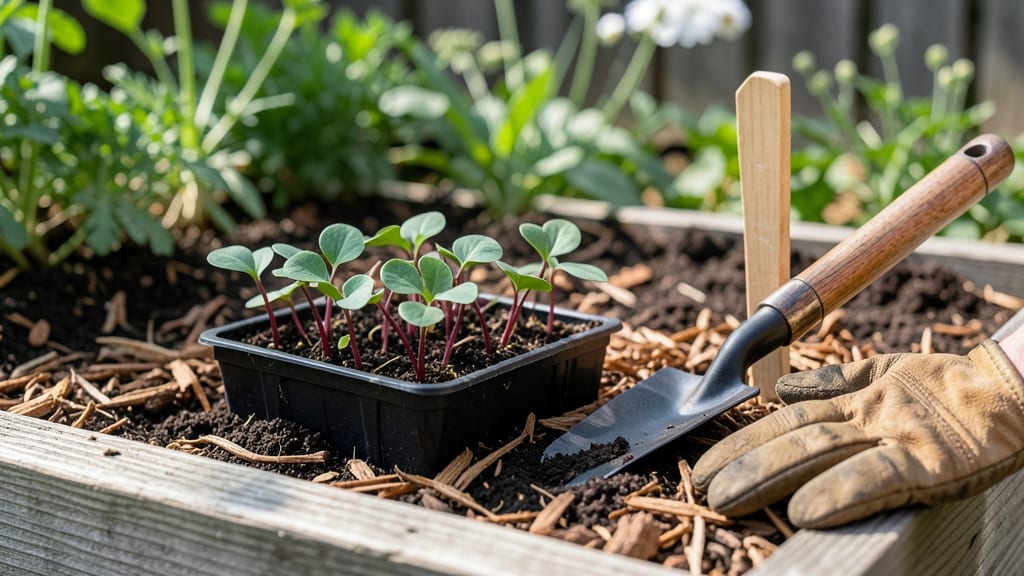
Planting beets in Central Texas might seem like a gamble—one wrong move, and you're left with bitter greens instead of sweet, tender roots. But timing is everything, and with the right schedule, you can enjoy a steady harvest from fall through spring.
In Zone 8a, the key is avoiding those brutal summer months when heat triggers bolting. September through October and February to March are your sweet spots, giving beets the cooler conditions they crave. Think of it like scheduling a cool-down period for your 🍠 garden.
What you'll discover is how to stretch your growing season without risking failure. We'll cover exact planting dates, soil prep tricks, and companion plants that thrive alongside beets in Texas heat. No more guessing—just reliable, homegrown harvests.
The secret lies in understanding how Central Texas's microclimates affect beet growth. From Austin's urban heat islands to San Antonio's slightly milder winters, small adjustments make all the difference. Let's get your beets growing right.
Best planting windows for beets in Central Texas climate zones
Central Texas gardeners know timing is everything—especially when growing beets. The region's USDA Zone 8a climate means scorching summers and mild winters, but with the right schedule, you can grow sweet, tender beets year-round.
The key is planting during cooler months when temperatures stay between 50°F and 75°F—any hotter, and your beets will bolt, turning bitter and inedible.
Most Central Texas gardeners focus on two main planting windows: fall (September–October) and early spring (February–March). These periods align with the region’s first and last frost dates (around November 15 and February 15, respectively), giving beets enough time to mature before extreme heat or cold sets in.
Here’s how the planting windows break down by city and season:
| Season | Ideal Planting Months | Harvest Window | Notes for Central Texas |
|---|---|---|---|
| Fall | September–October | November–December | Plant 4–6 weeks before first frost for a winter harvest. Use row covers if frost threatens. |
| Spring | February–March | April–May | Start seeds indoors in January for an earlier harvest. Avoid planting after April 15 to prevent bolting. |
| Summer (Risky) | August (shade only) | Limited yield | Only attempt with heat-tolerant varieties like 'Detroit Dark Red' and shade cloth (30–50%). |
| Winter | December–January | March (slow growth) | Growth slows below 50°F. Use black plastic mulch to warm soil. |
For Austin, San Antonio, and Waco, these windows hold true, but microclimates matter. Urban areas like Austin may experience slightly cooler nights, while Waco’s drier climate can stress beets faster. Always check your local frost dates—they can shift by a week or two each year.
If you’re aiming for a continuous harvest, stagger plantings every 2–3 weeks in fall and spring. For example, sow a batch in early September, another in late September, and a final one in early October. This ensures fresh beets from November through March without gaps.
One pro tip: Soil temperature is just as critical as air temperature. Beets won’t germinate well in soil colder than 50°F. Use a soil thermometer to confirm readiness—especially in spring when days warm up faster than the ground.
For gardeners in higher elevations (like the Hill Country), extend your fall window into early November. The cooler nights delay bolting, giving you a few extra weeks of harvest. Just be prepared to protect seedlings with frost cloth if temperatures dip.
Finally, don’t overlook succession planting in spring. While most gardeners stop after March, planting a final batch in early April (with shade) can yield small beets by late May—just in time for summer salads before the real heat hits.
With these windows, you’ll avoid the bitter, woody roots that plague summer-planted beets and enjoy a steady supply of sweet, tender harvests all year. 🌱
How to adjust planting times for Central Texas heat tolerance
Central Texas summers can turn beets bitter and bolted if planted too early. The key is strategic timing—focus on fall and early spring when temperatures stay below 85°F.
I’ve learned that September and February are my sweet spots for planting, but with a few adjustments, you can extend your harvest window safely.
For summer planting attempts, choose heat-tolerant varieties like ‘Detroit Dark Red’ or ‘Cylindra’, which handle warmth better than delicate types like ‘Golden’. These varieties can survive brief heat spikes, but they still need shade cloth during peak afternoon sun to prevent bolting.
Another trick I swear by is mulching. A 2-3 inch layer of straw or wood chips keeps soil cool and retains moisture—critical during April and October when temperatures fluctuate wildly. This simple step can buy you 2-3 extra weeks of growing time before bolting sets in.
🌱 Pro Tip: If you’re desperate for summer beets, try container gardening with 50% shade. Place pots near a north-facing wall or under a drip irrigation system to keep roots cool. I’ve had success with this method in June and July when outdoor temps soar.
- 📅 Plant in September for fall harvest before first frost (Nov 15).
- 🌿 Use shade cloth (30-50%) during April-May to prevent bolting.
- 💧 Water deeply twice weekly in summer to maintain consistent moisture.
- 🌱 Choose heat-resistant varieties like 'Detroit Dark Red' for summer trials.
- 🌡️ Avoid planting after May 15 unless using container shade methods.
One common mistake I see is overestimating summer tolerance. Even heat-loving varieties will bolt if soil temps exceed 80°F for more than 3 days. Use a soil thermometer to monitor conditions—if it’s creeping above 75°F, it’s time to switch to shade or delay planting until cooler months.
For extended harvests, I stagger plantings every 2 weeks from September through November. This ensures a continuous supply of fresh beets without risking bolting. Pair this with succession planting in February and March, and you’ll have homegrown beets from fall through spring—no summer struggles required.