
Plants
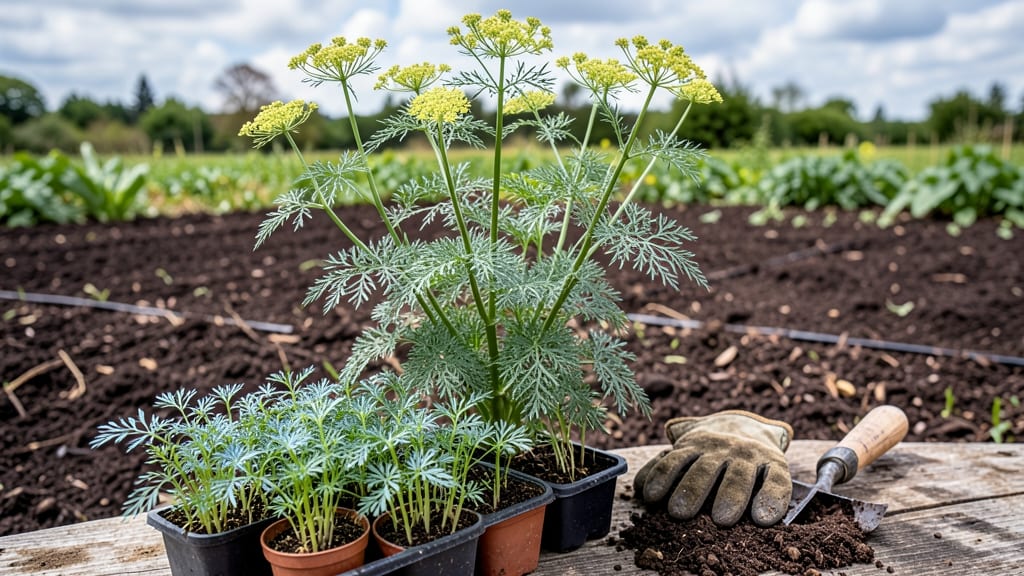
If you've ever planted dill in Zone 9 only to watch it bolt into flowers before you can harvest those fragrant leaves, you're not alone.
The key to growing lush, flavorful dill 🌿 in this climate lies in knowing exactly when to plant dill in Zone 9—and avoiding the heat traps that turn your herb into a seed stalk.
Zone 9's warm winters and long summers create a unique challenge for dill lovers. Unlike cooler regions where spring planting works perfectly, here timing must account for both the late winter threat of lingering warmth and the early summer heat that triggers premature flowering.
I'll show you the precise planting windows that let you beat the clock and enjoy fresh dill from March through June.
What makes this even more exciting is that dill thrives as an annual in Zone 9, meaning you can enjoy bold growth year after year without the commitment of perennials. The secret?
Planting in the cool shoulder seasons—either late winter or early fall—when temperatures stay mild enough to prevent bolting while giving your plants time to establish strong roots before the real heat arrives.
Ready to transform your garden into a dill powerhouse? Let's dive into the exact months, soil prep secrets, and heat-management tricks that will keep your dill leafy, flavorful, and ready for harvest all season long.
Optimal planting windows for dill in Zone 9 to avoid bolting
In Zone 9, where summers are long and intense, timing your dill planting is critical to prevent it from bolting prematurely. The two best windows are late winter/early spring and fall, each offering unique advantages for maximizing leaf production and flavor.
Dill thrives in cooler temperatures, so planting too early in Zone 9 risks exposure to lingering winter chills, while planting too late can lead to heat stress. The ideal strategy balances these extremes for a smooth growth curve without sacrificing yield.
Here’s a detailed comparison of the two best planting periods, including temperature thresholds and how to time your harvest for peak flavor.
| Planting Window | Best Months (Zone 9) | Temperature Range | Key Advantages | Harvest Window |
|---|---|---|---|---|
| Spring Planting | February - March | 50°F - 75°F | Cooler temps delay bolting; longer harvest season. | March - June |
| Fall Planting | September - October | 60°F - 70°F | Avoids summer heat; extends harvest into winter. | October - December |
For spring planting, aim to sow seeds 6-8 weeks before your last frost date (typically mid-January in Zone 9). This gives seedlings enough time to establish roots before temperatures rise. Use row covers if nights are still chilly to protect young plants.
If you prefer fall planting, start seeds indoors in August and transplant outdoors in September once soil temperatures drop below 80°F. This timing ensures dill matures before winter’s first frost, allowing you to harvest well into the cooler months.
Succession planting is another smart strategy for Zone 9 gardeners. Sow new seeds every 2-3 weeks during your chosen window to maintain a steady supply of fresh dill leaves throughout the season.
Always choose a well-draining location with full sun exposure (6+ hours daily) to prevent waterlogged roots, which can stress plants and accelerate bolting. Amend your soil with compost before planting to improve fertility and moisture retention.
In Zone 9, where heat can be relentless, timing your dill planting correctly ensures you enjoy bold, flavorful leaves without the frustration of premature flowering. With these windows, you’ll harvest fresh dill for months—perfect for salads, pickling, or garnishes.
Optimal planting windows for dill in Zone 9 to avoid bolting
In Zone 9, dill thrives when planted during two key windows: late winter/early spring and early fall. The spring window (February-March) gives your plants a head start before the intense summer heat, while the fall window (September-October) lets you harvest before the first frost.
Timing matters—plant too early, and your dill will bolt (flower prematurely); too late, and you’ll miss the harvest season entirely.
Dill is a cool-season crop that handles Zone 9’s mild winters but struggles with summer heat above 90°F. The ideal soil temperature for germination is 70-80°F, which aligns perfectly with Zone 9’s spring and fall conditions.
For the best leaf production, aim to harvest before the plant flowers—typically 60-75 days after planting.
🌱 Comparison Table: Best Planting Windows for Dill in Zone 9
| Planting Window | Best Months | Ideal Soil Temp | Harvest Window | Key Tip |
|---|---|---|---|---|
| Spring | February-March | 70-80°F | March-June | Plant 6-8 weeks before last frost |
| Fall | September-October | 65-75°F | October-November | Avoid planting after October 15 |
For succession planting in Zone 9, sow new seeds every 2-3 weeks during the spring window to ensure a continuous harvest. This works especially well if you’re growing dill for both leaves and seeds.
In the fall, focus on getting seeds in the ground by mid-September to allow enough time for growth before cooler temperatures slow it down.
If you’re growing dill for seed production, let some plants flower and go to seed. The seeds are ready when the umbels turn brown and dry. In Zone 9, this typically happens in late spring to early summer for spring-planted dill and late fall for fall-planted varieties.
Save seeds for next year or use them in pickles and other recipes!
Pro tip: Use shade cloth (30-50%) during the hottest part of summer if you must plant in late spring or early summer. This helps prevent bolting and keeps your dill lush and flavorful. Pair your dill with companion plants like cucumbers or tomatoes to improve growth and deter pests.
Remember, dill is an annual herb in Zone 9, meaning it completes its life cycle in one season. But with the right timing, you can enjoy fresh dill for months—perfect for garnishes, soups, and homemade pickles! 🌿