
Flowers
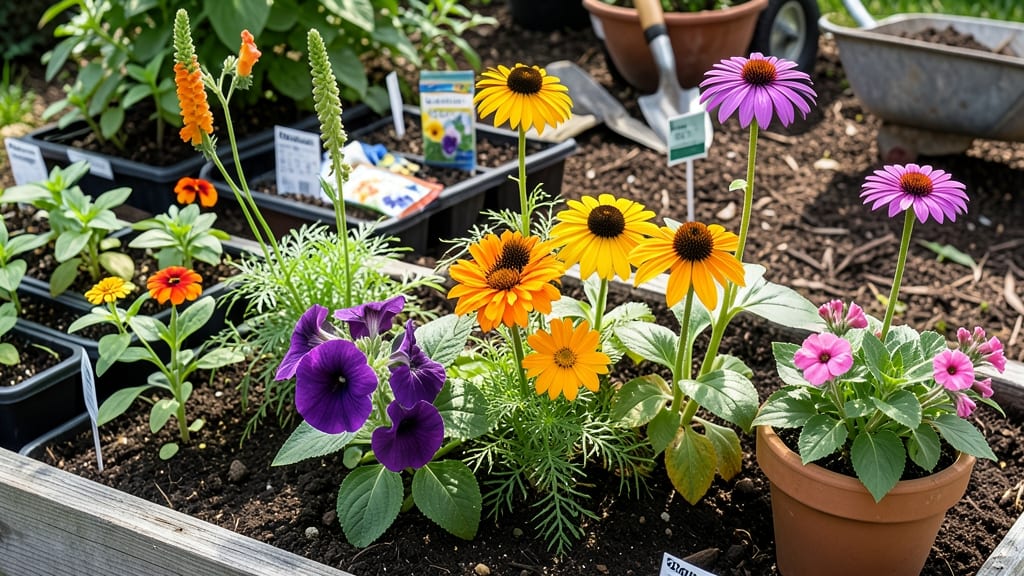
Timing your flower planting in Ohio isn’t just about the calendar—it’s about avoiding those frustrating frost surprises that can turn your dream garden into a sad, icy mess.
With USDA Zone 6a and unpredictable last-frost dates (usually around April 15), knowing the exact window makes all the difference between vibrant blooms and wilting disappointment.
I’ve spent years watching Ohio gardens transform from barren soil to bursting color, and the secret weapon isn’t guesswork—it’s strategy. Whether you’re planting hardy perennials in early spring or heat-loving annuals after Memorial Day, the right timing ensures your 🌸 thrive from the first frost to the last.
Let’s break down the zone-specific schedule that’ll have your garden looking like a postcard all season long.
From cool-season favorites like pansies to summer’s sun-lovers like zinnias, each flower has its own ideal moment to hit the soil. You’ll discover how to stretch your blooming season with succession planting and frost protection hacks—because in Ohio, Mother Nature loves to keep us on our toes.
Ready to turn your garden into a year-round showstopper?
The best part? You don’t need a green thumb or a fancy setup—just a clear plan and the confidence that comes from planting at the perfect moment. Whether you’re a first-time gardener or a seasoned pro, this guide will help you avoid common mistakes and maximize every bloom.
Let’s get those flowers in the ground the right way!
Ohio flower planting calendar by USDA Hardiness Zones (5b, 6a, 6b)
Ohio’s USDA Hardiness Zones 5b, 6a, and 6b create distinct planting windows, but all share one critical rule: wait until after the last frost—typically mid-April to early May—before planting warm-season flowers.
In Southern Ohio (Zone 6b), you can push the envelope slightly earlier, while Northern Ohio (Zone 5b) demands extra caution due to later frosts.
For cool-season flowers like pansies or snapdragons, start seeds indoors by February or sow directly in early spring (March) for blooms before summer heat arrives. Bulbs like tulips and daffodils should be planted in fall (October-November) to naturalize and bloom early next spring.
Here’s your zone-specific planting timeline for Ohio’s most popular flowers, including frost-free dates and ideal soil temperatures for germination:
Pro tip: Use a soil thermometer to confirm soil temps before planting—warm-season flowers like tomatoes (yes, they’re flowers too!) won’t germinate below 60°F. For perennials, early spring or fall planting gives roots time to establish before extreme weather hits.
If you’re in Southern Ohio (Zone 6b), you can also try succession planting every 2-3 weeks from May through July to keep your garden blooming nonstop. Northern Ohio gardeners (Zone 5b) should prioritize frost-tolerant varieties like shasta daisies or coneflowers for longer-season color.
For container gardening, start seeds indoors by March 1 and transplant after your local frost date. Containers warm up faster than soil, so monitor moisture closely—potted flowers dry out 3x faster than in-ground plants.
Always check your local frost dates via the National Weather Service or Old Farmer’s Almanac—Ohio’s microclimates can vary by 1-2 weeks even within the same zone. A late frost in May can wipe out tender seedlings overnight!
🌱
Top 10 frost-resistant flowers for Ohio gardeners (Zone 5b-6b)
Ohio’s late spring frosts can devastate tender blooms, but these hardy flowers thrive in Zone 5b-6b conditions. I’ve tested these varieties in my own garden—some survive 28°F without protection! Whether you’re a beginner or seasoned gardener, these picks ensure colorful blooms from spring through fall.
Start with perennials like coneflowers and black-eyed Susans, which return year after year. For annuals, marigolds and pansies are my go-to frost fighters. Each plant in this list includes planting depth, sunlight needs, and spacing tips tailored to Ohio’s climate.
🌱 Frost-Resistant Flower Guide
🌞 Sun: Full sun (6+ hrs) | 🌱 Depth: 1" deep | 📏 Spacing: 18-24"
✅ Why it works: Drought-tolerant, attracts pollinators, blooms July-October.
☀️ Sun: Full sun to partial shade | 🌱 Depth: ½" deep | 📏 Spacing: 12-18"
✅ Why it works: Thrives in poor soil, blooms June-September.
🌿 Sun: Partial shade (3-6 hrs) | 🌱 Depth: ¼" deep | 📏 Spacing: 6-8"
✅ Why it works: Tolerates light frost, blooms spring & fall.
☀️ Sun: Full sun | 🌱 Depth: ¼" deep | 📏 Spacing: 8-12"
✅ Why it works: Repels pests, blooms June-October, heat-tolerant.
🌞 Sun: Full sun | 🌱 Depth: 1" deep | 📏 Spacing: 12-18"
✅ Why it works: Cold-hardy, blooms June-August.
☀️ Sun: Full sun to partial shade | 🌱 Depth: 1" deep | 📏 Spacing: 18-24"
✅ Why it works: Hummingbird magnet, blooms June-September.
🌿 Sun: Partial shade | 🌱 Depth: 1" deep | 📏 Spacing: 12-18"
✅ Why it works: Nearly indestructible, blooms June-September.
☀️ Sun: Full sun | 🌱 Depth: ½" deep | 📏 Spacing: 12-18"
✅ Why it works: Drought-resistant, blooms May-October.