
Plants
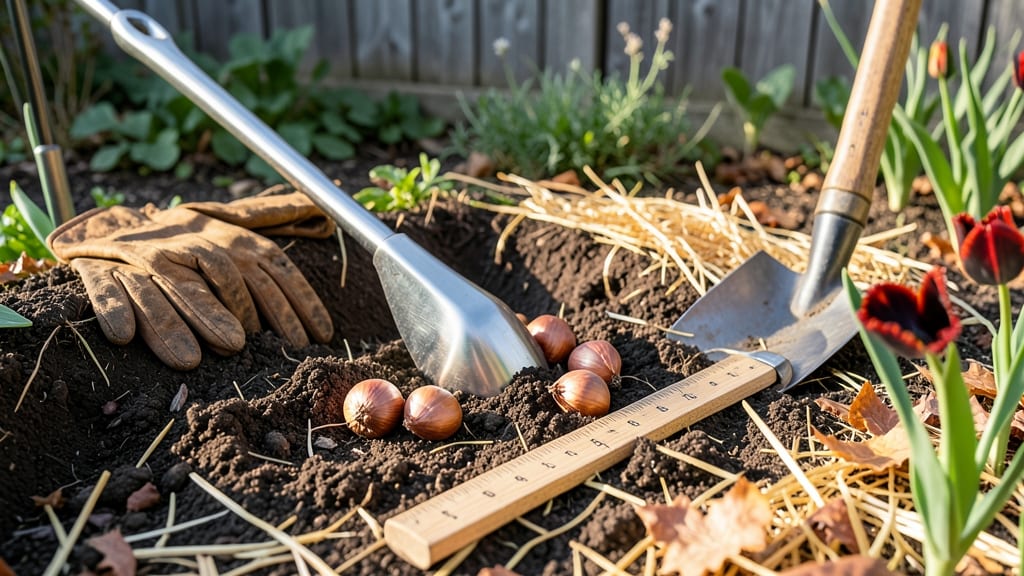
Planting tulip bulbs in Michigan at the wrong time can mean the difference between a stunning spring display of 🌷 and wasted money—because those bulbs need just the right conditions to thrive.
The key window for Michigan gardeners in zones 5b-6b is October through November, when soil temperatures drop but frost hasn’t yet set in.
Why does timing matter so much? Tulips need 6-8 weeks of cool soil to establish roots before winter dormancy kicks in. Plant too early, and they’ll rot; too late, and they won’t bloom.
I’ll walk you through the exact steps to get it right, from soil prep to frost-free depth, so your tulips wake up ready to shine next spring.
Michigan’s unpredictable fall weather adds another layer—will early frosts strike before your bulbs are settled? We’ll cover how to read your local frost dates and adjust planting schedules to match. Plus, I’ll share pro tips for soil drainage and bulb spacing that’ll make all the difference in your garden’s success.
Whether you’re a first-time gardener or a seasoned pro, these zone-specific strategies will help you avoid common mistakes and enjoy vibrant tulips year after year. Let’s get those bulbs in the ground the right way!
Michigan’s best tulip planting timeline by hardiness Zone (4-6)
Michigan’s USDA Hardiness Zones 4-6 create unique challenges for tulip planting—too early and bulbs rot in warm soil, too late and they fail to establish roots before winter. The ideal window is 4-6 weeks before ground freezes, typically October through early November.
Northern Michigan (Zone 4) has colder soils and earlier frosts, while southern Michigan (Zone 6) enjoys slightly warmer conditions. Soil temperature should be below 60°F but not frozen when planting. Use these zone-specific guidelines to maximize your tulips’ chances of blooming next spring.
🌷
| Zone | Best Planting Window | Soil Temperature | Frost-Free Depth | Key Notes |
|---|---|---|---|---|
| Zone 4 (Northern MI) | Mid-October to early November | 50-60°F | 6-8 inches | Plant before first frost (avg. Oct 15-Nov 1) |
| Zone 5 (Central MI) | Late September to mid-November | 55-65°F | 6-8 inches | Flexible window; avoid planting after Nov 15 |
| Zone 6 (Southern MI) | October to early December | 60-65°F | 6-8 inches | Can plant later but mulch heavily for winter |
For Zone 4 gardeners, mid-October is your sweet spot—soil is cool enough to prevent rot but still workable. In Zone 6, you have until early December, but mulch with 4-6 inches of straw or leaves to insulate bulbs from freeze-thaw cycles.
Use a soil thermometer to confirm temperatures—below 60°F is ideal. If your soil is warmer than 65°F, wait 1-2 weeks to avoid premature sprouting, which weakens bulbs before winter.
Michigan’s unpredictable fall weather can delay planting. If frost arrives early, plant as soon as possible—even if soil isn’t perfect. Bulbs need 6-8 weeks to establish roots before winter dormancy begins.
Pro tip: Mark your calendar for October 15—this is Michigan’s average first frost date for most areas. Planting 4-6 weeks before ensures bulbs have time to root without sprouting too early.
🌡️
In Zone 5, where most of Michigan’s population lives, late September to mid-November is your flexible window. If you miss this, wait until soil cools—even December planting can work if you mulch heavily and protect bulbs from freeze-thaw damage.
For container gardening, plant 2-4 weeks earlier than in-ground bulbs since pots cool faster. Move containers to a protected location (like a garage or under eaves) if frost threatens before bulbs are established.
Michigan’s best tulip planting timeline by hardiness Zone (4-6)
Michigan’s USDA Zones 4-6 create unique challenges for tulip planting—too early, and bulbs rot in cool, wet soil; too late, and they won’t establish roots before winter. The key is planting when soil temps drop to 40-50°F but before hard frost hits.
For most of Michigan, this window is mid-October to early November, but zone-specific adjustments matter.
Northern Michigan (Zone 4) gardeners should aim for late September to mid-October, while southern areas (Zone 6) can wait until early November. Always check your last frost date—planting 4-6 weeks before ground freezes gives bulbs time to root without sprouting prematurely.
In Michigan, this typically aligns with October’s second half.
| Zone | Ideal Planting Window | Soil Temp | Key Landmark |
|---|---|---|---|
| 4 (Northern MI) | Late September - Mid-October | 40-50°F | After daylily foliage dies back |
| 5 (Central MI) | Mid-October - Early November | 45-55°F | Before first hard frost |
| 6 (Southern MI) | Early November | 50-60°F | After pumpkin harvest |
Use soil temperature gauges or the back-of-hand test—if soil feels cool but not frozen, it’s time. For container planting, wait until November’s first week in northern zones to avoid winter moisture stress.
Always plant tulips in well-draining soil—Michigan’s clay-heavy soils often need sand or compost amendments to prevent bulb rot.
Pro tip: Mark your planting spots with flagging tape or a garden map. Michigan’s unpredictable freeze-thaw cycles can shift soil levels, making next spring’s planting spots hard to locate. I’ve lost count of how many bulbs I’ve replanted because I couldn’t find where I’d tucked them away!
For early bloomers, aim for late October planting—these varieties need extra time to establish roots. Conversely, late-season tulips can wait until early November without sacrificing bloom time. Always prioritize root development over flower buds—healthy roots mean vibrant spring blooms.
Remember, Michigan’s microclimates vary dramatically. A garden in Traverse City may freeze earlier than one in Detroit. When in doubt, err on the earlier side—tulip bulbs can handle light frost once planted, but they won’t survive deep-freeze conditions without established roots. 🌷