
Plants
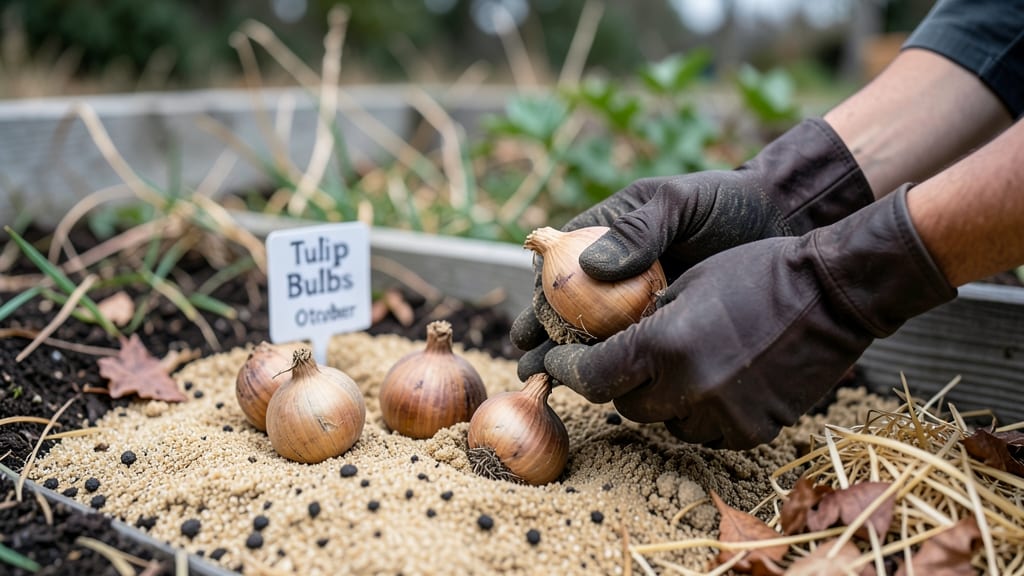
Planting tulip bulbs in Alabama isn’t just about timing—it’s about outsmarting the weather before your 🌷 blooms even think about waking up. The wrong window means soggy bulbs or frost-nipped dreams, but get it right, and you’ll have vibrant spring color that beats the state’s unpredictable shifts.
Alabama’s Zone 7B and 8A climates demand precision: too early, and bulbs rot in warm soil; too late, and winter freezes steal your show. I’ll walk you through the exact frost-free window—plus how to prep soil and adjust for North vs. South Alabama’s quirks—so your tulips thrive when others fail.
You’ll discover 5 key signs your bulbs are ready to go in, plus the 3 biggest mistakes Alabama gardeners make (and how to avoid them). Whether you’re in Birmingham’s cooler pockets or Mobile’s milder stretches, these tips ensure your tulips bloom boldly—no matter what Mother Nature throws their way.
Ready to turn your yard into a spring spectacle? Let’s dive into the perfect planting calendar and hacks to extend your tulips’ season, even in Alabama’s heat. Your garden’s about to get a lot more colorful.
Alabama tulip planting calendar: exact dates by zone 7B vs 8A
Alabama’s USDA Zones 7B and 8A create a tight window for planting tulip bulbs, where timing separates success from disappointment. In Birmingham (Zone 7B), the first frost typically arrives by November 15, while Mobile (Zone 8A) enjoys a later deadline around December 1.
This variance means your planting strategy must adapt to your exact location.
For both zones, the ideal soil temperature should be between 40°F and 50°F—this ensures bulbs establish roots without rotting in warm, wet soil. If you plant too early, bulbs may sprout prematurely and get fried by Alabama’s occasional winter heat waves.
Too late, and frost will damage emerging shoots before spring blooms.
Here’s the critical planting window broken down by zone, with actionable deadlines to guide your schedule:
| Factor | Zone 7B (Birmingham) | Zone 8A (Mobile) |
|---|---|---|
| First Frost Date | Nov 15 | Dec 1 |
| Ideal Planting Window | Nov 1–Nov 15 | Nov 15–Dec 15 |
| Soil Temp Threshold | 40°F–50°F | 40°F–50°F |
| Last Chance Planting | Nov 30 (risky) | Dec 20 (risky) |
| Key Adjustment | Use mulch for frost protection | Prioritize drainage in warm soil |
In Zone 7B, I recommend planting by November 15 to avoid early frosts that can damage bulbs. For Zone 8A, you have a slightly longer window—up to December 15—but monitor soil moisture closely.
Alabama’s unpredictable weather means a late November heatwave can turn your garden into a sauna, so always check soil temps before planting.
Pro tip: Use a soil thermometer to verify conditions. If your soil is still above 50°F in early November, wait a week or two. Patience now means vibrant blooms next spring, not wilted disappointment.
For gardeners in transition zones (e.g., near the Tennessee border), err on the earlier side. A 3-inch layer of straw mulch after planting adds an extra 5°F of frost protection, buying you a few critical days if late frosts threaten.
Remember, tulip bulbs need chill hours to bloom. Alabama’s winters rarely provide enough natural chilling, so pre-chilling bulbs for 8–12 weeks in a cool, dark place (like a fridge) mimics winter conditions and ensures robust growth.
If you miss the fall window, don’t despair—container gardening lets you plant bulbs in late winter (February) and force blooms indoors. Just place pots in a garage or basement for 6–8 weeks before moving them outside in spring.
Finally, choose hardy varieties like ‘Darwin Hybrid’ tulips, which tolerate Alabama’s heat better than delicate species. Pair them with alliums or daffodils to deter squirrels, a common pest in Alabama gardens.
With these dates and tips, your tulips will thrive despite Alabama’s quirks—just don’t wait until January! 🌷
5 Signs your Alabama tulip bulbs are ready to plant (and 3 mistakes to avoid)
Alabama’s fall temperatures can trick even experienced gardeners—bulbs that look perfect in October might rot if planted too soon. The key is bulb firmness and soil readiness, not just calendar dates.
I’ve learned the hard way that Zone 7B’s early frosts can catch late plantings off guard, so timing matters more than you’d think.
Start by checking your tulip bulb condition. Healthy bulbs should feel firm but slightly yielding, like a ripe avocado—not mushy or shriveled. If you see green shoots emerging, plant immediately, as they’ll grow faster in warm soil.
Store bulbs in a cool, dark place (like a garage) until soil temps drop below 60°F.
Here’s the critical