
Plants
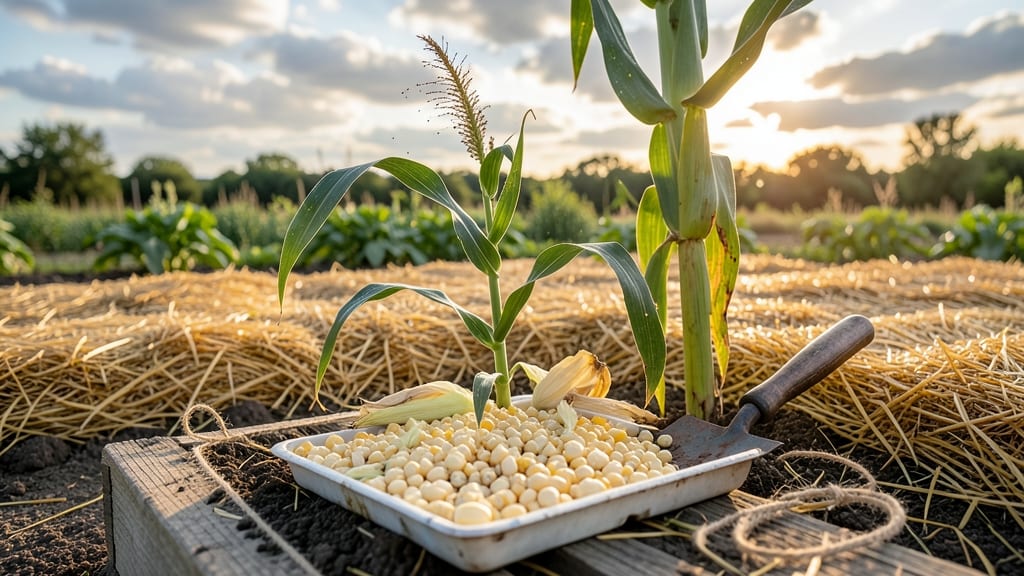
Timing your 🌽 corn planting in Northeast Ohio can feel like a high-stakes game of chance—get it wrong, and you might end up with stunted plants or wasted seeds.
But with the right soil temperature triggers and local climate insights, you can turn that guesswork into a foolproof strategy for a thriving harvest.
Here’s the key: corn thrives when soil temperatures consistently hit 50°F or warmer at least 1 inch deep, usually around mid-April to early June in Zone 6a. That window aligns perfectly with Northeast Ohio’s frost-free season, giving your plants the 60-90 days they need to mature before the first frost hits in October.
Why does this matter? Planting too early risks cold soil and slow germination, while waiting too long cuts your harvest short.
I’ll break down exactly how to read your soil’s signals, adjust for microclimates (like urban heat islands or lake-effect zones), and pick the best corn varieties for your late-season planting.
Ready to stop second-guessing and start growing? Let’s dive into the science-backed steps to plant your corn at the perfect moment—so you’re enjoying fresh ears by late summer, not scrambling to salvage a failed crop.
Northeast Ohio corn planting dates: exact soil temperature triggers
Timing your corn planting in Northeast Ohio isn’t just about dates—it’s about soil temperature. Corn seeds need consistent warmth to germinate, and waiting for the right moment prevents cold-soaked seeds.
The Ohio State University Extension recommends planting when soil temps hit 50°F (10°C) for 1-2 weeks, but true germination magic happens at 60°F (15°C) or above.
In Zone 5b/6a, our last spring frost typically occurs around April 15, but don’t rush—corn planted too early in cold soil will rot. Use a soil thermometer (just $10 at garden centers) to check temps at 1-inch depth in the morning.
If you’re impatient, opt for short-season varieties that tolerate cooler soils better.
Here’s the golden window for planting: mid-April to early June. Early plantings (April) risk frost damage, while June plantings may not mature before fall frost. The sweet spot? Late April to mid-May, when soil is reliably warm and frost risk drops below 10%.
| Stage | Action | Soil Temp | Frost Risk |
|---|---|---|---|
| Soil Prep | Add compost, till 6-8 inches deep | 45°F+ | High (March-April) |
| Planting | Sow seeds 1-1.5" deep, 4" apart | 50°F+ (60°F ideal) | Moderate (April-May) |
| Germination | Keep soil moist, protect from frost | 60°F+ | Low (May-June) |
| Harvest | Pick when silks brown, kernels milky | N/A | Low (July-Oct) |
🌱 Pro Tip: Use black plastic mulch to warm soil faster by 5-10°F.
Don’t let late frosts catch you off guard—monitor the NOAA 7-Day Frost Probability for your county. For example, Cleveland’s frost risk drops below 20% by May 1, while Youngstown’s lags until May 10.
Planting too early in Lake Erie zones can mean soggy seeds due to delayed warming near water.
If you miss the ideal window, consider succession planting with fast-maturing varieties like 'Early Sunglow', which can go from seed to harvest in 65 days. For a second crop, plant in early June—just ensure you’ll harvest before the first frost (Oct 15).
Use a planting calendar from your local Ohio State Extension office for hyper-local advice.
One common mistake? Planting by the moon phases instead of soil temps. Corn cares more about heat than lunar cycles. Instead, focus on consistent moisture after planting—water lightly until germination (about 7-14 days), then increase to 1-2 inches per week once sprouted.
For urban gardeners in cities like Akron or Canton, microclimates can shift planting by 1-2 weeks. South-facing walls or rooftop gardens may warm up faster, while shaded areas stay colder. Test your spot with a soil thermometer for 3 consecutive days before committing to seeds.
Remember: Corn is a heavy feeder, so amend soil with compost or aged manure 2-3 weeks before planting. If your soil tests low in phosphorus, add bone meal at planting time to boost root growth. Ohio’s clay-heavy soils benefit from raised beds or hill planting to improve drainage.
Finally, keep an eye on weather forecasts for heatwaves—corn can bolt (go to seed prematurely) if stressed by heat. If temps hit 90°F+ early in the season, provide shade cloth until plants establish deeper roots.
With the right timing, you’ll go from seed to silks in 60-75 days—just in time for summer grilling!
How to adjust corn planting for Northeast Ohio’s microclimates
Northeast Ohio’s varied landscapes—from urban heat islands to rural lake-effect zones—create microclimates that can shift planting windows by weeks. In cities like Cleveland, concrete and asphalt warm soil faster, while lake shores near Erie stay cooler longer. These differences mean your neighbor’s perfect timing might fail in your backyard.
To fine-tune your planting schedule, check NOAA’s Local Climate Data (like Cleveland’s Zone 6a averages) and adjust for your specific spot. Urban gardens often allow 2-3 weeks earlier planting than rural areas, while lake-effect zones may need a 10-day delay to avoid late frosts.
Always verify soil temps with a soil thermometer—it’s the only true guide.
🌡️ Microclimate Adjustments for Northeast Ohio Corn Planting
| Microclimate Type | Adjustment Window | Key Factors |
|---|---|---|
| Urban Heat Islands | Plant 2-3 weeks earlier | Asphalt/concrete warms soil faster |
| Rural Farmland | Follow standard Zone 6a dates | Moderate temps, typical frost patterns |
| Lake-Effect Zones | Delay by 10-14 days | Cooler air/water delays soil warming |
| South-Facing Slopes | Plant 1 week earlier | Extra sunlight accelerates warming |
🌱 Pro Tip: Use a soil thermometer to confirm 50°F+ at 1" depth before planting.
For urban gardeners, consider black plastic mulch to warm soil faster—this can push planting dates back by 1-2 weeks compared to bare soil. Meanwhile, lake-effect growers should prioritize short-season varieties (like 'Early Sunglow') to compensate for delayed starts.
Always monitor weekly frost forecasts from the National Weather Service—a late frost in early May can devastate early plantings.
If you’re unsure about your microclimate, try a test planting in late April with row covers. This lets you observe how quickly your soil warms and adjust future years accordingly. Remember: Corn hates cold soil—even if air temps rise, roots need consistent warmth to thrive.
Another trick? Plant different varieties in staggered rows. For example, sow 'Silver Queen' (70 days) in early May and 'Ambrosia' (90 days) in late May. This spreads your harvest window and reduces risk if one planting fails due to microclimate quirks.
Always keep a planting journal to track what works each year!
Finally, watch for local agricultural extension updates—Ohio State University’s Master Gardener Program often releases region-specific planting guides after winter. Their data can help you outpace unpredictable microclimates and maximize your corn yield.