
Companion Plants
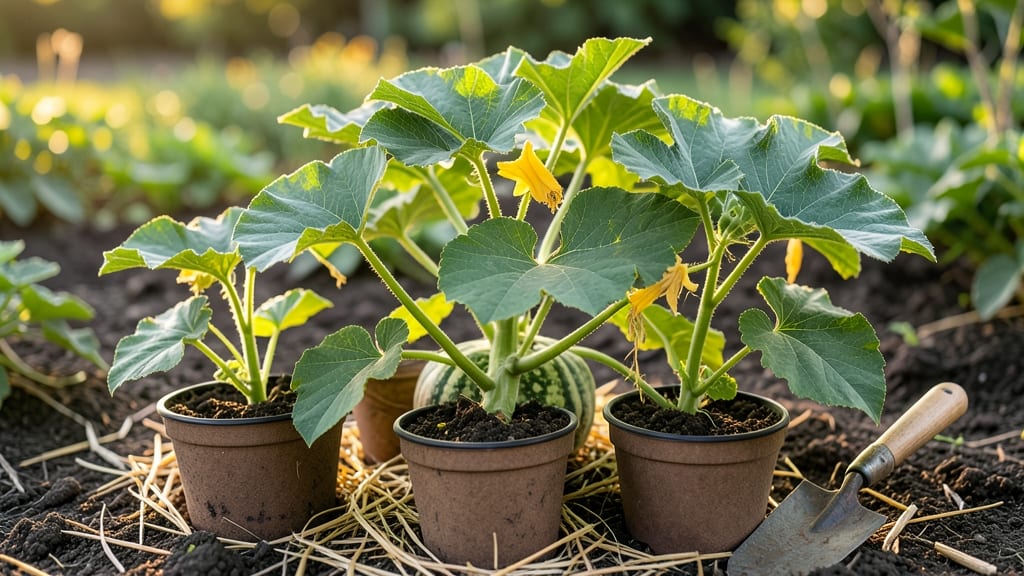
Planting pumpkins in Michigan isn’t just about tossing seeds into the dirt—it’s about timing them perfectly to beat the 5b-6b zone’s unpredictable frost. Miss the window, and your 🎃 dreams could shrivel before Halloween. But with the right strategy, you’ll grow pumpkins that thrive from June’s warmth through October’s harvest.
Michigan’s short growing season means you’ve got just 150-180 frost-free days to work with, so knowing when to plant is everything. Whether you’re starting seeds indoors or sowing directly after the last frost (usually mid-to-late May), the key is warmth—not just in the air, but in the soil.
Aim for 70°F+ to kickstart those vines.
You’ve got options: direct-sow seeds in hills after Memorial Day or transplant sturdy seedlings in early June. Compact varieties like ‘Jack Be Little’ or ‘Sugar Pie’ are perfect for Michigan gardens, while vining types need more space. The goal? Pumpkins that mature before the first frost hits in October.
Ready to grow? I’ll walk you through the exact timeline, soil prep, and variety picks to turn your Michigan plot into a pumpkin patch. Let’s get those seeds in the ground at the perfect moment.
Michigan pumpkin planting timeline: zone 6A frost dates & soil prep
Michigan’s Zone 6A climate means pumpkins need precise timing to thrive—plant too early, and frost will nip tender seedlings. Too late, and your 90-day harvest window shrinks faster than autumn leaves.
The key is waiting until soil temperatures hit 70°F and the last frost has passed, typically mid-to-late May in most regions.
Northern Michigan (e.g., Traverse City) often waits until late May or early June, while southern areas (e.g., Detroit) can start as early as mid-May. Use a soil thermometer to confirm readiness—pumpkin seeds won’t germinate below 60°F, but they’ll rot in cold, wet soil.
Aim for 6-8 hours of sunlight daily in your chosen spot.
| Stage | Action | Michigan Timing |
|---|---|---|
| Soil Prep | Test pH (6.0-7.0), add compost | April-May |
| Last Frost | Wait 2 weeks after | Mid-May to late May |
| Direct Sowing | 1" deep, hills 4-6 ft apart | Late May-June |
| Transplant Seedlings | Hardened-off plants, 2-3 per hill | June (after soil warms) |
| Harvest Window | Rind hard, stem dried | September-October |
For northern Michigan gardeners, consider starting seeds indoors in March under grow lights, then transplant after the last frost. Southern Michigan growers can direct-sow as early as May 15 if soil temperatures are stable.
Always choose fast-maturing varieties like 'Jack Be Little' (75 days) or 'Howden' (85 days) to beat Michigan’s early frosts.
Pro tip: Use black plastic mulch to warm soil faster and suppress weeds. This can shave 1-2 weeks off your planting timeline by creating a microclimate. Just remove it after harvest to return nutrients to the soil.
Pair this with drip irrigation to maintain consistent moisture—pumpkins need 1-2 inches of water weekly during fruiting.
If you’re planting for Halloween displays, prioritize smaller varieties like 'Cinderella' (80 days) or 'Waltham Butternut' (90 days). These mature faster than giant pumpkins and are less vulnerable to Michigan’s late-summer heat waves or early frosts.
Always mark your planting spots with stakes or flags—pumpkin vines can sprawl 15-30 feet, making them easy to lose in a garden.
Watch for soil temperature fluctuations in Michigan’s spring. A sudden cold snap can stall germination. If nights dip below 50°F, use row covers to protect young seedlings until they’re established. This is especially critical in northern Michigan counties like Mackinac or Alger, where frosts linger longer.
For second-crop pumpkins, try succession planting in early July for a late-season harvest. Choose shorter-day varieties like 'Autumn Gold' (90 days) to ensure maturity before the first frost. Just be prepared to harvest quickly—Michigan’s first frosts often arrive by mid-October.
Remember: Pumpkins need space. Allocate at least 100 square feet per plant for vining types, or 25 square feet for bush varieties. In small gardens, opt for container-growing with 5-gallon pots—just ensure pots have drainage holes and you’re using lightweight potting mix.
This works well for balcony gardens in Detroit or urban farms in Grand Rapids.
Finally, test your soil before planting. Michigan’s clay-heavy soils in areas like Kalamazoo or Saginaw benefit from compost amendments to improve drainage. Aim for 6.0-7.0 pH—pumpkins thrive in slightly acidic to neutral soil.
If your soil tests high in phosphorus, reduce fertilizer applications to avoid blossom-end rot in developing pumpkins.
5 Key factors that determine your Michigan pumpkin planting success
Pumpkins thrive in Michigan’s Zone 6A when you account for five critical factors: variety selection, transplant timing, soil warmth, space requirements, and companion planting. Skipping any of these can turn your pumpkin patch into a flop.
For example, giant varieties like ‘Atlantic Giant’ need 120 days to mature—far too long for Michigan’s short season unless you start seeds indoors by April 15.
Compact varieties such as ‘Jack Be Little’ or ‘Sugar Pie’ are ideal—they mature in 75-90 days and fit neatly into Michigan’s 150-180 frost-free days. These bushier types also save space, letting you grow more pumpkins in a small backyard.
If you’re aiming for traditional jack-o’-lanterns, ‘Howden’ is a reliable choice, maturing in about 90 days and handling Michigan’s humid summers well.
Transplanting seedlings is a smart move for Michigan gardeners. Start seeds indoors 4-6 weeks before your last frost date (usually mid-May), then harden them off and move them outside after Memorial Day.
Seedlings should have 2-3 true leaves before transplanting to give them a head start against Michigan’s cool springs. Avoid transplanting too early—cold soil slows growth and invites disease.
Soil temperature is non-negotiable. Pumpkin seeds won’t germinate until the soil reaches 70°F. Use a soil thermometer to check—if it’s below 65°F, wait. In Michigan, this often means waiting until late May or early June.
Warm the soil faster by using black plastic mulch or planting near a south-facing fence that absorbs heat. Pro tip: Mix in compost to improve drainage and fertility, which pumpkins crave.
Space is another dealbreaker. Vining pumpkins spread 15-30 feet, while compact varieties need just 3-5 feet of space. In Michigan’s smaller gardens, use hill planting: mound soil into hills 4-6 feet apart, place 3-4 seeds per hill, and thin to the strongest plant.
This method also improves drainage, reducing the risk of blossom-end rot that Michigan’s variable rainfall can trigger.
Companion plants boost your pumpkin’s success. Pair them with marigolds to repel pests like squash bugs, or bush beans to fix nitrogen in the soil. Avoid planting near potatoes or fennel, which stunt pumpkin growth.
In Michigan’s humid climate, interplanting with nasturtiums can also deter aphids. Rotate crops yearly to prevent soil-borne diseases from lingering.
Finally, succession planting extends your harvest. If you miss the ideal window, try a late-July planting for smaller pumpkins that mature before frost. Use row covers to protect young plants from unexpected late-spring frosts, which Michigan is famous for.
With these factors locked in, your pumpkins will thrive—no matter how unpredictable Michigan’s weather gets.