
Planting
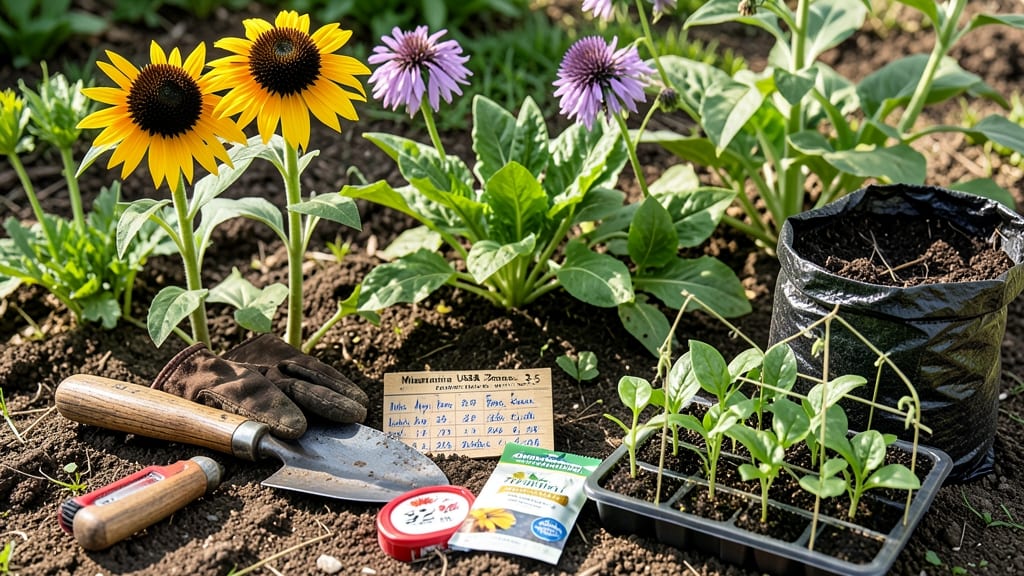
Timing your garden planting in Minnesota isn't just about luck—it's about knowing when to plant a garden to beat the frost and maximize your harvest.
With Zone 4A-5B winters that can linger well into May, getting those seeds in the ground at the right moment makes all the difference between a bountiful harvest and a sad, frost-killed disappointment.
I've learned the hard way that Minnesota's short growing season demands precision. Whether you're in the Twin Cities or up in the Iron Range, understanding your last frost dates and hardiness zone is the key to success.
The right timing means cool-season crops like spinach get planted early, while tomatoes and peppers wait until the soil warms up—usually around mid-May in most areas.
But here's the thing: even with average frost dates, Mother Nature doesn't always follow the script. That's why I'll show you how to adjust your planting schedule based on real-time conditions, using row covers and other tricks to extend your season.
Let's dive into the exact timeline you need to make your Minnesota garden thrive.
From starting seeds indoors to direct sowing in the garden, you'll discover the perfect planting windows for every vegetable, flower, and herb. By the end, you'll know exactly when to plant each crop—and how to protect them if late frosts sneak in. Your future harvest depends on getting this right!
Minnesota planting timeline by zone 4A-5B: key dates for vegetables, flowers, and herbs
Minnesota’s USDA Zones 4A-5B create a short but productive growing window, where last frost dates shift dramatically between northern and southern regions. In Zone 4A (northern MN), average last frost dates hover around May 15-20, while Zone 5B (southern MN) sees frost-free conditions by May 1-10.
These differences mean planting windows vary by 2-3 weeks, so knowing your exact zone is critical.
For cool-season crops like peas, spinach, and kale, you can start as early as late March to early April indoors or mid-April outdoors in southern MN.
Meanwhile, warm-season crops such as tomatoes, peppers, and cucumbers need to wait until after the last frost—typically late May to early June—and often require indoor starts 6-8 weeks before transplanting.
Frost-sensitive plants like basil, squash, and beans demand extra caution. Even a light frost (28°F) can kill young seedlings, so always check local frost forecasts from the MN State Climatology Office or University of Minnesota Extension for real-time updates.
| Plant Type | Zone 4A (Northern MN) | Zone 5B (Southern MN) | Key Notes |
|---|---|---|---|
| Cool-Season Crops (Peas, Spinach, Lettuce) | Direct sow April 15-May 1 | Direct sow March 20-April 15 | Tolerates light frost; succession plant every 2 weeks. |
| Warm-Season Crops (Tomatoes, Peppers, Cucumbers) | Start indoors March 15-April 1; transplant May 25-June 10 | Start indoors March 1-April 15; transplant May 10-May 25 | Use row covers for early starts; soil must be 50°F+. |
| Flowers (Marigolds, Zinnias, Sunflowers) | Direct sow May 10-June 1 | Direct sow April 20-May 15 | Hardy annuals thrive in MN’s short season; deadhead for longer blooms. |
| Herbs (Basil, Dill, Parsley) | Start indoors April 1-May 1; transplant May 30-June 15 | Start indoors March 15-April 15; transplant May 15-May 30 | Basil is frost-sensitive; harvest leaves to encourage bushiness. |
| Fall Planting (Kale, Radishes, Carrots) | Direct sow July 15-August 15 | Direct sow July 1-August 10 | Avoid planting too late; harvest before first frost (Sept-Oct). |
Microclimates in Minnesota—like urban heat islands or protected garden spots—can shift your planting window by 1-2 weeks. For example, a south-facing garden may warm up faster than a shaded or windy area.
Always test your soil temperature with a soil thermometer; most vegetables prefer 50-60°F soil for optimal germination.
For perennial plants like asparagus, rhubarb, and strawberries, timing matters too. Plant asparagus crowns in early spring (April) so they establish roots before summer heat, while strawberries thrive when set out in early May after the last frost risk has passed.
Pro tip: Use frost cloth or row covers to extend your season by 2-4 weeks. These lightweight fabrics protect seedlings from light frosts (28-32°F) and can even allow you to plant cool-season crops 3-4 weeks earlier in spring or 2-3 weeks later in fall.
Always double-check local frost dates from trusted sources like the MN State Climatology Office or your county extension office, as microclimates and weather patterns can vary significantly even within the same zone. For instance, Duluth (Zone 4A) may have frost until June
How to adjust planting dates for early or late frost years in Minnesota
Minnesota’s unpredictable weather can throw off even the most carefully planned garden schedule. A late spring frost in May or an early fall freeze in September can devastate tender seedlings if you’re not prepared.
The key to success? Flexibility and proactive strategies to protect your plants when Mother Nature doesn’t cooperate.
Start by tracking local frost data using resources like the MN State Climatology Office or your county’s University of Minnesota Extension office. These tools provide real-time updates on frost risks, helping you adjust planting windows for warm-season crops like tomatoes and peppers—plants that can’t handle even light frost.
For Zone 4A gardeners in northern Minnesota, where frosts linger later into spring, consider using row covers or cold frames to extend your planting window by 2-3 weeks.
These protective barriers trap heat and shield young plants from 28°F temperatures, allowing you to plant cold-hardy greens like spinach or kale as early as late April.
⚠️ Frost Warning: Protect Your Plants!
Never plant frost-sensitive crops like tomatoes or peppers until after your last frost date—typically May 15 in southern MN and June 1 in the north. Use frost cloths or black plastic mulch to warm soil faster and shield seedlings from 32°F+ frosts.
If an early frost threatens in late summer, opt for fast-maturing varieties or succession planting. For example, sow bush beans every 2 weeks from June through July to ensure a steady harvest before the first frost.
You can also try container gardening—pots can be moved indoors or under cover when temperatures drop.
For Zone 5B gardeners in southern Minnesota, where summers are slightly longer, focus on fall planting strategies. Start cool-season crops like broccoli or carrots indoors in July and transplant them outdoors in August.
These plants thrive in cooler weather and can often be harvested before the first hard frost in mid-October.
Finally, keep a garden journal to note when you adjust planting dates each year. Over time, you’ll spot patterns in your local microclimate—like a sheltered spot that warms up faster—and refine your schedule for maximum success. With these strategies, you’ll turn Minnesota’s unpredictable weather into an opportunity, not a challenge!