
Plants
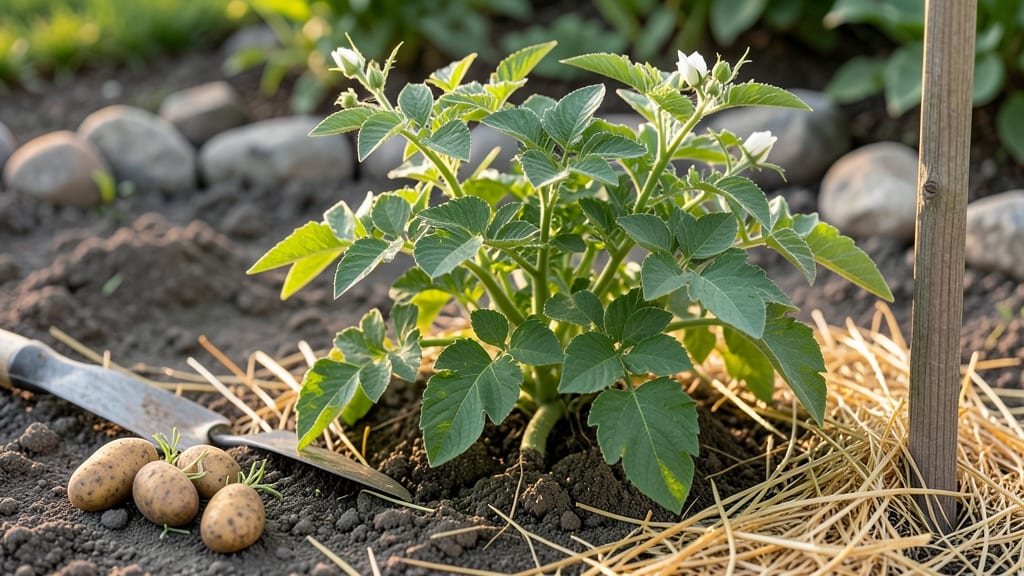
When do you plant potatoes in Colorado? Timing your 🥔 planting isn’t just about the calendar—it’s about surviving the unpredictable frosts that can turn your hard work into a frozen disappointment. Whether you’re gardening in Denver’s 5b zone or the high plains’ 4a chill, planting too early risks frost damage, while waiting too late cuts your harvest short.
Most Colorado gardeners aim for mid-April to mid-May, but that window shifts dramatically with elevation. At 5,000 feet, you might plant in early April, while highland zones (8,000+ feet) often wait until late May—when the soil finally warms to 45°F and the last frost has passed.
In this guide, I’ll break down the exact planting schedule for your region, including soil prep tips and frost-proofing tricks. We’ll also cover the best potato varieties for Colorado’s climate—whether you’re growing early-season Yukon Golds or long-season Russets that need extra time to mature.
Ready to avoid the common mistakes that waste years of gardening effort? Let’s get your potatoes in the ground at the perfect moment—no guesswork, just results. Your harvest depends on it.
Colorado potato planting dates by elevation zone (frost-free timeline)
Colorado’s dramatic elevation changes—from the Front Range to the Rocky Mountains—mean your potato planting schedule should shift with the altitude. At 3,000–5,000 feet, like Denver or Fort Collins, you’ll plant 4–6 weeks before your last frost date, typically mid-April to early May.
But at 8,000+ feet, like Aspen or Leadville, wait until late May to early June to avoid frost damage. Soil temperature is your best guide: aim for 45°F or warmer at planting depth.
Highland growers face shorter seasons, so focus on early-maturing varieties like ‘Yukon Gold’ or ‘Red LaSoda’. In lower elevations, you can stretch the season with late varieties like ‘Russet Burbank’, planting as late as mid-June for a fall harvest.
Always check local frost averages—Colorado State University Extension provides zone-specific data to refine your timing.
Here’s how to match your elevation to the perfect planting window:
For Western Slope areas like Grand Junction, your last frost often arrives 2–3 weeks earlier than the Front Range, so adjust planting to late March to early April. Use black plastic mulch to warm soil faster in these zones.
Always test soil temperature with a soil thermometer—potatoes won’t sprout below 45°F, even if frost risk is low.
Pro tip: In highland zones, plant seed potatoes in containers to move them indoors if late frosts threaten. This extends your growing season by 3–4 weeks compared to in-ground planting. Pair containers with a grow light to supplement Colorado’s shorter daylight hours in early spring.
Soil prep is just as critical as timing. Work in compost or aged manure 2–3 weeks before planting to boost fertility. Aim for pH 5.0–6.5—Colorado’s alkaline soils often need sulfur amendments to reach this range.
Test your soil with a home kit or send a sample to the Colorado State University Soil Lab for precise adjustments.
If you’re planting organic potatoes, avoid synthetic fertilizers and use compost tea or fish emulsion for nitrogen. Organic matter improves soil structure, helping tubers resist scab disease, a common issue in Colorado’s dry climates.
Mulch with straw or grass clippings to retain moisture and suppress weeds—critical in the high plains where drought is common.
For a second harvest, try late planting in June with fast-maturing varieties like ‘Early Rose’. Hill soil around stems every 2–3 weeks to prevent greening (toxic solanine buildup) and encourage larger tubers.
In lowland zones, you can even plant a fall crop in early August for harvest before first frost.
Track your local frost dates using the National Weather Service or Old Farmer’s Almanac. In Colorado, microclimates can vary by 1–2 weeks even within a city—plant a test row of fast-maturing potatoes to gauge your exact last frost date.
How to adjust planting for Colorado’s unpredictable weather patterns
Colorado’s weather can shift dramatically, even within a single growing season. Late spring frosts in May or unexpected heatwaves in June can derail your potato crop if you’re not prepared. The key is flexibility—adjusting your planting strategy based on microclimates and historical frost data for your specific area.
For example, gardeners in Denver (Zone 5b) might experience a last frost around May 15, while those in Grand Junction (Zone 6a) could plant as early as April 1. Always check the Colorado State University Extension frost maps or local weather stations for real-time updates before planting.
Here’s how I protect my potatoes from Colorado’s whims: I use floating row covers for early plantings to shield tender sprouts from late frosts. These lightweight fabrics (like Agribon) let sunlight through while trapping heat—perfect for highland zones where nights can still dip below 32°F in May.
Another trick? Stagger your planting by 2–3 weeks. Start with early-maturing varieties (like ‘Yukon Gold’) in late April, then add mid-season types (such as ‘Red LaSoda’) in early May. This spreads out your harvest and reduces risk if one batch fails due to weather.
If you’re gardening above 7,000 feet, consider cold-hardy varieties like ‘Chieftain’ or ‘Kennebec’, which tolerate cooler soils better than standard potatoes. I’ve also had success with black plastic mulch to warm the soil faster—a game-changer for short growing seasons.
Watch for signs of stress: Wilting foliage after a cold snap? That’s your cue to cover plants immediately. And if a heatwave hits early, shade cloth can prevent soil from drying out too quickly, which stunts tuber growth.
Pro tip: Keep a garden journal to track your local frost dates and weather patterns. Over time, you’ll spot trends—like whether your area tends toward early frosts or late snowfalls—and fine-tune your schedule accordingly. 🌱
⚠️ Late Frost Warning: Don’t Skip Soil Prep!
Even if you plant early, cold soil can delay sprouting. Test your soil temperature—potatoes need it to reach 45°F+ before planting. Use a soil thermometer or wait until after May 1 in most Colorado zones to avoid stunted growth.
High-altitude tip: If your soil stays chilly, try warming it with black plastic for 2–3 weeks before planting.
For highland gardeners, container growing is another option. Pots warm up faster and can be moved to protected microclimates (like near a south-facing wall) if frost threatens. Just ensure containers have drainage holes to prevent waterlogged tubers.
Finally, don’t forget to monitor your plants daily during Colorado’s transition months. A quick check for frost damage (blackened leaves) or heat stress (yellowing edges) lets you act fast.
With the right adjustments, you can turn Colorado’s unpredictable weather into an advantage—yielding a bountiful potato harvest even in tricky conditions. ✂️