
Companion Plants
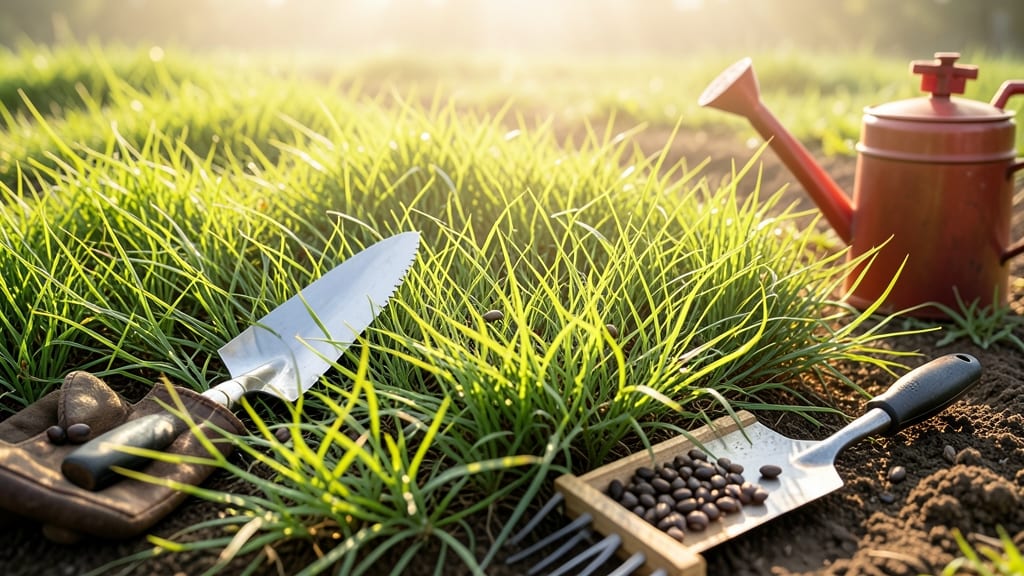
Planting your Bermuda grass seed 🌱 at the wrong time in Texas can turn your dream of a thick, green lawn into a frustrating wait. The key to fast establishment isn't just throwing seed on the ground—it's knowing the exact window when soil and weather align for success.
For Texas homeowners in zones 8a-10b, the ideal planting window stretches from late spring to early summer, but timing varies by region.
Whether you're in North Texas or South Texas, waiting until soil temperatures hit 65°F makes all the difference between seed that sprouts and seed that just sits there.
I'll break down the best months by region, share soil prep secrets, and reveal the common mistakes that kill seedlings before they even start. By the end, you'll know exactly when to plant for a lawn that takes off fast—no guesswork, just results.
Ready to transform your bare patches into a vibrant carpet of grass? Let's get started with the best planting schedule for your corner of Texas.
Best months to plant Bermuda grass seed in Texas by region
Texas’s diverse climate means Bermuda grass seed planting times vary dramatically from North Texas to South Texas. The key is planting when soil temperatures hit 65°F or higher—too early, and seeds rot; too late, and summer heat stunts germination.
Let’s break it down by region so you can plant with confidence.
For North Texas (Dallas/Fort Worth), aim for late April to early June. This region’s cooler springs delay soil warming, so wait until daytime temps consistently stay above 75°F.
In Central Texas (Austin/San Antonio), shift your window to mid-April to early June, as warmer microclimates push germination earlier.
South Texas (Houston/Corpus Christi) offers the longest window—March through early July—thanks to its subtropical climate. Meanwhile, West Texas (Lubbock/El Paso) demands patience: plant late May to early July when extreme heat has peaked and soil moisture lingers.
🌱
| Region | Best Planting Window | Soil Temp Threshold | Key Consideration |
|---|---|---|---|
| North Texas (Dallas/Fort Worth) | Late April – Early June | 65°F+ (daytime 75°F+) | Wait for last frost (Feb 15) + stable warmth |
| Central Texas (Austin/San Antonio) | Mid-April – Early June | 65°F+ (daytime 80°F+) | Caliche soil needs deep tilling for moisture retention |
| South Texas (Houston/Corpus Christi) | March – Early July | 65°F+ (humidity >50%) | Watch for fungal risks in prolonged wet springs |
| West Texas (Lubbock/El Paso) | Late May – Early July | 70°F+ (nighttime 60°F+) | Irrigation critical—drought stress kills seedlings |
Microclimates play a huge role in Texas. For example, hill country elevations (like Fredericksburg) may need a 2-week delay compared to valley areas. Always test soil depth—topsoil can be 10°F warmer than 2 inches down, tricking you into planting too early.
Pro tip: Use a soil thermometer ($10 at garden centers) to verify temps. Bury it 2 inches deep for 3 days—consistent readings above 65°F signal go-time. If temps spike above 90°F, delay planting until evening shade cools the soil.
In South Texas, August replanting is possible if you’ve established shade cloth (30-50% coverage) to protect seedlings from relentless sun. North Texas gardeners should avoid planting after June 15, as summer’s intensity reduces germination rates by 40%.
🌡️
Regional rainfall patterns also matter. In West Texas, deep watering every 3-4 days is non-negotiable post-planting. Meanwhile, East Texas may need drainage adjustments—Bermuda grass hates soggy roots. Always amend clay-heavy soils with compost or sand (50/50 mix) to improve aeration.
Finally, seed variety tweaks timing slightly. Common Bermuda (fast-spreading) can handle earlier planting, while Tifway 419 (dwarf type) needs warmer soils (70°F+). Check the seed packet for regional recommendations—some brands even list Texas-specific planting zones.
How to prepare your soil and lawn for Bermuda grass seed success
Preparing your Texas soil for Bermuda grass seed is half the battle—skipping this step can leave your seeds struggling in the heat. Start by testing your soil pH with a kit from your local garden center.
Bermuda thrives in slightly acidic to neutral soil (6.0-7.0 pH), so you may need to amend with lime if your soil is too acidic.
Once you’ve adjusted the pH level, clear the area of existing weeds or grass using a non-selective herbicide like glyphosate. Wait 7-10 days for the herbicide to break down before planting. This ensures no chemical residue harms your new seeds.
Tilling depth is critical—aim for 3-4 inches deep to loosen compacted soil and create a seed-friendly bed. Use a rototiller set to the right depth, then rake the area smooth to eliminate clumps. This step improves water drainage and root penetration, both essential for Bermuda grass establishment in Texas’s intense heat.
Step-by-Step Soil Prep for Bermuda Grass
- Test soil pH (aim for 6.0-7.0) 🌱
- Apply herbicide to kill weeds (wait 7-10 days) ✂️
- Till soil 3-4 inches deep for loose, aerated bed 🪴
- Rake smooth and remove debris for even seed contact 🌿
- Add compost (1 inch layer) for nutrients before seeding 💧
- Lightly fertilize with starter fertilizer (16-4-8 NPK) ☀️
After tilling, spread a 1-inch layer of compost over the area to enrich the soil with organic matter. This boosts nutrient availability and helps retain moisture during the critical germination phase.
For extra insurance, apply a starter fertilizer with a 16-4-8 NPK ratio—this provides the phosphorus and potassium needed for strong root development.
Finally, create a fine seedbed by raking the area lightly to ensure seeds make consistent contact with the soil. Bermuda grass seeds are tiny, so avoid over-raking, which can bury them too deep.
Aim for a light dusting of soil over the seeds—just enough to hold them in place without suffocating them.
With your soil prepped, you’re ready to sow your Bermuda grass seed at the perfect time for your Texas region. The next step? Watering lightly but frequently to keep the soil consistently moist until germination (usually 7-14 days).