
Plants
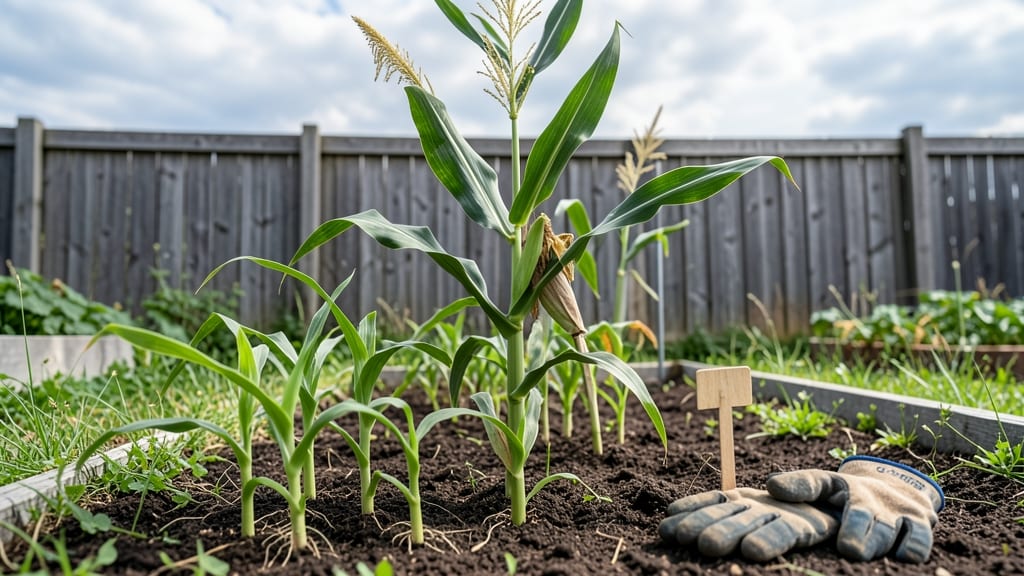
Timing your 🌽 corn planting in East Texas just right could make or break your harvest—get it wrong, and you might end up with stunted plants or wasted seeds.
The mid-April to early May window isn’t just a suggestion; it’s the sweet spot where soil temperatures finally cooperate, and the last frost threat fades away.
Here in USDA Zone 8a, where summers hit hard and humidity lingers, planting too early risks frost damage, while waiting too late means your corn might struggle to mature before the heat peaks.
I’ve seen firsthand how a few weeks can turn a thriving garden into a disappointment—so let’s break down the exact conditions that separate a great harvest from a mediocre one.
You’ll learn how to read your soil’s temperature cues, pick the best varieties for East Texas’ climate, and avoid common pitfalls that trip up even experienced gardeners. Whether you’re a first-timer or a seasoned grower, these insights will help you maximize your corn’s potential from seed to ear.
From soil prep to post-planting care, we’ll cover everything you need to know to turn your East Texas garden into a corn-producing powerhouse. Ready to grow the best 🌽 corn of your life? Let’s get started.
Optimal planting dates for corn in East Texas by soil temperature
In East Texas, timing your corn planting based on soil temperature is critical for germination success. Corn seeds won't sprout reliably until the soil reaches 50°F, but ideal germination occurs at 60°F or warmer.
For East Texas gardeners, this typically aligns with late April to early May in most areas like Houston, Tyler, and Beaumont. However, microclimates can shift these dates by 1-2 weeks, so always check your local last frost date.
Use a soil thermometer to verify temperatures at 4-inch depth, where corn roots first emerge. If your soil is still below 60°F by mid-April, consider waiting until early May to avoid slow germination or seed rot.
In USDA Zone 8a, where East Texas falls, corn planted too early risks frost damage even after sprouting, while late planting may result in immature ears before the first frost in November.
Here’s how soil temperature directly impacts your corn planting schedule in East Texas:
| Soil Temp (°F) | Germination Rate | Recommended Planting Window | East Texas Risk |
|---|---|---|---|
| 50°F | Slow (10-14 days) | Early April (high risk) | Frost damage, seed rot |
| 60°F | Moderate (7-10 days) | Mid-April to early May | Low frost risk, ideal for most varieties |
| 70°F+ | Fast (5-7 days) | Late April to early June (succession planting) | Heat stress if planted too late |
For East Texas, aim to plant your corn seeds when the average daily temperature is consistently 65°F or higher. This typically falls between April 15 and May 10, depending on your exact location.
In Houston, for example, you might start as early as April 1 in warmer microclimates, while areas near Tyler may need to wait until mid-May to avoid late frosts.
Succession planting is another key strategy for East Texas gardeners. Since corn has a 60-90 day growing season, you can plant successive batches every 2 weeks from April to June to extend your harvest window.
This ensures you’re not overwhelmed with ears maturing all at once and maximizes your yield. For example, plant your first batch in early May, then follow up with late May and early June plantings to stagger harvests through September and October.
Pay close attention to weather forecasts in the weeks leading up to planting. If a cold snap is predicted after your seeds sprout, consider using row covers or planting in raised beds, which warm up faster than in-ground soil.
Conversely, if extreme heat is forecasted (above 95°F), delay planting until temperatures cool slightly to prevent heat stress in young seedlings.
In East Texas, where humidity and heat can be intense, soil moisture is just as critical as temperature. Before planting, ensure your soil is well-drained but consistently moist. Work in 2-3 inches of compost to improve water retention and fertility.
Corn roots need 1-2 inches of water per week, especially during tasseling and ear development, so plan your irrigation accordingly.
One common mistake East Texas gardeners make is relying solely on calendar dates rather than soil conditions. For instance, planting on April 15 might be perfect in Beaumont but risky in East Texas Hill Country, where nights can still dip below 50°F.
Always test your soil temperature for 3 consecutive days before planting to ensure consistency.
Finally, consider your corn variety when choosing a planting date. Early-maturing varieties (like 'Silver Queen') can tolerate cooler soils and shorter growing seasons, while late-season varieties (like 'Peaches and Cream') need warmer soils and longer heat exposure.
Match your variety to your local frost-free window—typically 210 days in East Texas—to avoid disappointment.
Best corn varieties for East Texas planting and their ideal timing
Choosing the right corn variety for East Texas is just as important as timing. The humid heat and long growing season here favor varieties that thrive in high temperatures and resist common pests like corn earworm.
Early-season varieties like 'Silver Queen' or 'Peaches and Cream' are perfect for late March to early April planting, while late-season types such as 'Golden Bantam' or 'Country Gentleman' can handle June planting for fall harvests.
For field corn or popcorn lovers, consider 'Mira' or 'Stowell's Evergreen', which mature in 85-100 days and tolerate East Texas' heat and humidity exceptionally well. These varieties also align with local soil conditions, which often lean toward clay-heavy or sandy loam in many East Texas regions.
🌽 Top Corn Varieties for East Texas
| Variety | Type | Days to Maturity | Best Planting Window | Heat Tolerance |
|---|---|---|---|---|
| Silver Queen | Sweet | 70-75 days | Late March–April | High |
| Peaches and Cream | Sweet | 75-80 days | April–early May | Very High |
| Golden Bantam | Sweet/Popcorn | 85-90 days | June (fall harvest) | Moderate |
| Mira | Field | 90-100 days | April–May | Very High |
| Stowell's Evergreen | Popcorn | 100-110 days | Late April–May | High |
If you're aiming for a summer harvest, prioritize early-maturing varieties like 'Peaches and Cream', which can be planted as early as late March in warmer microclimates near Beaumont or Port Arthur.
For fall harvests, plant 'Golden Bantam' in June to avoid the peak summer heat that can stress plants.
Always check the seed packet for days to maturity and align it with your local frost dates. For East Texas, this typically means aiming for a harvest before October 15 to avoid early frost risks in USDA Zone 8a.
Pair your corn with companion plants like beans or squash to improve soil health and deter pests.
Pro tip: Use a soil thermometer to confirm 60°F soil temps before planting—this ensures faster germination and healthier seedlings. In East Texas, this often aligns with mid-April, but can vary by 1-2 weeks depending on your exact location.
Don’t overlook drought-resistant varieties like 'Mira' if your area experiences summer dry spells. These varieties hold up better under East Texas heat and occasional water shortages, making them a reliable choice for first-time growers or dryland gardens.