
Plants
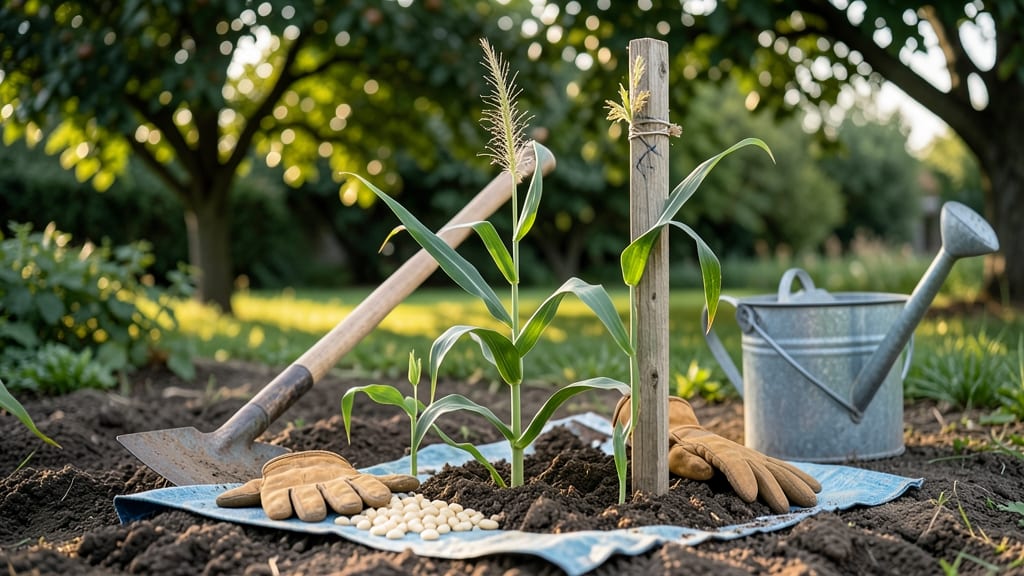
Timing your 🌽 corn planting in Houston isn’t just about following a calendar—it’s about outsmarting the city’s sweltering summers and unpredictable spring showers. Plant too early, and you risk losing tender seedlings to late frosts; wait too long, and the heat will stunt your harvest before kernels even form.
The ideal window is narrow but critical: between March and early June, when soil warms to at least 60°F and humidity spikes just enough to give your plants a fighting chance.
Here’s the kicker: Houston’s Zone 9a climate demands heat-resistant varieties like ‘Silver Queen’ or ‘Peaches and Cream,’ which can handle the 90°F+ temperatures that arrive by July. But even the toughest corn struggles if planted too close to peak heat—so we’re talking early spring starts, not summer gambles.
Let me show you exactly how to sync your planting schedule with Houston’s quirky weather patterns for a harvest that actually makes it to your table.
You might think corn is a low-maintenance crop, but in Houston, it’s a high-stakes game of patience and precision. The key is planting in stages: start with a March batch to beat the heat, then follow up in April and May to stretch your harvest through October.
This isn’t just advice—it’s your roadmap to avoiding the two biggest mistakes Houston gardeners make: planting too late or picking the wrong variety for our brutal summers.
Ready to turn your backyard into a cornucopia? I’ll walk you through the exact dates, soil prep secrets, and heat-beating tips that’ll have your 🌽 stalks towering over your neighbors’ by summer. Let’s get those kernels popping—before the humidity does.
Best planting dates for corn in Houston’s climate zones
Houston’s USDA Zone 9a climate means corn thrives in long, hot summers—but timing is everything. The ideal planting window stretches from mid-March to early June, when soil temperatures hit 60°F+. This ensures corn matures before Houston’s oppressive July heat stalls growth.
Direct sowing in March–April gives corn a head start, while late May–June plantings work for heat-tolerant varieties like ‘Peaches and Cream’. Avoid planting before February 15—late frosts can still linger, and corn is frost-sensitive.
🌽 Houston Corn Planting Timeline
| Stage | Action | Soil Temp | Notes |
|---|---|---|---|
| Prep Soil | Test pH (6.0–6.8) | 55°F+ | Add compost 2 weeks before planting |
| Direct Sow | March–April | 60°F+ | 1" deep, 12" apart |
| Transplant | May–June | 65°F+ | Use heat-tolerant varieties |
| Harvest | June–October | N/A | 75–90 days after planting |
For staggered harvests, plant in two-week intervals—this extends your corn supply from late June to October. Early plantings (March) risk earworm infestations in Houston’s humidity, while late plantings (June) may struggle with drought stress if summer rains fail.
Use a soil thermometer to confirm readiness—corn roots need consistent warmth. Cold soil (<55°F) delays germination, wasting your planting window. Pro tip: Black plastic mulch warms soil faster in Houston’s slow-start springs.
Houston’s high humidity (70%+) speeds fungal growth, so avoid planting in soggy soil. Amend clay-heavy Houston soil with sand and compost to improve drainage. ‘Silver Queen’ and ‘Ambrosia’ are top picks—they tolerate Houston’s 90°F+ afternoons better than standard varieties.
If you miss the March–April window, don’t panic—late June plantings can still work for short-season varieties like ‘Early Sunglow’. Just expect smaller ears due to shorter daylight in Houston’s fall. Succession planting every 2 weeks maximizes yield.
Watch for tasseling vs. silking misalignment in Houston’s heat—if tassels (pollen) appear before silks (female flowers), pollination fails. Hand-pollinate by rubbing tassels over silks if needed. 🌽
Best planting dates for corn in Houston’s climate zones
Houston’s USDA Zone 9a climate means corn thrives in long, hot summers, but timing is critical to avoid heat stress or spring frost damage. The ideal window for direct sowing is mid-March through early April, when soil temperatures consistently reach 60°F+ and frost risk fades.
This aligns with Houston’s average last frost date of January 15, giving seedlings time to mature before summer’s peak heat.
For transplanting, start seeds indoors 6-8 weeks before your target outdoor date (around February) to avoid stunted growth. However, Houston’s unpredictable spring rains can delay planting—always monitor weather forecasts and soil conditions before committing.
Varieties like ‘Silver Queen’ (70-day maturity) tolerate heat better than ‘Peaches and Cream’, making them ideal for Houston’s climate.
| Planting Stage | Ideal Month | Soil Temp Requirement | Houston-Specific Tip |
|---|---|---|---|
| Direct Sowing | Mid-March to Early April | 60°F+ | Wait for consistent 60°F+ to prevent slow germination. |
| Transplanting | Late February to Early March | 55°F+ | Hardening off seedlings for 10+ days improves survival. |
| Staggered Planting | Every 2 Weeks (March–June) | 60°F+ | Extends harvest season by 4–6 weeks. |
| Late Summer Backup | July (Dwarf Varieties) | 70°F+ | Use short-season varieties like ‘Ambrosia’ (60 days). |
Houston’s humidity and heat can stress corn plants, so prioritize well-draining soil and morning watering to prevent fungal diseases. Test your soil’s pH (aim for 6.0–6.8frost damage, while waiting too long may lead to poor pollination in extreme heat.
For maximum yield, aim to harvest before Houston’s peak summer temperatures (95°F+), which can cause ears to dry out prematurely. Varieties like ‘Bodacious’ (85 days) or ‘Peaches and Cream’ (75 days) strike a balance between heat tolerance and harvest timing.
Always monitor tasseling vs. silking—if silks dry out before pollination, you’ll lose ears.
Pro tip: Use a soil thermometer to confirm 60°F+ before planting. Houston’s black soil warms quickly, but surface temps can mislead—check 2 inches deep for accuracy. If rains delay planting, opt for row covers to protect young seedlings from downpours and pests.
🌽