
Vegetables
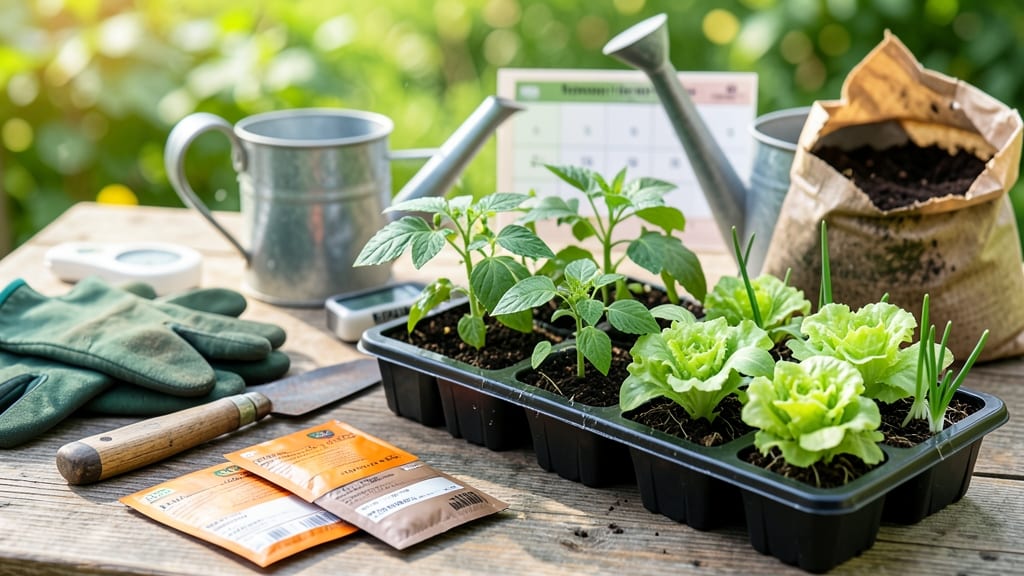
If you've ever wondered when is the best time to plant vegetables in Texas, you know the Lone Star State's extreme swings—from 100°F summers to sudden winter freezes—can turn gardening into a high-stakes gamble.
The wrong timing can leave your 🌱 vegetables bolting into heat or freezing before they even sprout, while the right approach means thriving harvests that make your neighbors green with envy. But here's the good news: with the right timing, you can beat the heat and outsmart the weather.
Whether you're in Zone 8A or Zone 10B, I'll show you exactly when to plant everything from heat-loving okra to frost-sensitive lettuce for a harvest that'll make your neighbors jealous. We're talking about the best planting windows that actually work in Texas, not just what some generic calendar suggests.
I'll break down how to adjust for your specific microclimate—because what works in El Paso might fail in Houston—and give you actionable tips to extend your growing season. Ready to turn your Texas garden from "maybe" to "magnificent"?
Let's dive into the heat-zone guide that'll have your vegetables thriving when others are wilting.
Texas heat-zone planting calendar: when to start cool vs. warm-season vegetables
Texas spans 11 USDA hardiness zones, from 8A in the Panhandle to 11B along the Gulf Coast. This diversity means your frost-free dates can vary by 6+ weeks—critical for planning.
Cool-season crops like broccoli and spinach need early starts, while tomatoes and peppers thrive when soil warms to 60°F+. Let’s break it down by zone to maximize your harvest.
In Zones 8A-9A (North Texas, Hill Country), aim to plant cool-season veggies like lettuce and peas 6-8 weeks before your last frost—typically late February to early March. Warm-season crops like okra and sweet potatoes should wait until after April 15, when soil temps stabilize above 65°F.
South Texas gardeners in Zones 10A-11B can start warm-season plants as early as mid-February.
Pro Tip: Use your average last frost date (find yours via the Texas A&M AgriLife Extension) as your anchor. For example, Amarillo (Zone 8A) has a March 15 average last frost, while Houston (Zone 9A) sees January 20. Adjust your schedule accordingly to avoid heat stress or frost damage.
Here’s a quick reference for Texas heat zones and their ideal planting windows:
| Zone | Cool-Season Start | Warm-Season Start | Key Crops |
|---|---|---|---|
| 8A (Panhandle) | Late Feb–Early March | After April 15 | Kale, Peas, Tomatoes, Peppers |
| 9A (Dallas, Austin) | Early Feb–Mid-March | After March 15 | Spinach, Broccoli, Okra, Eggplant |
| 10A (San Antonio) | Late Jan–Early Feb | After Feb 1 | Lettuce, Cabbage, Sweet Potatoes, Peppers |
| 11B (Brownsville) | Year-round (shade) | January–February | Okra, Black-Eyed Peas, Tomatoes, Basil |
For cool-season crops, focus on leafy greens and brassicas like kale, broccoli, and cabbage. These thrive in 50–65°F soil and can handle light frosts. Start seeds indoors 4–6 weeks before transplanting to give them a head start.
In Zones 8A–9A, you can even squeeze in a fall harvest by planting in late summer.
Warm-season vegetables, including tomatoes, peppers, and squash, demand consistent warmth. Wait until soil temps reach 60°F+—use a soil thermometer to check. In North Texas (Zones 8A–9A), this usually means late April to early May.
South Texas gardeners can start 2–4 weeks earlier, but be mindful of humidity and pests like squash bugs.
Don’t overlook succession planting for bush beans, lettuce, and radishes. These crops mature quickly (30–60 days) and benefit from staggered sowings every 2 weeks.
This ensures a continuous harvest and minimizes wasted space. For example, plant radishes every 10 days from February to April in Zone 9A.
If you’re in Zone 10A or warmer, you can grow two full harvests per year—one in spring and another in fall. Okra and sweet potatoes are perfect for this climate, as they tolerate heat and humidity better than most.
Start okra seeds in March and sweet potatoes in April for a summer-to-fall bounty.
Always monitor local weather forecasts for unexpected cold snaps, especially in North Texas. Use row covers or cold frames to protect young seedlings if frost is forecasted. Conversely, in South Texas, heatwaves above 100°F can stress plants—provide shade cloth for delicate crops like cucumbers and zucchini.
Ready to dive deeper? Next, we
How to adjust planting times for Texas’ unpredictable weather patterns
Texas weather can throw curveballs—one day you're battling 100-degree heatwaves, the next you're scrambling to protect seedlings from a 28°F freeze. The key to success? Flexible planting strategies that account for these extremes.
I’ve learned the hard way that rigid schedules fail here, but with a few adjustments, you can extend harvests and minimize losses.
Start by monitoring local frost dates, which vary wildly across Texas. North Texas (Zones 7-8) often sees last frosts in March, while South Texas (Zones 9-11) may have year-round growing potential.
Use these dates as guidelines, not rules—always have a backup plan for late frosts or early heatwaves.
For cool-season crops like lettuce and spinach, I recommend staggered plantings every 2-3 weeks starting in September (for fall harvests) and February (for spring). This ensures you always have something mature before heat sets in.
Use black plastic mulch to warm soil faster in spring, or shade cloth to protect seedlings from intense afternoon sun.
Warm-season vegetables like okra and sweet potatoes thrive in Texas heat but need soil temperatures above 60°F to germinate. Wait until mid-April in North Texas or March in South Texas to plant.
For tomatoes and peppers, which are sensitive to both cold and heat, I plant transplants after Memorial Day—this gives the soil time to warm while avoiding late spring frosts.
Another trick I swear by? Succession planting for heat-loving crops. Plant okra every 2 weeks from May to July to ensure a continuous harvest through the summer.
Pair this with drip irrigation to keep roots cool during heatwaves. And always mulch heavily—straw or wood chips help retain moisture and regulate soil temperature.
Finally, keep an eye on the 10-day forecast. If a cold snap is predicted in November, rush to harvest cool-season crops or protect them with frost blankets. For summer heatwaves, provide afternoon shade with lightweight shade cloth (30-50% shade) to prevent bolting in greens like kale.
With these adjustments, you’ll turn Texas’s unpredictability into your advantage.