
Plants
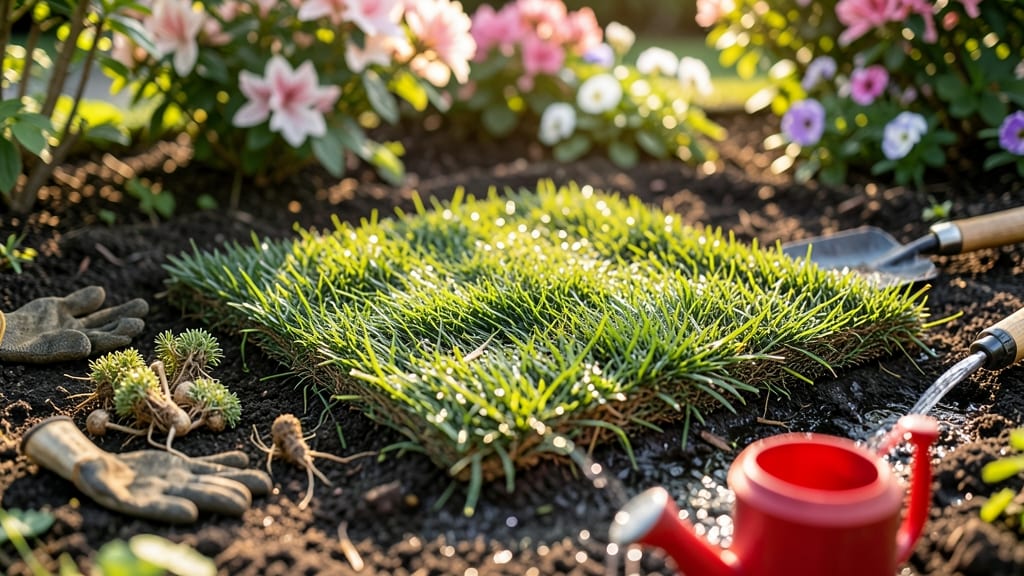
If you're wondering when is the best time to plant St. Augustine Grass in Texas, you're not alone.
The key to a thick, vibrant lawn isn't just about choosing the right grass—it's about planting it at the perfect moment when your soil and climate are working with you, not against you.
For Texas homeowners in zones 8a-10b, timing is everything. Waiting until soil temperatures hit a steady 68°F—typically in late spring—gives your grass the best chance to establish deep roots before summer's brutal heat sets in.
But here's the catch: planting too early risks frost damage, while waiting too long means battling drought stress.
I'll show you exactly when to plant for fast, resilient growth, how to prep your soil for Texas' unique challenges, and what common mistakes are silently sabotaging your lawn. Let's get your grass off to the right start.
Whether you're in North Texas where springs arrive earlier or South Texas where summer feels like it never ends, these insights will help you avoid the most costly errors. Ready to transform your yard into a lush oasis? Let's dive in.
Optimal planting windows for St. augustine grass in Texas: soil temperature matters most
Texas’ long, hot summers and variable frost dates make timing critical for St. Augustine grass success. Unlike cool-season grasses, this warm-season variety thrives when soil temperatures consistently hit 68°F or higher—a threshold that varies dramatically across Texas regions.
Planting too early risks slow growth or fungal diseases, while waiting too long may stress young plants during peak summer heat.
My go-to rule is simple: Wait until after the last frost (typically mid-March to mid-April in most of Texas) and monitor soil temps daily.
For North Texas (Zones 8a-8b), aim for April to early May, while South Texas (Zones 9a-10b) can plant as early as late February to March—but only if nights stay above 55°F.
Here’s the golden window I recommend for most Texas gardeners: Late April through early June. This gives your grass 6-8 weeks of warm soil before summer’s intense heat peaks.
For fall plantings (less common but possible), late summer to early September works if you’re in South Texas—but North Texas should skip fall entirely due to early frosts.
🌱 St. Augustine Grass Planting Timeline for Texas
| Region | Best Planting Window | Soil Temp Threshold | Key Consideration |
|---|---|---|---|
| North Texas (8a-8b) | Late April–Early June | 68°F+ consistently | Avoid late plantings—summer heat arrives fast |
| Central Texas (8b-9a) | Early April–Mid-June | 70°F+ consistently | Longer growing season—plant early to establish roots |
| South Texas (9b-10b) | Late February–Early June | 72°F+ consistently | Can plant earlier but watch for chinch bug outbreaks |
| All Regions (Fall Option) | Late August–Early September (South TX only) | 75°F+ soil | Risky—requires fast root growth before frost |
💡 Pro Tip: Use a soil thermometer ($10 at garden centers) to check temps 1 inch deep in the morning. Aim for 68°F+ for 5+ days before planting.
Testing soil temperature is easier than you think. Morning is best—stick a soil thermometer into the ground where you’ll plant, about 1 inch deep.
If it reads below 68°F, wait. North Texas gardeners often see 50°F soil temps in April, while South Texas hits 75°F+ by March. Pro move: Mulch bare soil with straw or black plastic 2 weeks before planting to warm the ground faster.
One common mistake I see is planting too late in spring—say, June in North Texas. By then, 100°F+ air temps and dry winds stress young grass. My hard rule: If your shade thermometer reads above 95°F, hold off.
Instead, water deeply (1–1.5 inches per week) and shade new plants with 50% shade cloth until roots establish.
For South Texas, where summers are longer and hotter, I recommend early spring plantings (February–March) to beat the heat. The grass will go dormant in summer but bounce back in fall rains. Just avoid planting in September—the humidity and fungal pressure (like brown patch) skyrocket.
If you’re sodding instead of seeding, timing shifts slightly. Sod can handle slightly cooler soil (65°F+) because it’s already established, but I still wait until late April in most of Texas.
Roll out sod on a cool, cloudy day to reduce stress, and water immediately—daily for 2 weeks to knit roots to soil.
Remember: St. Augustine grass is a heavy feeder, so soil warmth = faster root growth. If you plant at
Optimal planting windows for St. augustine grass in Texas: soil temperature matters most
Texas’ extreme heat and humidity make timing critical for St. Augustine grass success. Unlike cool-season grasses, this warm-season variety thrives when soil temperatures consistently stay above 68°F. Planting too early risks slow growth or disease, while waiting too long can lead to heat stress.
In most of Texas, the ideal window spans late spring to early summer—typically March through June—when daytime highs hover between 75°F and 90°F. However, North Texas (like Dallas) often warms earlier than South Texas (Houston, Corpus Christi), so adjust based on your USDA zone (8a-10b).
🌡️ Pro Tip: Use a soil thermometer to confirm temperatures. Bury it 4 inches deep in shade for 3 consecutive days above 68°F before planting. Morning readings are most accurate.
| Region | Best Planting Months | Soil Temp Threshold | Key Consideration |
|---|---|---|---|
| North Texas (Dallas, Fort Worth) | April–May | 68°F+ for 7+ days | Cooler nights; monitor for fungal risks |
| Central Texas (Austin, San Antonio) | March–June | 70°F+ consistently | Balanced heat/humidity; water deeply daily |
| South Texas (Houston, Corpus Christi) | May–June | 72°F+ minimum | High humidity; avoid overhead watering at night |
| West Texas (El Paso, Lubbock) | April–May | 65°F+ (drier climate) | Low humidity; mulch heavily to retain moisture |
While spring planting is prime, early fall (September) can work in North Texas where temperatures drop faster. However, avoid planting in summer’s peak (July–August)—the intense heat and drought stress can kill young grass before it establishes roots.
For sod vs. plugs, adjust timing slightly: Plugs (small sections) tolerate heat better and can be planted 1–2 weeks later than sod. Sod, however, needs immediate moisture, so plant it when you’re prepared to water daily for the first 2–3 weeks.
🌱 Remember: St. Augustine grass won’t survive frost, so if you’re in Zone 8a (e.g., Hill Country), aim to finish planting by mid-October to avoid winter damage. In Zones 9b–10b, you have until November.