
Plants
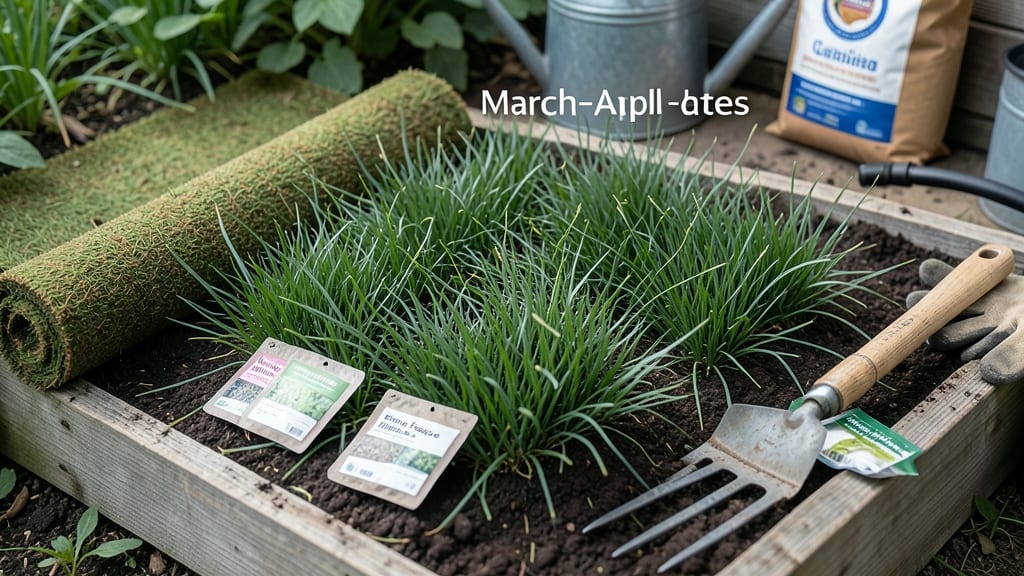
Timing your spring grass planting just right can mean the difference between a lush, vibrant lawn and a patchy disappointment. If you've ever stared at your yard wondering why your grass isn't thriving, the answer might be simpler than you think—it's all about when you plant that first seed.
For most of us in USDA Zone 6a, the ideal window opens around early to mid-spring when the soil warms to 55-65°F. This temperature range isn't just a random number—it's the sweet spot where seeds germinate quickly and roots establish fast, setting your lawn up for success.
But here's the catch: planting too early when frost still lingers can leave your seeds vulnerable, while waiting too long risks heat stress.
I've learned the hard way that rushing or delaying can turn your 🌱 grass planting efforts into a gamble. The good news? With the right soil temperature checklist and a few key preparation steps, you can skip the guesswork and create a lawn that's the envy of the neighborhood.
Let's dive into what you need to know to get it right the first time.
Whether you're a beginner or a seasoned gardener, understanding these timing secrets will help you avoid common mistakes and ensure your grass grows thick, green, and healthy. Ready to transform your yard? Let's get started with the essentials for fast root growth and a lawn you'll love all season long.
Spring grass planting timeline: soil temperature rules for fast root establishment
Timing your spring grass planting is all about soil temperature, not just calendar dates. Seeds need warm soil—50°F to 65°F—to germinate properly. Planting too early when soil is still cold can leave seeds dormant or rot, while waiting too long risks summer heat stress.
Let’s break down the science behind the perfect window for your region.
In most of the U.S., this means aiming for mid-April to early May, but your exact timing depends on your climate zone and last frost date.
For example, Northern states like Minnesota or New York may need to wait until late April, while Southern states like Texas or Florida can start as early as February. Always check your local USDA Plant Hardiness Zone for precision.
Here’s the golden rule: Wait until soil is consistently 55°F+ at 4-inch depth. Use a soil thermometer to test—this simple tool takes the guesswork out of timing.
If you plant too soon, seeds may sprout slowly or fail entirely. If you wait too long, summer heat can dry out seeds before they establish roots.
A common mistake is relying on air temperature instead of soil temperature. A warm April day doesn’t mean the ground is ready—soil warms more slowly. For instance, in Zone 5 or 6, soil might still be 40°F in early April, while air temps hit 60°F.
This mismatch is why many gardeners see patchy or slow-growing grass.
Another critical factor is rainfall and moisture. Seeds need consistent moisture to germinate, but too much rain can wash them away or cause fungal diseases. If your spring is dry, plan to water twice daily (morning and evening) until germination occurs.
In wet springs, delay planting until the soil dries slightly to avoid seed rot.
Let’s dive into the exact soil temperature thresholds and regional planting windows you should follow. This summary table will help you pinpoint the best time for your area, whether you’re in the Northeast, Midwest, South, or West Coast.
| Region | Ideal Planting Window | Soil Temp Threshold | Key Consideration |
|---|---|---|---|
| Northern U.S. (Zones 3-5) | Mid-April to early May | 50°F–55°F | Wait for last frost (typically April 15) |
| Midwest (Zones 5-7) | Late April to early May | 55°F–60°F | Soil should be workable, not muddy |
| Southern U.S. (Zones 7-10) | February to early April | 60°F–65°F | Avoid summer heat; plant in cooler months |
| West Coast (Zones 7-10) | March to early April | 55°F–60°F | Watch for coastal fog delays |
Once you’ve nailed down the soil temperature, the next step is preparing your lawn. This includes testing soil pH (ideal range: 6.0–7.0), aerating compacted soil, and removing weeds. Skipping these steps can lead to poor seed-to-soil contact, which slows germination by up to 30%.
For example, a low pH (acidic soil) can prevent nutrients from absorbing properly, while high pH (alkaline soil) may cause iron deficiency, turning grass yellow.
Pro tip: If your soil is too acidic, add pelletized lime 4–6 weeks before planting.
For alkaline soil, mix in sulfur or peat moss to lower the pH. Always test again after amending—this small step can make the difference between a thin, patchy lawn and a dense, vibrant carpet of grass. Don’t underestimate the power of a simple soil test kit!
After planting, consistent watering is key. New grass needs 1–1.5 inches of water per week, either from rain or irrigation. The best time to water is early morning (5–9 AM), which reduces evaporation and fungal risks.
Avoid watering at night, as damp grass overnight can invite disease. Use a rain gauge or tuna can to measure water depth—this ensures you’re not over- or under-watering.
Remember, the goal is fast root establishment. Seeds should sprout within 7–21 days, depending on the variety and conditions. If you see slow germination after 3 weeks, check for uneven soil moisture, poor seed-to-soil contact, or temperature fluctuations.
Adjust your care routine accordingly to give your grass the best start possible.
With the right timing and preparation, your spring grass planting can transform a bare, patchy lawn into a lush, green oasis in just a few weeks. The secret? Paying attention to
Spring grass planting timeline: soil temperature rules for fast root establishment
Timing your spring grass planting right ensures fast germination and strong root growth. The key factor? Soil temperature. Grass seeds need soil between 50°F–65°F for optimal sprouting—too cold, and they’ll rot; too hot, and they’ll dry out before germinating.
Most regions experience their ideal planting window between 4–6 weeks after the last frost. For example, in USDA Zone 6a, this typically falls in April or early May.
Northern climates may push planting to late May to avoid late frosts, while Southern zones can start as early as February or March.
🌱 Pro Tip: Use a soil thermometer to check depth (1 inch below soil surface). If temperatures dip below 50°F, wait—patience prevents wasted seeds!
| Climate Zone | Ideal Planting Month | Soil Temp Range (°F) | Key Risk |
|---|---|---|---|
| Northern (Zones 3-5) | April–May | 50°F–60°F | Late frosts |
| Midwest (Zones 6-7) | April–early June | 55°F–65°F | Drought stress |
| Southern (Zones 8-10) | February–March | 60°F–70°F | Heat shock |
Regional differences matter! For example, cool-season grasses like Kentucky bluegrass thrive in Northern climates, while warm-season grasses such as Bermuda grass prefer Southern heat. Always choose seeds suited to your USDA zone and local microclimate.
If you’re unsure about your last frost date, check local weather forecasts or use a frost calendar. Planting too early risks seed rot from lingering cold, while waiting too long may lead to weed competition or dormancy before roots establish.
Once soil hits the sweet spot of 55°F–65°F, act fast! Grass seeds germinate within 7–21 days, depending on variety and moisture. Keep soil consistently moist (not soggy) with daily light watering until sprouts appear.
✅ Ready to Plant? Test your soil’s readiness with a soil thermometer at dawn (soil cools overnight). If it’s in the ideal range, grab your seeds, clear debris, and prepare for a thick, green lawn by summer!