
Plants
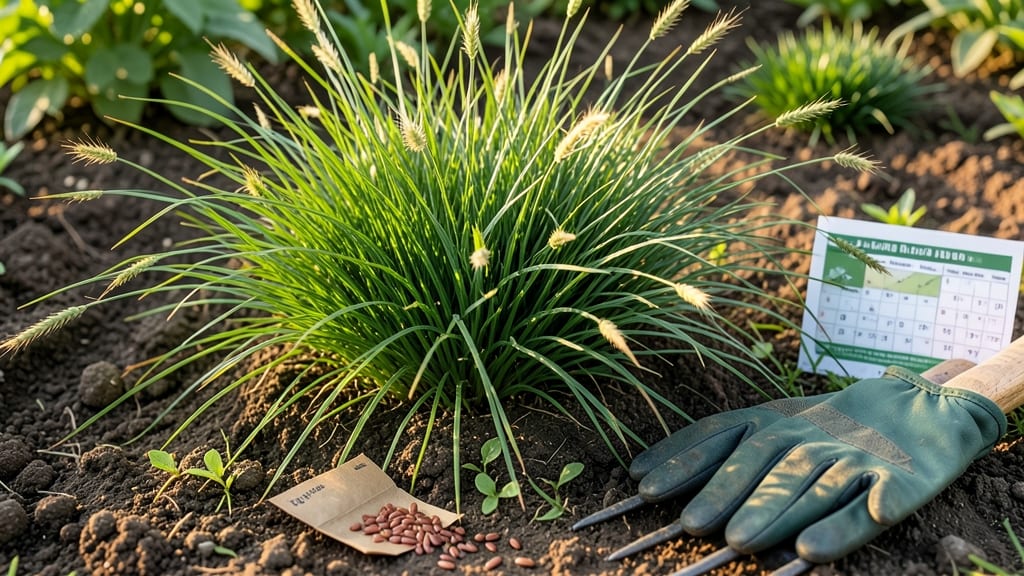
If you're asking "when do you plant rye grass in Texas", the answer is simpler than you might think—but timing it wrong could mean thin patches or wasted seeds.
Texas gardeners know that late summer to early fall is the sweet spot for fast, lush establishment, especially in zones 8a-10a.
The key is planting 4-6 weeks before the first frost, which typically lands between August and October in most of the state. This window lets the grass take root before winter sets in, giving you a thick, resilient cover for spring.
Whether you're prepping for forage or just want a green lawn, getting this right makes all the difference.
But here’s the catch: North Texas and South Texas have different frost dates, and drought conditions can throw off your plans. I’ll break down exactly how to adjust your schedule based on your region—and the one simple trick to ensure your rye grass grows faster than ever.
Ready to skip the guesswork? Let’s dive into the exact steps to plant rye grass in Texas like a pro, so you’re not left with bare spots or slow growth.
Best months to plant rye grass in Texas for optimal growth
In Texas, the perfect window for planting rye grass is between mid-August and mid-October. This timing aligns with the state’s fall planting season, ensuring your grass establishes strong roots before winter.
The key is to plant 4-6 weeks before the first frost, which varies by region—North Texas sees frost by mid-November, while South Texas holds off until December.
Rye grass thrives in cool-season temperatures, ideally between 60-75°F for germination. Planting too early (before August) risks heat stress, while waiting too late (after October) may leave your grass vulnerable to early freezes.
Texas’ USDA zones 8a-10a mean you’ll need to adjust slightly based on your location—North Texas gardeners should aim for September, while South Texas can stretch into early November.
Soil temperature is another critical factor. Rye grass seeds germinate best in soil that’s 55-75°F. Use a soil thermometer to check—if temps drop below 50°F, germination slows dramatically.
In East Texas, where humidity is higher, you might start as early as late July, but West Texas gardeners should wait until September to avoid drought stress.
Moisture is just as important as timing. Rye grass needs consistent soil moisture to germinate, so water lightly but frequently (about ¼ inch per day) until seeds sprout. In dry years, like those common in West Texas, consider using a mulch layer to retain moisture.
Once established, rye grass is drought-tolerant, but young seedlings need protection.
If you’re planting for winter forage or erosion control, aim for a thick stand by mid-October. This gives roots time to anchor before freezing temperatures set in. In North Texas, where winters can be harsh, planting by September 15 ensures your grass survives the cold.
For South Texas, where mild winters prevail, you can push the window to November 1.
Pro tip: Check your local agricultural extension service for frost date averages—they’ll provide the most precise planting window for your county. For example, Amarillo (North Texas) typically plants by September 1, while Houston (South Texas) can wait until October 15.
Adjusting for these regional differences makes all the difference in grass density and overwintering success.
One common mistake is planting rye grass in summer heat. If you miss the fall window, you can try a spring planting (February–March), but growth will be slower, and the grass may struggle with summer heat stress.
For best results, stick to the fall timeline—it’s when rye grass truly excels in Texas.
Finally, remember that rye grass is a cool-season annual, meaning it dies back in late spring (around April–May). Planting in the right window ensures you get the full 6–8 months of lush, fast-growing coverage before it naturally declines.
With the right timing, your Texas lawn or pasture will thank you with dense, resilient growth all winter long.
🌾
Best months to plant rye grass in Texas for optimal growth
Texas’ fall planting window for rye grass is your golden opportunity for thick, fast-growing winter cover. Unlike cool-season grasses that can handle spring planting, rye grass thrives when sown 4-6 weeks before the first frost.
In most of Texas, that means aiming for late August through October—but your exact timing depends on whether you’re in North or South Texas.
For North Texas (USDA Zones 7b-8a), where frost can arrive as early as mid-November, plant by early October to avoid stunted growth. In South Texas (Zones 8b-10a), where frost is rare until December or January, you can extend planting until late October or even November.
The key is soil temperatures between 60°F and 75°F—ideal for germination without overheating the seeds.
🌾 Texas Rye Grass Planting Timeline
| Region | Best Planting Window | Soil Temp Goal | Frost Risk |
|---|---|---|---|
| North Texas | Late August–Early October | 60°F–75°F | High (Nov–Dec) |
| Central Texas | Mid-August–Mid-October | 60°F–75°F | Moderate (Dec) |
| South Texas | Late August–Late October | 65°F–80°F | Low (Jan–Feb) |
🌡️ Pro Tip: Use a soil thermometer to confirm temps before planting.
Moisture is just as critical as timing. Rye grass seeds need consistent soil moisture to germinate, so water lightly but daily until sprouts appear (usually 7–14 days). After germination, reduce to 1–1.5 inches per week, focusing on deep watering to encourage root growth.
Overwatering can lead to fungal diseases, while drought stress slows establishment.
One common mistake is planting too late—especially in North Texas. If you miss the October window, your rye grass may not establish strong roots before winter, leaving it vulnerable to freeze damage or patchy growth.
Conversely, planting too early (June–July) risks heat stress, as Texas summers can push soil temps above 85°F, which inhibits germination.
For drought-prone areas, consider covering seeds with a thin layer of straw to retain moisture and protect them from wind. This is especially helpful in West Texas, where rainfall is sparse.
Pair this with mulching after germination to lock in moisture and suppress weeds—your rye grass will thank you with thicker, greener growth by winter.
Remember, rye grass isn’t just for lawns—it’s a powerhouse cover crop that prevents erosion, improves soil health, and provides forage for livestock.
By planting at the right time and giving it the care it needs, you’ll set yourself up for a lush, resilient winter lawn that’s ready to transition into spring. 🌱