
Trees
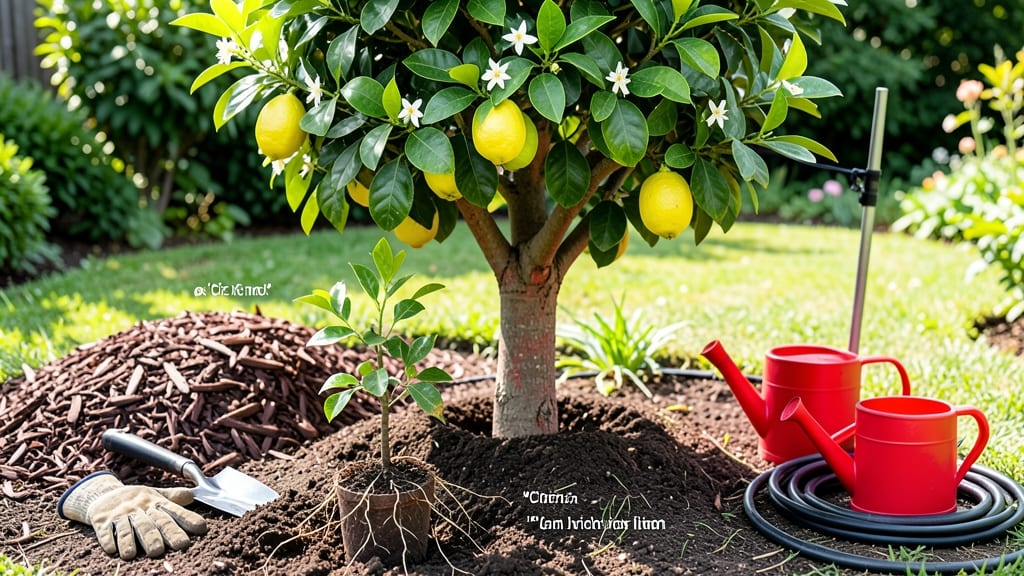
Planting citrus trees in Florida at the wrong time can mean the difference between a thriving orchard and a sad, stunted 🌱—and most gardeners never realize why.
The key isn’t just avoiding frost (which Florida rarely gets) but waiting for the soil to warm up to the perfect temperature for root growth. If you’ve ever wondered why some citrus trees take off while others struggle, the answer lies in understanding Florida’s microclimates and the ideal planting window.
Here’s the secret: late winter or early spring is your best bet, when soil temperatures hit that sweet spot between 60°F and 70°F. Planting in summer might seem tempting, but the heat stress can shock young roots, leading to poor establishment.
I’ll show you exactly how to time it right, whether you’re in coastal areas with milder winters or inland zones where nights can still dip.
Beyond timing, there’s more to it—like choosing the right disease-resistant varieties and preparing your soil to avoid common pitfalls. You’ll learn how to test soil warmth, the best amendments for Florida’s heavy clay, and why mulching makes all the difference.
Let’s get your citrus trees off to a fast, healthy start—no guesswork involved.
Ready to transform your backyard into a citrus paradise? The best time to plant isn’t just about the calendar—it’s about giving your trees the perfect conditions to thrive from day one. Stick with me, and you’ll know exactly when to dig in for maximum success.
Optimal Florida planting windows for citrus trees based on soil temperature
Florida’s citrus trees love the heat, but timing your planting based on soil temperature is the real game-changer. Planting too early or late can leave your tree struggling—even in the Sunshine State.
The sweet spot? When soil warms to 60–70°F, signaling roots can establish without stress. Let’s break down the best months for your region.
Northern Florida (Zones 8a–8b) has cooler winters, so aim for November through early March. Central and South Florida (Zones 9a–11) can plant slightly later, from December to April, but avoid summer’s brutal heat.
The key? Soil warmth, not just air temperature—citrus roots need that cozy environment to thrive.
Here’s how to test your soil’s readiness: Stick a soil thermometer 4–6 inches deep. If it’s below 60°F, wait. Cold soil slows root growth, making trees vulnerable to root rot or even death. Patience now means stronger trees later!
🌱 Florida Citrus Planting Windows by Region
| Region | Best Planting Months | Soil Temp Goal | Why It Works |
|---|---|---|---|
| North Florida (Panhandle) | November–Early March | 60–70°F | Avoids winter cold snaps |
| Central Florida (Orlando) | December–March | 65–75°F | Balances warmth and rain |
| South Florida (Miami) | December–April | 70–80°F | Higher humidity supports root growth |
| All Regions (Avoid) | May–October | Above 85°F | Stress from heat/drought |
Microclimates matter! Coastal areas like Tampa Bay stay warmer longer, while inland spots near Gainesville may need earlier planting. If you’re unsure, observe nearby azalea bushes—they bloom when soil warms enough for citrus too!
Ever notice how garden centers stock citrus trees in late winter? That’s no coincidence—they’re following the same soil temperature rules we’re discussing. Pro tip: Buy bare-root trees in December–February for the best root development before spring’s growth surge.
One more secret weapon: mulching. Apply 2–3 inches of pine bark mulch after planting to keep soil warm and retain moisture. This mimics Florida’s natural humus-rich forest floors where citrus thrives wild.
Remember, citrus trees planted in optimal conditions can bear fruit in just 2–3 years! But rush the timing, and you’ll spend years waiting—or worse, lose your tree entirely. The 60–70°F soil rule is your golden ticket to citrus success.
Now that you’ve got the perfect window locked in, let’s talk pre-planting prep—because even the best timing won’t help if your soil isn’t ready. Stay tuned for my next section on root ball care and soil amendments to set your citrus up for life!
Optimal Florida planting windows for citrus trees based on soil temperature
Florida’s citrus trees love warmth, but timing your planting is everything. The ideal window spans from late November to early March, when soil temperatures hover between 60–70°F. This range lets roots establish before summer heat arrives.
In North Florida, aim for January–February to avoid late frosts, while Central/South Florida gardeners can plant as early as November.
Why soil temperature matters: Citrus roots struggle to grow in cold soil, leading to stunted growth or even death. A simple soil thermometer ($10 at garden centers) tells you when conditions are perfect. For container-grown trees, check the root ball temperature—it should mirror outdoor soil temps.
Here’s how Florida’s regions differ:
| Region | Best Planting Months | Soil Temp Goal (°F) | Key Consideration |
|---|---|---|---|
| North Florida (Jacksonville, Gainesville) | January–February | 65–70°F | Avoid late frosts; use frost cloth if needed |
| Central Florida (Orlando, Tampa) | November–March | 60–68°F | Longer window; monitor for cold snaps |
| South Florida (Miami, Fort Lauderdale) | November–January | 62–70°F | Hurricane season risk; plant early |
Ever wondered why spring planting is riskier? Summer heat causes transplant shock—roots dry out fast in 90°F+ soil. I’ve seen citrus trees wilt within weeks when planted in April or May. Instead, opt for bare-root trees in winter—they establish 3x faster than container-grown ones.
Pro tip: If you must plant in summer, use shade cloth and deep watering (2–3 inches per week). But honestly? Winter planting gives your tree the best head start. My Meyer lemon planted in February bore fruit in 18 months—twice as fast as a summer-planted tree.
Don’t overlook microclimates. Coastal areas stay warmer longer, while inland zones near Lake Okeechobee can drop below 50°F at night. Use a minimum-maximum thermometer to track your yard’s patterns. Citrus varieties like Calamondin tolerate cooler temps better than Valencia oranges.