
Plants
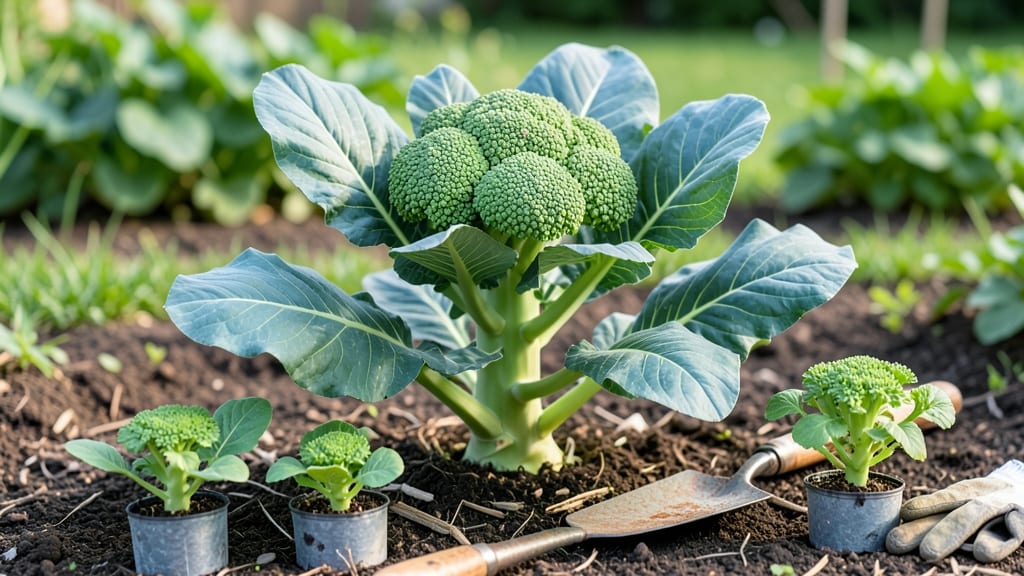
Planting broccoli in Central Florida’s sweltering summers might seem impossible—but timing is everything. If you miss the August-September window, your 🥦 plants will bolt before producing a single edible head, leaving you with bitter stems and wasted effort.
The key to success lies in understanding Florida’s unique climate, where 9a-10a hardiness zones and unpredictable heat can make or break your harvest. Unlike northern growers, you’re not dealing with frost—you’re fighting humidity and sudden temperature swings that trick broccoli into flowering early.
I’ve grown broccoli here for years, and what I’m about to share will help you avoid the most common mistakes—like planting too late in fall or skipping soil prep—that lead to failed crops. With the right schedule, you’ll enjoy fresh, crisp heads from November through April.
Let’s break down the exact months to plant, how to protect your crop from Florida’s heat, and which varieties actually thrive here—so you can finally enjoy homegrown broccoli without the frustration.
Central Florida broccoli planting calendar: best months to avoid bolting
Central Florida’s USDA Zones 9a-10a mean broccoli thrives in cool-season windows—but timing is everything. Plant too early, and your seedlings fry in summer heat; too late, and frost ruins your crop.
My ideal window is September through February, with peak success in September and January when temperatures stay between 60°F and 75°F.
The key is avoiding heat stress, which triggers bolting (premature flowering). In Orlando, August’s 90°F+ days are too hot for direct sowing, while Tampa’s coastal breezes can delay frost slightly. I’ll break down the exact months, microclimate adjustments, and seed-starting tricks to maximize your harvest.
⚠️ CRITICAL: Broccoli bolts when exposed to consistent temps above 80°F or frost below 28°F. Central Florida’s first frost typically hits mid-January, but coastal areas like St. Petersburg may escape frost entirely. Use this calendar to align your planting with your local frost dates.
| Month | Planting Window | Key Considerations | Microclimate Notes |
|---|---|---|---|
| July | Seed-start indoors | Soil temps >85°F; use shade cloth | Coastal areas: start earlier |
| August | Transplant seedlings | Afternoon shade critical; mulch heavily | Inland: wait until late August |
| September | Direct sow or transplant | Perfect temps (70-80°F); harvest by Dec | Best month for Orlando/Tampa |
| October | Succession plant | Watch for early frosts inland | Coastal: extend to November |
| January | Direct sow for spring crop | Harvest by April; protect from light frost | Inland: use row covers |
| February | Last chance for transplants | Soil warming; reduce watering | Coastal: possible until March |
For seed-starting, begin indoors in late June using grow lights. Harden off seedlings for 7-10 days before transplanting in early August. I swear by ‘Waltham 29’ and ‘De Cicco’ varieties—they handle Florida’s heat better than standard types.
In coastal areas like Daytona Beach, extend your window by 2-3 weeks thanks to moderating ocean breezes. Inland areas (e.g., Lakeland) may need row covers in January to protect against 28°F frosts. Always check your local Cooperative Extension Service for updated frost data.
If you miss the September window, don’t despair—January planting gives you a spring harvest just as delicious. Just be prepared to water deeply and mulch aggressively to keep roots cool. My go-to mulch is straw or wood chips, applied 3 inches thick around plants.
Remember: broccoli needs 60-80 days to mature. Plant successive batches every 2 weeks in September-October for a staggered harvest. This ensures you’re always getting fresh heads instead of a one-time glut that spoils before you can eat it.
Finally, soil prep is non-negotiable. Amend your beds with compost and aged manure to improve drainage—broccoli hates soggy roots. Aim for a pH of 6.0-7.0, and add lime if needed.
My soil test revealed acidic soil in my Orlando garden, so I added pelletized lime before planting.
With this month-by-month guide, you’ll avoid the #1 mistake Florida gardeners make: planting broccoli in summer. Follow these timelines, and you’ll enjoy homegrown brocc
How to extend your broccoli harvest season in Florida’s heat
Central Florida’s summer heat forces broccoli to bolt within weeks—but with the right strategies, you can stretch your harvest into spring and early summer. The key is heat management: varieties like ‘Waltham 29’ and ‘De Cicco’ tolerate warmer temps better than standard types.
Pair these with shade cloth and consistent moisture to trick plants into thinking it’s still cool season.
Start by planting heat-tolerant varieties in late July or early August for a fall harvest. These varieties mature faster (around 50-60 days) and handle 85°F+ temps better than traditional broccoli. For a winter harvest, sow seeds in January—just as temperatures dip below 80°F—to avoid premature bolting.
Shade cloth is your secret weapon. Use 30-50% shade fabric during peak afternoon sun (12 PM–4 PM) to keep soil temps below 85°F. This simple trick can add 2-3 weeks to your growing window. Secure the cloth with stakes and leave room for airflow to prevent fungal issues.
- 🌡️ Choose heat-tolerant varieties: ‘Waltham 29’ (58 days) or ‘De Cicco’ (55 days) handle 85°F+ better than standard types.
- 🌿 Use shade cloth (30-50%) during 12 PM–4 PM to lower soil temps by 10-15°F and delay bolting.
- 💧 Water deeply in the morning (1–1.5 inches) to keep roots cool and prevent stress-induced bolting.
- 🌱 Succession plant every 2 weeks in August–September for staggered harvests through winter.
- 🍂 Mulch with straw (2–3 inches) to retain moisture and insulate roots from heat spikes.
Succession planting is another game-changer. Sow seeds every 2 weeks from August through September to ensure a continuous harvest. This way, as your earliest plants bolt from heat stress, newer seedlings take their place. For winter crops, repeat the process in January to keep the cycle going until March.
Mulching isn’t just for weeds—it’s a heat buffer. Apply 2–3 inches of straw or wood chips around plants to keep soil temps 5–10°F cooler than ambient air.
This also reduces water evaporation, so you’ll need to water 20% less while maintaining consistent moisture. Just avoid piling mulch against stems to prevent rot.
Finally, watch for heat stress signs: yellowing leaves, tall stems, or flower buds forming. If you spot these, prune the main head and let side shoots develop—they’ll often produce smaller but edible broccoli heads.
With these tricks, you can harvest well into May instead of losing everything to summer heat.