
Trees
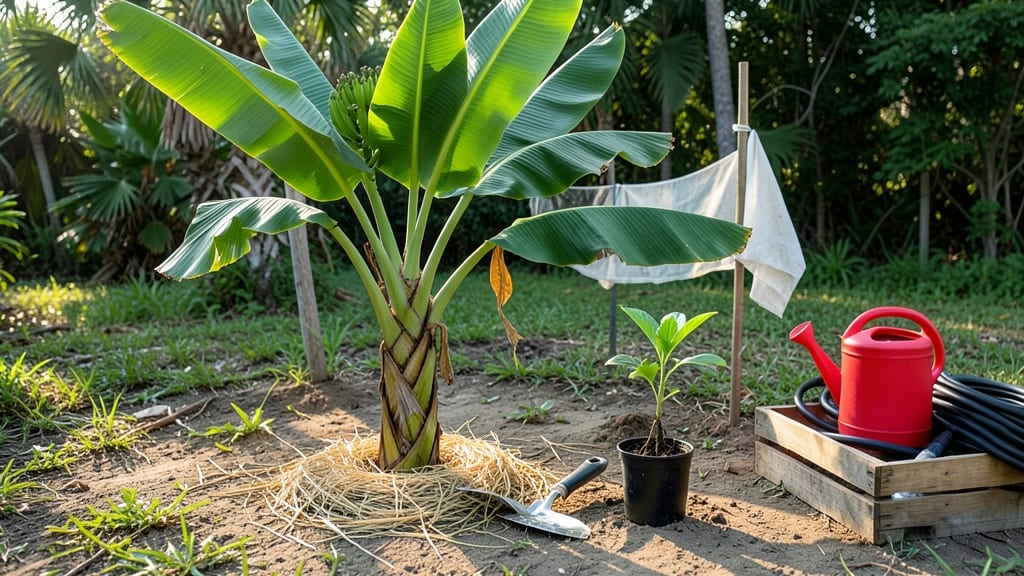
If you’ve ever dreamed of growing your own 🍌 banana trees in Florida, timing your planting could make the difference between a thriving tropical giant and a sad, frost-bitten failure.
The Sunshine State’s warm climate is perfect for bananas—but only if you plant them at the right moment, when the risk of surprise cold snaps has faded and the soil is ready to welcome these hungry roots.
Most Florida gardeners swear by spring as the ideal window, but the exact timing depends on where you live—whether you’re in frost-prone Zone 8A or the balmier Zone 10A.
I’ll break down the best months to plant for your specific area, plus how to prepare your soil and protect your young trees from Florida’s infamous temperature swings. Trust me, skipping these steps could mean waiting years for your first harvest.
What you’ll discover here is how to align your planting schedule with Florida’s microclimates, from coastal breezes to inland heat pockets. We’ll also cover the best banana varieties for your zone—because not all bananas handle Florida’s humidity the same way.
Ready to turn your backyard into a mini tropical paradise? Let’s get started.
The key to success isn’t just picking a month—it’s understanding how to give your banana trees the perfect head start. Whether you’re a first-time grower or a seasoned gardener, these insights will help you avoid common pitfalls and maximize your chances of a bountiful harvest.
Your future 🍌 grove starts here.
Florida’s frost-free window: best months to plant banana trees
Florida’s frost-free window is your golden opportunity to plant banana trees, but timing varies dramatically across the state’s USDA heat zones 8A through 10A.
In Zone 8A (Panhandle), you’ll want to plant after the last frost—typically mid-March to April—while Zone 10A (Miami) offers a more extended window from February through November. The key is avoiding cold snaps that can kill young plants, even in Florida.
Most Florida nurseries recommend planting banana trees in early spring (March-April) when soil temperatures consistently stay above 60°F. This gives roots time to establish before summer’s intense heat.
However, fall planting (September-October) works too, especially in southern Florida, where winters are milder. Just avoid planting in summer’s peak heat (June-August), when transplant shock can be fatal.
Here’s the critical rule: Wait until nighttime temperatures stay above 55°F for at least a week. Use a soil thermometer to confirm—banana roots won’t thrive in cold soil.
In northern Florida, this often means waiting until April or even May, while central and southern regions can start as early as February.
For container-grown banana trees, you have more flexibility. You can plant year-round in Zone 10A and even overwinter containers in Zone 9A by moving them indoors or to a greenhouse during cold snaps. However, in-ground planting always requires warmer soil and air temperatures to succeed.
| Florida Heat Zone | Best Planting Window | Soil Temp Requirement | Key Varieties |
|---|---|---|---|
| Zone 8A (Panhandle) | Mid-March to April | 60°F+ consistently | Bluggoe, Red Dacca |
| Zone 9A (Orlando, Tampa) | February to April | 58°F+ consistently | Dwarf Cavendish, Ice Cream |
| Zone 10A (Miami, Key West) | February to November | 55°F+ consistently | Lady Finger, Blue Java |
🌱 Pro Tip: Check your local Frost-Free Date using the National Weather Service or UF/IFAS Extension for precise timing.
If you’re planting in late spring (May-June), choose smaller varieties like Dwarf Cavendish or Ice Cream bananas, which establish faster in heat. These varieties also recover better from transplant shock during Florida’s brutal summer afternoons.
For standard-sized trees, stick to spring planting to avoid stress during their critical root-development phase.
One common mistake Florida gardeners make is planting banana trees too early in Zone 8A-9A. A late frost in February or March can devastate young plants. To avoid this, monitor local frost alerts and consider using row covers or mulch blankets for the first few weeks after planting.
Even a 28°F night can kill an unprotected banana tree.
For container growing, you can push the limits slightly. Move potted banana trees indoors or to a protected patio during cold snaps, then return them outdoors in spring. This method works well for Zone 9A-10A gardeners who want to experiment with tropical varieties like Musa acuminata.
Just ensure your containers have drainage holes and use a lightweight potting mix to prevent root rot.
Finally, consider your microclimate. Coastal areas like Fort Lauderdale or Naples have milder winters and can support banana trees year-round, while inland areas (e.g., Lakeland or Ocala) may need extra protection. Observe nearby palm trees or citrus groves—if they’re thriving, your banana tree likely will too.
Ready to plant? Mark your calendar for March-April in northern Florida or February-November in the south, and watch your banana trees grow into tropical giants that produce fruit year after year. Just remember: patience and timing are your best tools in Florida’s unpredictable climate. 🍌
Florida’s frost-free window: best months to plant banana trees
Florida’s USDA Zones 8A-10A offer a year-round growing season for banana trees, but timing still matters to avoid cold damage or slow growth. The ideal planting window spans from March through May, when soil temperatures consistently stay above 60°F.
This gives young roots time to establish before summer’s intense heat arrives.
For coastal areas (Zones 9B-10A), you can also plant in September-October to take advantage of milder fall temperatures. Inland regions like Orlando or Gainesville (Zone 8B-9A) should avoid fall planting due to higher frost risk after November 15th.
Always check your local frost-free date—a quick search for "your city frost dates" reveals critical timing.
🌱 Florida Planting Timeline by Heat Zone
| Zone | Best Planting Months | Soil Temp Goal | Variety Recommendation |
|---|---|---|---|
| 8A (North FL) | March-May | 60°F+ | Bluggoe, Ice Cream |
| 9A (Central FL) | Feb-May or Sep-Oct | 65°F+ | Dwarf Cavendish, Red Dacca |
| 10A (South FL) | Year-round (avoid Dec-Feb) | 70°F+ | Lady Finger, Blue Java |
My personal rule is to wait until after Easter to plant, as this guarantees soil warmth and minimizes late-spring frost risks. I’ve seen newly planted trees in March suffer when unexpected 28°F nights hit North Florida—especially in Zone 8A.
For container growing, you can push boundaries slightly earlier, but always harden off plants for 7-10 days before transplanting.
If you miss spring, don’t despair—fall planting works well in Zones 9B-10A when daytime temps stay above 75°F. I’ve successfully planted Red Dacca bananas in early October in Miami (Zone 10A), and they produced fruit the following summer.
The key is monitoring nighttime lows—aim for no lower than 50°F for the first 30 days after planting.
For container growing, you gain flexibility to move pots indoors during cold snaps, but even then, spring planting gives the best head start. I recommend 5-gallon pots minimum for young trees, with drainage holes to prevent root rot—a common issue in Florida’s heavy clay soils.
Always use a well-draining potting mix with perlite or orchid bark for aeration.
Remember: Banana trees grow fastest when planted in warm soil, so use a soil thermometer to confirm temps before committing. My go-to variety for beginners is Dwarf Cavendish—it’s cold-hardy to 28°F and produces fruit in 9-12 months when planted at the right time.
For a visual guide, check out the UF/IFAS Extension maps showing Florida’s microclimates—they’re invaluable for pinpointing your exact planting window.