
Plants
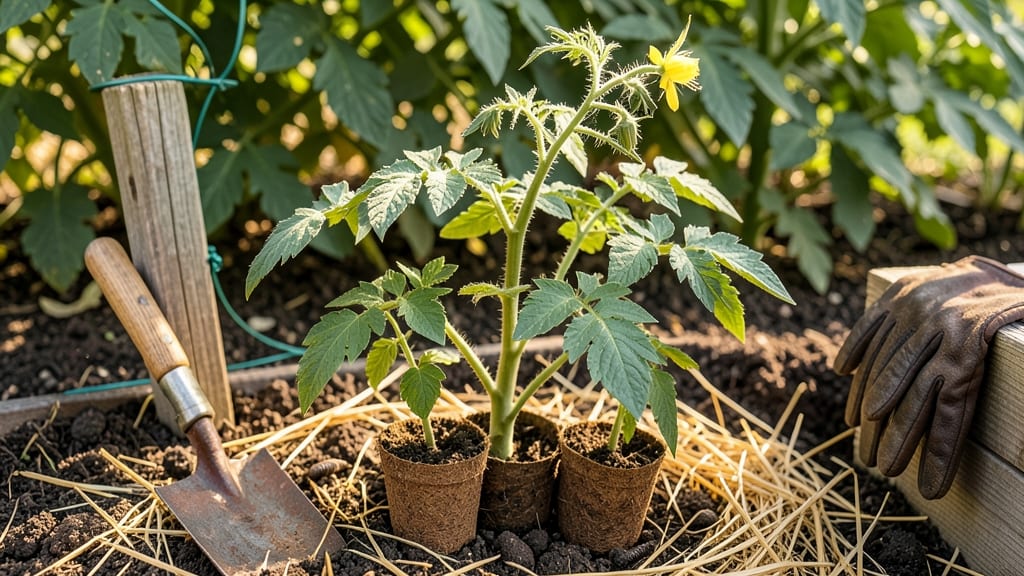
Planting your 🍅 tomatoes at the right time in Illinois could mean the difference between a thriving garden and a sad, frost-nipped disappointment. With the state's 5b-6a climate and unpredictable spring weather, knowing exactly when to start seeds indoors or transplant seedlings outdoors is crucial for a successful harvest.
Most Illinois gardeners wait until mid-April to early June to plant tomatoes after the last frost, but timing varies by region. Chicago's cooler microclimates may need to wait until late May, while Southern Illinois can start earlier.
The key is ensuring soil temperatures stay above 50°F and nighttime temps remain frost-free.
Whether you're growing early varieties like 'Mountain Merit' or heat-tolerant types like 'Solar Fire,' getting the timing right ensures your plants have enough time to mature before fall frost sets in.
I'll walk you through the exact frost-date cheat sheet tailored to your Illinois zone and share pro tips to extend your harvest season.
Ready to grow juicy, homegrown tomatoes? Let's dive into the perfect planting schedule that works for your Illinois garden, so you can enjoy fresh 🍅 from July through October without the guesswork.
Illinois frost dates by zone: the exact weeks to plant tomatoes safely
Planting tomatoes in Illinois isn’t just about grabbing seeds in spring—it’s about timing your moves to dodge frost and maximize growing season. The state spans USDA Zones 5b-6a, meaning frost dates vary wildly from Chicago’s chilly April 15 average to Southern Illinois’ slightly earlier mid-April thaw.
One wrong move, and your tomato seedlings could turn into frost-killed sad sacks.
Your first rule: Wait until soil temps hit 60°F+ and nighttime lows stay above 50°F. Cold soil stunts roots, and frost? That’s a death sentence for tender tomato plants.
Below, I’ll break down the exact weeks to plant by zone, plus how to adjust for your local microclimate—whether you’re in Chicago’s urban heat islands or rural Southern Illinois.
🌱
🌱 Illinois Tomato Planting Timeline by Zone
| Zone/Region | Avg. Last Frost | Soil Temp Threshold | Planting Window | Harvest Window |
|---|---|---|---|---|
| Northern IL (Chicago, Rockford) - Zone 5b | April 15 | 60°F+ | May 1–15 (after frost) | July–October |
| Central IL (Springfield, Peoria) - Zone 5b/6a | April 1–10 | 60°F+ | April 25–May 10 | June–October |
| Southern IL (Carbondale, St. Louis) - Zone 6a | March 25–April 5 | 55°F+ (earlier varieties) | April 10–25 | June–November |
Pro Tip: Use a soil thermometer—don’t guess! Cold soil delays growth.
If you’re starting seeds indoors, begin them 6–8 weeks before your last frost date. For Northern Illinois, that’s early March; for Southern Illinois, late February. Use grow lights or a sunny windowsill—tomatoes need 12+ hours of light daily to avoid leggy seedlings.
For transplanting outdoors, harden off seedlings first: move them outside for 2–3 hours daily, increasing time over 7–10 days. This toughens them up for Illinois’ unpredictable spring weather. Pro move: Use black plastic mulch to warm soil faster and suppress weeds.
🌡️
Here’s the non-negotiable rule: Never plant tomatoes before May 1 in Northern Illinois—even if your neighbor did. Early plantings risk frost damage and blossom drop (when flowers fall off due to cold stress).
Instead, opt for fast-maturing varieties like ‘Stupice’ (55 days) or ‘Mountain Merit’ (60 days) if you’re eager for an early harvest.
In Southern Illinois, you’ve got 2 extra weeks to play with, but don’t get cocky. A late April frost can still sneak up—check the National Weather Service for your local 10-day forecast before planting.
And if you’re in St. Louis or Carbondale, consider succession planting: add a second batch of seeds 4–6 weeks after your first planting for a longer harvest.
🌿
One last secret: Urban gardeners in Chicago can sometimes plant 1–2 weeks earlier thanks to the urban heat island effect (pavement and buildings trap heat). But rural areas may need to wait a full week longer—soil stays cold longer in open fields.
Always test your soil with a thermometer before planting.
Now that you’ve got the perfect planting window, let’s talk tomato varieties that thrive in Illinois’ climate—next up, I’ll share my top picks for fast growers and heat lovers that’ll give you tomatoes until October (or even later with a few tricks!).
Best tomato varieties for Illinois: fast-growing vs. heat-tolerant picks
Choosing the right tomato variety for Illinois is half the battle—especially when you’re juggling short growing seasons in the north and sweltering summers in the south. Some varieties mature in 60 days, while others resist heat stress or disease pressure common in Illinois gardens.
I’ve tested these top picks over years in my own plots, and they consistently deliver for gardeners in USDA Zones 5b-6a.
Start with early varieties like 'Stupice' (a heirloom that sets fruit fast) if you’re in Zone 5b (e.g., Chicago). For Southern Illinois (Zone 6a), opt for heat-tolerant types like 'Solar Fire', which thrives when temps hit 90°F+.
Disease resistance is also key—'Defiant PhR' fights off verticillium wilt and fusarium, two common Illinois villains.
🌱 Pros & Cons: Fast-Growing vs. Heat-Tolerant Tomatoes
- Pros: Ready in 60-70 days, great for short seasons
- Cons: Struggle in heat >85°F, lower yield
- Pros: Thrive in 90°F+, longer harvest window
- Cons: Slower to mature (80-90 days)
- Pros: Fight fungal diseases, ideal for humid summers
- Cons: Flavor may be less intense than heirlooms
Don’t overlook determinate vs. indeterminate growth habits—this affects both space and harvest timing. Determinate varieties (like 'Roma') produce fruit in one flush and stay compact (3-4 ft tall), perfect for container gardening or small plots. Indeterminate types (like 'Brandywine') vine continuously and need trellising, but reward you with a longer harvest if planted early.
For Chicago gardeners, I recommend staggering plantings: start with 'Early Girl' (70 days) in late April, then add 'Better Boy' (80 days) in early May. In Southern Illinois, focus on heat-setters like 'Heatmaster'—they’ll keep producing when other plants bolt.
Always check seed packets for "days to maturity" and subtract your last frost date to estimate your window.
Pro tip: Pair fast varieties with slow varieties for a staggered harvest. For example, plant 'Stupice' (60 days) alongside 'Cherokee Purple' (85 days). This way, you’re not left with a glut of tomatoes all at once—and you’ll have fresh slices from July through October.
Finally, consider local seed swaps or nurseries like Prairie Moon Nursery (Wisconsin) for regionally adapted seeds. I’ve had the best luck with their 'Illini Yellow' variety—it’s a local heirloom that thrives in Illinois’ humid summers without fuss.
Just remember: soil warmth matters more than air temperature, so use a soil thermometer to confirm 60°F+ before planting.