
Plants
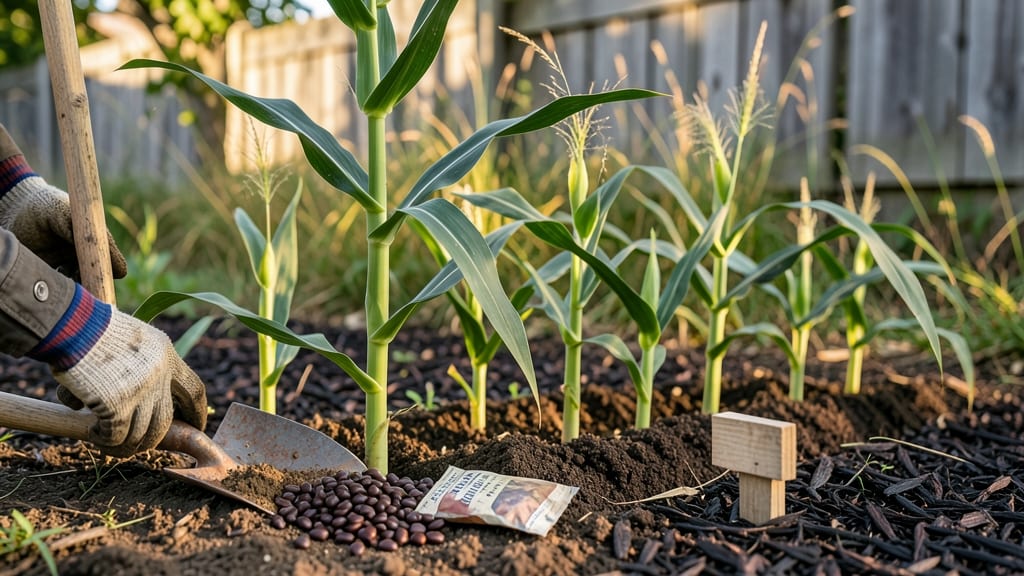
Timing your Corn 🌽 planting in Oregon isn’t one-size-fits-all—coastal fog can delay your start by weeks compared to the Willamette Valley’s milder springs. Get it wrong, and you’ll either face frost nibbling tender shoots or watch your harvest shrink before peak sweetness arrives.
I’ve spent years growing Corn 🌽 across Oregon’s microclimates, and the difference between a bumper crop and a disappointment often comes down to just 10-14 days of perfect timing.
Whether you’re in the rainy west or the high desert’s dry heat, knowing when to plant means the difference between silky kernels and tough, starchy disappointment.
Let’s break down the exact windows you need for your region—plus the soil temperature secrets that’ll ensure your seeds sprout strong. You’ll also discover which Corn 🌽 varieties thrive in Oregon’s short summers and how to stretch your growing season without risking frost.
Ready to grow Corn 🌽 that’s sweeter and more abundant than store-bought? The key starts with the calendar—and I’ll show you exactly how to use it.
Oregon corn planting dates by microclimate: coastal vs. Willamette Valley vs. high desert
Oregon’s three distinct growing zones create wildly different planting windows for corn. The coastal region (Zones 7b-9a) faces late spring frosts and cooler soils, while the Willamette Valley (Zones 7b-8a) offers a moderate climate, and the high desert (Zones 5b-7a) has earlier springs but intense summer heat.
For all regions, soil temperature is your best guide—corn thrives when soil reaches 60°F (15°C) at 4-inch depth. Use a soil thermometer to avoid planting too early. Coastal gardeners should wait until mid-May to early June, while high-desert growers can start as early as late April.
Here’s how to match your microclimate to the perfect planting window:
Pro tip: In the Willamette Valley, aim for two plantings—one in late April for early harvests and another in early June for fall corn. This staggered approach ensures a steady supply of fresh ears.
High-desert gardeners should mulch heavily to retain moisture during Oregon’s hot, dry summers. Use black plastic mulch or straw to keep roots cool and hydrated. Avoid planting after June 15, as corn needs 90–120 days to mature before fall frosts arrive.
Coastal growers face the biggest challenge: fog and slow soil warming. Extend your season by using row covers or planting in raised beds filled with compost. If you’re near the coast, wait until after May 15—earlier plantings risk cold soil and poor germination.
Remember: Corn is heat-loving but frost-sensitive. In all regions, ensure your plants reach tasseling stage (when pollen appears) before the first 28°F (-2°C) frost. Use frost cloth if late-season heatwaves threaten your harvest.
For southern Oregon (e.g., Medford, Ashland), you can push planting to early July for a fall harvest, but prioritize drought-tolerant varieties like Bodyguard or Pioneer brands. These handle water stress better than standard sweet corn.
🌽
Best corn varieties for Oregon gardens and their ideal planting times
Oregon’s diverse microclimates demand corn varieties that thrive in everything from coastal chill to high-desert heat. Choosing the right type ensures sweet, tender ears without wasted effort. My top picks balance maturity speed, disease resistance, and regional adaptability.
For coastal gardens (Zones 7-9), prioritize early-maturing varieties like 'Ambrosia' (70-day harvest) or 'Silver Queen' (80 days). These handle cooler soils better and avoid late-spring frosts. In the Willamette Valley, 'Peaches and Cream' (85 days) shines with its sweet flavor and drought tolerance.
High-desert growers (Zones 4-6) should plant heat-tolerant varieties like 'Black Aztec' (90 days) or 'Country Gentleman' (100 days). These flour corn types handle dry heat and short seasons better than sweet corn. Popcorn lovers can try 'Stowell’s Evergreen' (95 days), which thrives in warmer microclimates.
| Variety | Type | Days to Harvest | Best Planting Window | Oregon Region |
|---|---|---|---|---|
| Ambrosia | Sweet | 70 | Late April–May | Coastal |
| Silver Queen | Sweet | 80 | May–June | Willamette Valley |
| Peaches and Cream | Sweet | 85 | Mid-May–June | Willamette Valley |
| Black Aztec | Flour | 90 | Late May–June | High Desert |
| Stowell’s Evergreen | Popcorn | 95 | June–July | High Desert |
Planting times shift based on variety maturity. Early types (like 'Ambrosia') can go in as soon as soil reaches 50°F, while late varieties need 60°F+ soils to avoid stunted growth. I recommend testing soil with a thermometer—corn roots struggle below 55°F.
For succession planting, stagger seeds every 2 weeks to enjoy continuous harvests. In cooler zones, opt for shorter varieties (under 6 feet) to avoid wind damage. Tall types (8+ feet) thrive in sheltered Willamette Valley spots.
Pro tip: Save seeds from your best ears for next year! Dry them fully (30% moisture) and store in a cool, dark place. This ensures region-adapted varieties for future seasons. 🌽