
Plants
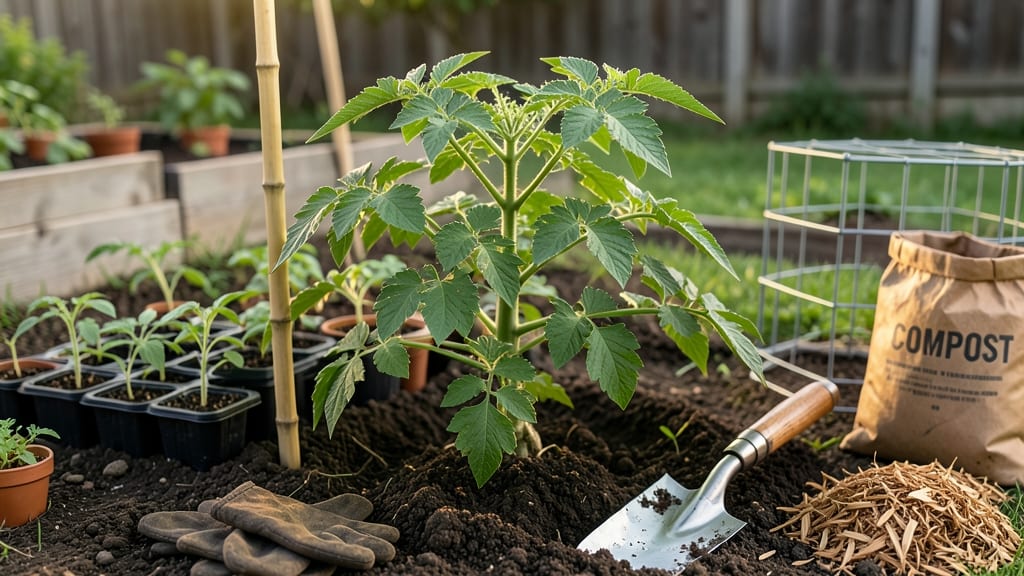
If you’ve ever wondered when do you plant tomatoes in Virginia, you know the stakes are high—late frost or poor timing can turn a thriving garden into a sad, wilted memory.
With Virginia’s 6a-8a zones, getting the planting window right means the difference between a bountiful harvest and wasted effort. Most gardeners wait until mid-April to early June, but that’s just the start. Soil temperature, nighttime lows, and even your tomato variety play a role in when to plant.
Too soon, and frost will strike; too late, and your plants may never recover from the heat. Let’s break down the exact timing and strategies to ensure your tomatoes thrive from seed to vine.
Whether you’re starting seeds indoors or transplanting seedlings, knowing when to put them in the ground is critical. We’ll cover how to read Virginia’s frost dates, choose the right varieties, and prepare your soil for peak performance. Skip the guesswork and plant with confidence—your future salads will thank you.
Ready to turn your garden into a tomato powerhouse? By the end, you’ll know not just when to plant, but how to give your tomatoes the best possible start. Let’s get those seeds in the ground the right way.
Virginia’s tomato planting zones: frost dates, hardiness, and heat-loving varieties
Virginia’s diverse climate—spanning USDA zones 5a to 8a—means tomato planting times vary dramatically from the cooler mountains to the warmer Tidewater region. In zone 5a (Appalachian Highlands), gardeners wait until late May for safe transplanting, while zone 8a (Tidewater/Northern Neck) allows mid-April starts.
The key? Last frost dates and soil warmth, not just calendar months.
For most of Virginia, the average last frost falls around April 15, but microclimates shift this window. Northern Virginia (zone 7a) typically sees frost until April 20, while Richmond (zone 7b) warms up by April 10.
Use the USDA Plant Hardiness Map or local Cooperative Extension data to pinpoint your exact zone—this determines whether you’ll plant early varieties in April or wait until May.
Heat-loving tomato varieties thrive in Virginia’s climate, especially those bred for short-day conditions and high humidity.
Top picks include 'Celebrity' (disease-resistant, 70-day harvest), 'Better Boy' (large beefsteak, 80 days), and 'Solar Fire' (heat-tolerant, 65 days). Cherry tomatoes like 'Sweet 100' also excel in Virginia’s heat, ripening faster in 70–75 days.
Soil temperature is more critical than air temperature—tomatoes won’t thrive until the soil reaches 60°F.
Use a soil thermometer to monitor warmth, especially in sandy soils (common in coastal Virginia) that heat up faster. Black plastic mulch can raise soil temps by 5–10°F, giving you a 2–3 week head start on planting.
Virginia Tomato Planting Guide by Zone
| USDA Zone | Last Frost Date | Safe Planting Window | Recommended Varieties | Soil Prep Tip |
|---|---|---|---|---|
| 5a (Mountains) | May 1–15 | Late May–June 1 | 'Stupice,' 'Mountain Merit' | Add compost; use cold frames |
| 6a (Piedmont) | April 15–30 | Early May–June 1 | 'Celebrity,' 'Early Girl' | Test pH (6.0–6.8); mulch |
| 7a (Northern VA) | April 10–20 | Mid-April–May 15 | 'Better Boy,' 'Brandywine' | Warm soil with black plastic |
| 8a (Tidewater) | March 20–April 5 | March 30–May 1 | 'Solar Fire,' 'Sweet 100' | Drainage check; sand amendment |
Note: Adjust for microclimates (e.g., urban heat islands plant 1–2 weeks earlier).
If you’re starting seeds indoors (a common strategy in zone 5a–6a), begin 6–8 weeks before your last frost date.
For zone 7a–8a, you can direct-sow after April 15 if soil is warm enough. Seedling shock is less of an issue when transplanting into well-prepared beds with compost and mulch already in place.
For fall planting, some Virginia gardeners try a late-summer crop using quick-maturing varieties like 'Early Girl' (50 days). Plant August 1–15 for a harvest before the October 15 first frost. However, this requires disease-resistant seedlings and intensive care to outpace fungal pressures.
Pro tip: Use row covers to extend your season by 2–3 weeks in spring or fall. These lightweight fabrics protect young plants from late frosts and early chills, letting you plant 2–3 weeks earlier than the standard window. Just remove covers when flowers
Step-by-step guide: when and how to plant tomatoes in Virginia’s climate
Virginia’s spring planting window for tomatoes opens when soil temperatures hit 60°F and nighttime lows stay above 50°F. For most regions, this lands between mid-April and early June, but urban areas like Richmond may wait until late April, while Roanoke can start earlier.
My rule of thumb? Wait until the last frost date has passed—check your local USDA zone for precision.
Deciding between transplanting seedlings or direct sowing seeds depends on your timeline. Seedlings give you a head start, but direct sowing saves money. I recommend starting seeds indoors 6-8 weeks before your last frost date, then hardening them off before transplanting. For Virginia, that means mid-March starts for late-April planting.
Here’s my proven planting timeline for Virginia gardeners, whether you’re using seedlings or seeds:
- 📅 March 15-April 15: Start seeds indoors (6-8 weeks before last frost) or order seedlings from a local nursery.
- 🌡️ April 1-May 1: Harden off seedlings (acclimate to outdoor temps) for 7-10 days if transplanting.
- 🌱 Mid-April to early June: Plant seedlings or direct sow seeds after soil reaches 60°F and nighttime temps stay above 50°F.
- 🪴 First 2 weeks: Use black plastic mulch to warm soil faster and suppress weeds. Water at the base to avoid wetting leaves.
- ☀️ June-August: Provide cages or stakes for indeterminate varieties (e.g., 'Better Boy') to support growth. Prune suckers for better airflow.
For container gardening—perfect for urban Virginia gardeners—choose 5-gallon pots or larger. Fill with a mix of potting soil and compost, and place containers in full sun. My balcony tomatoes in Arlington thrive in black fabric pots with self-watering reservoirs.
After planting, focus on consistent moisture and mulching. Tomatoes need 1-2 inches of water weekly, delivered in the morning to prevent fungal diseases. I swear by straw mulch to retain moisture and keep soil temps steady—especially during Virginia’s humid summers.
Pro tip: If you’re eager for an early harvest, try fast-maturing varieties like 'Early Girl' (55 days) or 'Stupice' (60 days). For a longer season, opt for indeterminate types like 'Solar Fire' (80+ days), which keep producing until frost.
Just remember: patience pays off—rushing leads to blight or stunted growth.
🌱