
Plants
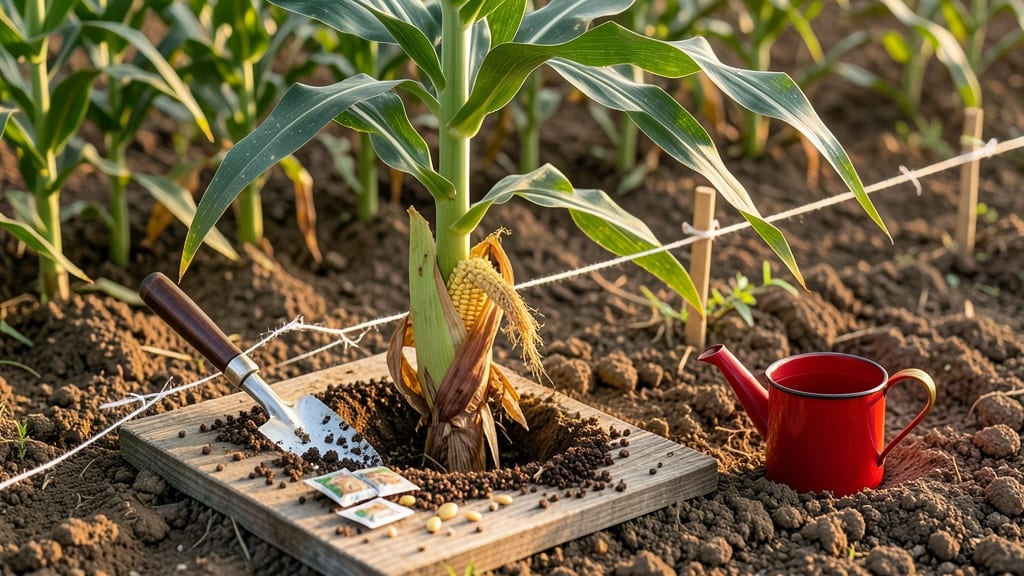
Timing your corn planting in Pennsylvania can make the difference between a bountiful harvest and wasted effort—especially when spring weather throws curveballs.
The right window ensures your 🌽 seeds germinate quickly and thrive, but planting too early in cold soil or too late in the season can leave you with stunted plants or no harvest at all.
Most Pennsylvania gardeners aim to plant corn between mid-April and early June, aligning with USDA Zone 6a frost dates and soil temperatures of at least 60°F.
However, regional variations—like the cooler climates of Pittsburgh versus Philadelphia’s slightly warmer microclimate—mean you’ll need to adjust your schedule based on your local last-frost averages and weather forecasts.
In this guide, I’ll break down the exact frost-date rules for Pennsylvania’s growing zones, share proven strategies for handling late frosts or unpredictable weather, and recommend the best corn varieties for your region. Whether you’re a first-time gardener or a seasoned grower, these insights will help you maximize your yield.
From soil prep to companion planting with beans and squash, we’ll cover everything you need to know to avoid common mistakes—like planting too early—and set your corn up for success from seed to harvest.
Pennsylvania corn planting dates by frost zone and soil temperature
Timing your corn planting in Pennsylvania hinges on two critical factors: frost-free dates and soil temperature. Corn is sensitive to cold soil, and planting too early can stunt germination or invite rot.
Most of Pennsylvania falls within USDA Zones 5a-7a, with last frost dates ranging from mid-April in southern regions to early May in the north.
For reliable results, wait until the soil warms to at least 60°F (15°C) 1-2 inches deep—a threshold that typically aligns with late April to early May in most areas.
In southern PA (e.g., Philadelphia, Reading), where last frosts occur around April 15, you can start planting sweet corn as early as mid-April if soil temperatures cooperate.
However, in northern PA (e.g., Erie, Scranton), where frosts linger until May 1, delay planting until late April to early May to avoid cold damage. Rural areas and higher elevations may require even later dates—always check your local Penn State Extension frost maps for precision.
Corn thrives in warm soil, and cold, wet conditions can lead to poor germination or seed rot. Use a soil thermometer to monitor temperatures—plant only when the ground consistently stays above 50°F (10°C) for 2+ weeks.
In Pennsylvania’s variable climate, this often means waiting until after Mother’s Day (May 10) in cooler regions, even if frosts have passed.
For a successful harvest, aim to plant corn when there are 90-120 days left until your area’s first frost. In southern PA, this window opens in late April to early May, while northern growers should plant between mid-May and early June.
Staggered plantings every 10-14 days can extend your harvest season, ensuring fresh ears from late July to October.
Here’s a quick reference for Pennsylvania’s corn planting zones and ideal soil conditions:
| Region | USDA Zone | Last Frost Date | Ideal Planting Window | Soil Temp Threshold |
|---|---|---|---|---|
| Southern PA (Philadelphia, Reading) | 6b-7a | April 15 | Mid-April to early May | 60°F+ (15°C) |
| Central PA (Harrisburg, Lancaster) | 6a-6b | April 25 | Late April to early May | 60°F+ (15°C) |
| Northern PA (Pittsburgh, Erie) | 5b-6a | May 1 | Late April to early June | 60°F+ (15°C) |
| Rural/High Elevation (Poconos, Alleghenies) | 5a-5b | May 10 | Early May to mid-June | 65°F+ (18°C) |
Corn seeds germinate best in warm, moist soil, so consider using black plastic mulch or row covers to accelerate soil warming in cooler regions.
If you’re unsure about your local frost dates, consult the Penn State Agricultural Extension or use a frost calendar app like Old Farmer’s Almanac for real-time updates. Planting too early in cold soil can delay germination by weeks, reducing your harvest window.
For direct-sown corn, which is the standard method, space seeds 1 inch deep and 6-12 inches apart in rows 24-36 inches apart. Corn is wind-pollinated, so planting in blocks (not single rows) improves pollination and yield.
If you’re growing field corn for livestock, opt for denser spacing (4-6 inches apart) to maximize grain production.
One common mistake in Pennsylvania is planting corn too late due to hesitation about frost. While late plantings can still produce ears, they often result in smaller, less sweet corn with a shorter harvest window.
Balance patience with action—once soil temperatures hit 60°F consistently, it’s time to plant! Use a seedling heat mat for a few weeks if early planting is critical in your area.
Pro tip: Test your soil’s pH (6.0-7.0) and nitrogen levels before planting. Corn is a heavy feeder, so amend soil with compost or aged manure and a
How to adjust corn planting for Pennsylvania’s unpredictable weather patterns
Pennsylvania’s spring frost dates can shift by weeks, making corn planting a moving target. If you’ve ever watched late frosts wipe out tender seedlings or heavy rains turn your garden into mud, you know the stakes.
The key is flexibility—having a backup plan for delayed planting and frost protection strategies to safeguard your crop.
Start by monitoring soil temperatures at a depth of 2 inches. Corn seeds need consistent warmth of at least 50°F (10°C) for 2 weeks before planting, but 60°F (15°C) is ideal for germination.
Use a soil thermometer to track progress, especially in northern PA regions like Erie or Scranton, where cold snaps linger longer.
If unexpected frosts threaten after planting, cover seedlings with row covers or old bedsheets secured with bricks. For early-season protection, consider black plastic mulch to warm the soil faster.
In southern PA (e.g., Philadelphia), where heat arrives earlier, prioritize shade cloth during extreme heat waves to prevent kernel abortion.
⚠️ Warning: Late Planting Risks
Planting corn after June 1 in PA risks shorter stalks, smaller ears, and lower yields. Late-season varieties (e.g., 'Golden Bantam') may mature before first frost, but they’re still vulnerable to drought stress and pests like corn earworm.
For backup planting dates, choose fast-maturing varieties (e.g., 'Ambrosia' or 'Early Sunglow') with 60-70 day harvest times. If your primary planting fails, sow these late May to early June, accepting slightly reduced yields.
Pair them with companion plants like beans or squash to improve soil nitrogen and deter pests.
Another trick is staggered planting: Sow half your seeds at the ideal time and half 1-2 weeks later. This spreads out your harvest window and reduces the impact of weather setbacks.
For example, plant 30% of seeds in mid-April (if frost-free) and the rest in early May as a safety net.
Finally, keep an eye on Penn State Extension forecasts for localized alerts on frost risks. Their PA Weather Forecast tools (like AgWeatherNet) provide real-time soil moisture and temperature data tailored to your county. Armed with this intel, you can adjust your planting strategy week-to-week and maximize your corn’s potential.