
Plants
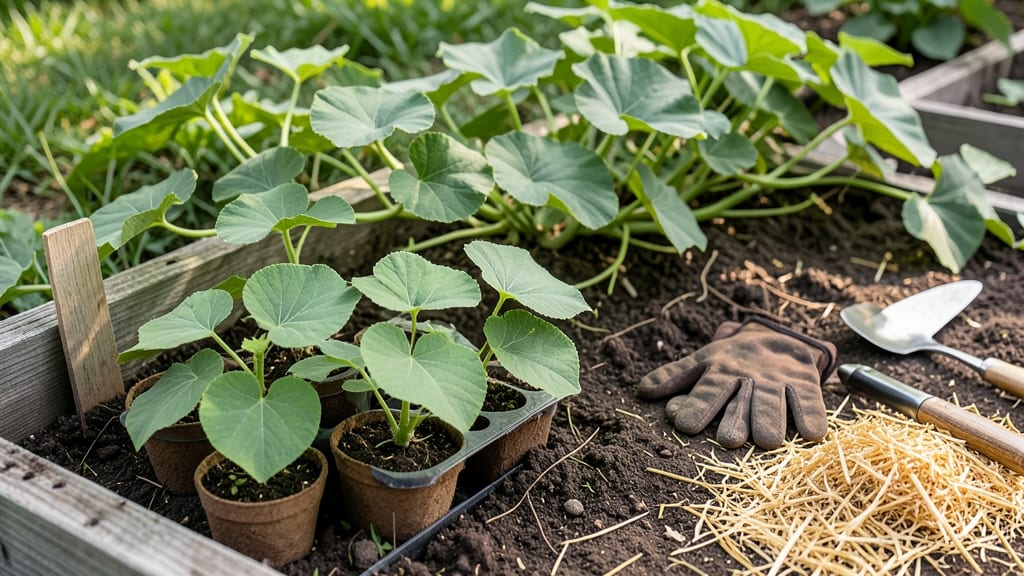
Planting pumpkins in Pennsylvania isn’t just about waiting for spring—it’s about mastering the soil temperature game to avoid bitter disappointment when your vines bolt before producing fruit.
With USDA zones 5b-7a bringing unpredictable frost dates, timing your 🎃 seeds right after the last frost (typically late April) is just the first step.
The real secret lies in waiting until the soil hits a steady 60°F—cold soil delays germination, while warm soil speeds it up. Skipping this step means risking weak starts or plants that race to flower before they’re ready.
I’ll show you how to test soil temps like a pro and adjust for Pennsylvania’s regional quirks.
Whether you’re growing summer squash or giant jack-o’-lanterns, the right timing also depends on your variety’s maturity—85-120 days to harvest means counting backward from your first frost (usually mid-October). Let’s break down the exact window and tricks to extend your growing season, so you’re not left with half-sized pumpkins.
From starting seeds indoors to direct sowing outdoors, I’ll walk you through the best methods for your climate. Ready to turn your patch into a thriving 🎃 haven? Let’s get planting—correctly.
Pennsylvania pumpkin planting timeline by soil temperature (not calendar dates)
Forget guessing by the calendar—soil temperature is the real game-changer for Pennsylvania pumpkin success. While most gardeners focus on frost dates, pumpkin seeds need consistent warmth (50-60°F) to germinate properly.
In PA’s variable climate, this can mean planting 2-3 weeks earlier in the southeast (like Lancaster) than in the cooler northwest (like Erie).
Cold, damp soil triggers bolting (premature flowering), wasting your effort. I’ve seen pumpkin seeds planted in 45°F soil sprout unevenly or rot—don’t make that mistake! Use a soil thermometer ($10 at garden centers) to check depth (2 inches down). Aim for 60°F for 5+ days before planting.
Here’s the key: Southeast PA (zones 6b-7a) typically hits ideal temps by mid-May, while northwest PA (zones 5b-6a) often waits until late May to early June.
Even a 10°F swing can delay germination by a week. Pro tip: Warm your soil faster with black plastic mulch laid 1-2 weeks before planting.
Timing also depends on your pumpkin’s days to maturity. Fast varieties like ‘Jack Be Little’ (75 days) can handle later starts, while giant varieties like ‘Atlantic Giant’ (120+ days) need early planting. In PA, late May is safest for most varieties—balance your risk!
| Region | Avg. Last Frost | Ideal Planting Window | Soil Temp Goal | Notes |
|---|---|---|---|---|
| Southeast PA (Lancaster, Philly) | Mid-April | Mid-May to early June | 60-65°F | Warmest zone; can plant earlier |
| Central PA (Harrisburg, State College) | Late April | Late May | 55-60°F | Moderate risk of late frosts |
| Northwest PA (Erie, Pittsburgh) | Late April | Early to mid-June | 60°F+ (wait longer) | Coolest zone; use row covers |
If you’re still unsure about soil temps, start seeds indoors 2-3 weeks before your target outdoor date. Use biodegradable pots to transplant seedlings after the last frost (usually mid-May in most of PA). I’ve had great success with this method in Zone 6a—it buys you critical growing time.
One more trick: Plant pumpkins in hills (not rows) to improve drainage and warmth. Mound soil into 12-inch-high hills, space them 6 feet apart, and plant 3-4 seeds per hill.
This raises the soil temperature faster than flat beds. Just remember: Hills dry out quicker, so mulch heavily with straw.
Watch for false starts—pumpkin seeds may sprout with cool nights but die back if temps drop again. If this happens, wait 10 days before replanting. In my garden, this saved a ‘Cinderella’ patch in 2022 when a late frost hit in early June.
For winter squash (like butternut), you can plant slightly later (June), but summer pumpkins need that early start. Test your soil’s pH (6.0-6.8) too—low pH delays germination. Amend with lime if needed before planting.
Pro move: Mark your calendar for July 4th weekend—this is when most PA pumpkins start flowering. If you haven’t seen blooms by then, you may need to replant or use companion plants (like borage) to attract pollinators.
Finally, harvest before the first frost (usually mid-October in PA). Cured pumpkins last months, but frost-damaged fruit spoils quickly. Store them in a cool, dry place (50-55°F) for winter.
Pennsylvania pumpkin planting timeline by soil temperature (not calendar dates)
Pennsylvania’s soil temperature is the real game-changer for pumpkin success—not just the calendar date. While most gardeners wait for last frost dates (typically mid-April in most regions), pumpkin seeds need consistent warmth to germinate.
In USDA zones 5b-7a, this usually means waiting until late May to early June, when soil reaches 50-60°F.
Cold soil causes seeds to rot or sprout unevenly, leading to bolting (premature flowering) or stunted growth. The southeastern PA (like Philadelphia) often warms up 1-2 weeks earlier than the northwest (Erie), so adjust accordingly.
For example, Lancaster County gardeners can plant by May 20, while Pittsburgh areas may need to wait until June 5.
| Stage | Soil Temp | PA Region | Action |
|---|---|---|---|
| Seed Germination | 50-60°F | Southeast (May 20) | Plant seeds 1" deep |
| Seed Germination | 50-60°F | Northwest (June 5) | Plant seeds 1" deep |
| Transplant | 60°F+ | All regions | Hardy seedlings after frost |
| Harvest | N/A | Late Sept-Oct | Rind hard, color deep |
To test soil temperature, use a soil thermometer buried 2 inches deep in a shady spot. Check readings for 3 consecutive days at 10 AM—this mimics your planting time. If temps dip below 50°F at night, delay planting or use black plastic mulch to warm the soil faster.
For direct-sown pumpkins, aim for late May to early June in most of PA. If you’re growing winter squash varieties like 'Jack Be Little', you can plant 2 weeks earlier since they mature faster (75 days vs. 100+ days for giant pumpkins).
Always space seeds 2-3 feet apart in hills to prevent disease.
Pro tip: Start seeds indoors in biodegradable pots 2-3 weeks before your target outdoor date. Use a heat mat to maintain 75-85°F soil temps for faster germination. Transplant seedlings outdoors only after nighttime temps stay above 55°F consistently.
Remember, bolting (premature flowering) is your worst enemy in PA’s short season. Planting too early in cool soil triggers this survival mechanism, wasting your effort. Stick to the soil temp rule, and you’ll avoid this common mistake.