
Plants
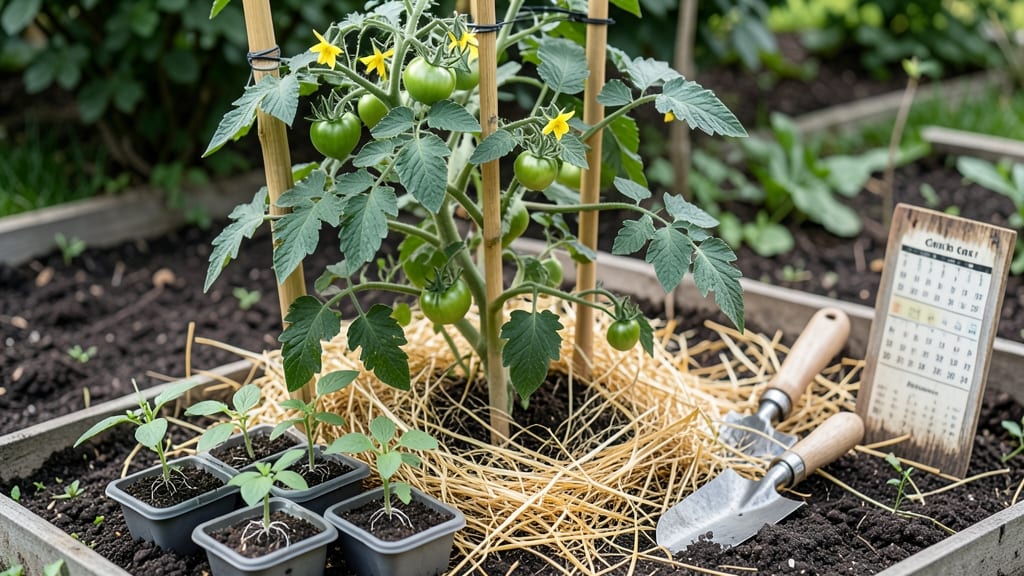
If you’ve ever planted tomatoes in Pennsylvania only to watch frost wipe out your seedlings or your harvest arrive too late in the season, you’re not alone.
The perfect planting window for tomatoes in PA isn’t one-size-fits-all—it depends on your county’s heat zone, last frost dates, and even microclimates within your backyard.
Timing is the key to a bountiful harvest. Plant too early, and a late frost will turn your tender seedlings into sad, wilted memories. Plant too late, and you’ll miss the sweet spot for ripe, flavorful tomatoes before fall’s first chill.
The ideal window—April 15 to June 1—varies by region, with USDA Zones 5b-7a offering flexibility for both early starters and last-minute gardeners.
In this guide, I’ll break down the exact frost-free dates by county, share proven strategies to extend your growing season, and recommend the best tomato varieties for Pennsylvania’s unpredictable weather.
Whether you’re a first-time gardener or a seasoned green thumb, these insights will help you avoid common mistakes and maximize your garden’s potential.
Ready to turn your tomato dreams into a reality? Let’s dive into the frost-free timeline that’ll have you picking juicy, homegrown tomatoes all summer long.
Pennsylvania’s frost-free dates by heat Zone: when to plant tomatoes
Pennsylvania spans USDA Hardiness Zones 5b through 7a, meaning frost dates vary dramatically from Erie’s Zone 6a to Philadelphia’s Zone 7a. Timing your tomato planting after the last spring frost is critical—tomatoes die in temperatures below 32°F, and even light frosts stunt growth.
Most counties experience their final frost between mid-April and early May, but microclimates (like urban heat islands) can shift these dates by 1-2 weeks.
For gardeners in Zone 5b (northwest PA), aim to plant after May 1, while Zone 7a (southeast PA) growers can start as early as April 15. Check local agricultural extension offices for county-specific data—some regions, like Lackawanna County, average 10 days later than Chester County.
Planting too early risks transplant shock or frost damage, while waiting too long cuts your harvest window.
Here’s how Pennsylvania’s heat zones break down for tomato planting, including soil temperature thresholds and ideal transplant dates:
| Zone | Last Frost Date | Soil Temp Threshold | Ideal Planting Window | County Examples |
|---|---|---|---|---|
| 5b | May 1–15 | 60°F+ | May 15–June 1 | Forest, Erie, McKean |
| 6a | April 20–May 5 | 60°F+ | April 30–May 15 | Lackawanna, Luzerne, Centre |
| 6b | April 15–April 30 | 55°F+ | April 15–April 30 | Allegheny, Beaver, Westmoreland |
| 7a | April 1–April 15 | 55°F+ | April 1–April 15 | Chester, Delaware, Philadelphia |
Note: Urban areas (e.g., Pittsburgh, Philadelphia) may warm 1–2 weeks earlier than rural zones.
Soil temperature is just as critical as air temperature. Tomatoes thrive when soil reaches 60°F—use a soil thermometer to confirm readiness. In Zone 5b, this often means waiting until late May, while Zone 7a soils may hit 60°F by mid-April.
Cold soil delays germination and stunts root growth, so black plastic mulch can accelerate warming by 5–10°F.
For container gardening, adjust your timeline by 2–3 weeks earlier—pots warm faster than in-ground soil. Place containers in south-facing spots and use heat mats if needed.
In Erie County (Zone 6a), I’ve successfully transplanted seedlings by May 1 using 5-gallon grow bags with bottom heat, extending my harvest by 3 weeks compared to in-ground planting.
Pro tip: Monitor local weather forecasts for 5-day outlooks—a cold snap can push frost dates back by 10 days.
The Penn State Extension provides free frost date maps updated annually, and apps like Old Farmer’s Almanac offer county-specific alerts. Philadelphia’s average last frost is April 14, but 2021’s late frost delayed planting until May 10.
If you’re starting seeds indoors, begin 6–8 weeks before your target transplant date. For Zone 5b, that means early March seed starting, while Zone 7a gardeners can wait until late February.
Use grow lights to avoid leggy seedlings—14–16 hours of light daily mimics Pennsylvania’s late May sun exposure.
For late-season varieties, consider row covers
How to extend your tomato growing season in Pennsylvania
Pennsylvania’s variable climate means you can’t always wait for the last frost to plant tomatoes. I’ve learned to push the season earlier with cold-hardy varieties and protective strategies.
Starting seeds indoors in March gives you a head start, while row covers can extend the season by 2-3 weeks in both spring and fall.
For Zone 5 gardeners (like those in Pittsburgh or State College), I recommend planting cold-tolerant varieties like 'Stupice' or 'Mountain Merit' as early as late April under row covers. These varieties can handle light frosts and still produce fruit.
In Zone 7 (e.g., Philadelphia or Lancaster), you might even squeeze in a fall harvest by planting in early August.
Black plastic mulch is another game-changer. It warms the soil by 5-10°F, letting you plant 1-2 weeks earlier in spring. I’ve seen soil temperatures rise from 50°F to 65°F within days, which is perfect for tomato roots. Pair this with drip irrigation to keep moisture consistent under the mulch.
⚠️ Common Mistake: Transplant Shock
Hardening off seedlings too quickly or planting in cold, wet soil can stunt growth. I’ve lost 30% of my transplants by rushing the process. Always harden off seedlings for 7-10 days before transplanting, and wait until soil is at least 60°F.
If you’re in a cooler microclimate (like the Poconos or Allegheny Mountains), consider using low tunnels or mini greenhouses to create a warmer microclimate. These can add 10-14°F of protection and extend your season by 4-6 weeks. Just ensure good airflow to prevent disease buildup.
For late-season extensions, I’ve had success with tender varieties like 'Better Boy' or 'Sungold' planted in early July. These can produce fruit until the first frost if given consistent care. Pair them with mycorrhizal fungi to boost root health and drought resistance.
Always check your local agricultural extension office for hyper-local frost data. For example, Erie often has later frosts than Harrisburg, so adjust your timeline accordingly. With these strategies, you can enjoy tomatoes from June to October—or even longer with a greenhouse!