
Plants
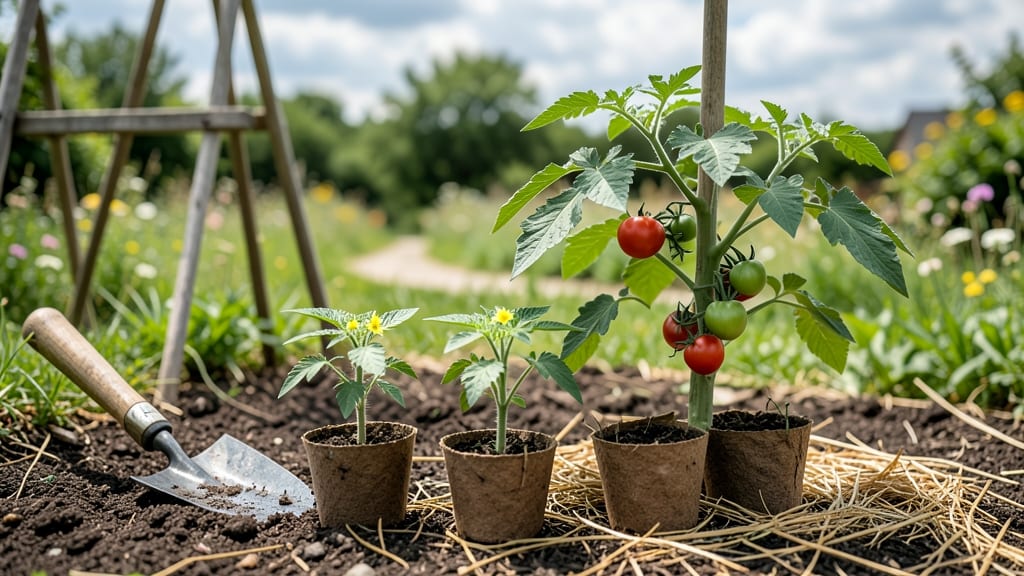
Planting tomatoes in Pennsylvania isn’t just about grabbing seedlings and sticking them in the dirt—it’s about timing your moves perfectly to beat frost and heat waves. With USDA Zones 5b-6b offering a narrow window between late spring and early summer, one wrong move could mean lost plants or stunted harvests.
Whether you’re a first-time gardener or a seasoned pro, knowing exactly when to plant your 🍅 is the difference between a bumper crop and a disappointing season.
The key to success lies in waiting for the last frost date—typically around mid-April—while ensuring soil temperatures hit at least 60°F for those tender roots to thrive.
Transplants can go in as early as late April to early May, but seeds need to wait until mid-May or later to avoid frost damage. In southern PA, you might squeeze in an extra week or two, while northern regions play it safer with later dates.
But here’s the catch: rushing too early or dragging your feet can backfire. Planting too soon risks frost damage, while waiting too long cuts your harvest short before fall’s first chill.
I’ll break down the exact timeline for your zone, plus pro tips to extend your season with containers or succession planting—so you can enjoy homegrown tomatoes from June all the way to October.
Ready to turn your garden into a tomato powerhouse? Let’s dive into the frost-free timeline that’ll have your plants flourishing and your kitchen overflowing with fresh, vine-ripened fruit. No more guesswork—just a foolproof schedule tailored to Pennsylvania’s climate.
Pennsylvania tomato planting timeline by Zone 5b-6b: exact dates for success
Pennsylvania’s diverse climate—from the cool valleys of the Poconos to the urban heat islands of Philadelphia—means your tomato planting window can vary by 2-3 weeks depending on location.
Most of the state falls in USDA Zones 5b-6b, where the last spring frost typically arrives between April 15 and May 15. But don’t just wait for the calendar date: your soil and air temperatures are the real deciding factors for success.
If you’re starting with transplants (the most common method for PA gardeners), aim for mid-April to early May in southern zones like Zone 6b (Philadelphia, Pittsburgh suburbs). In cooler northern areas like Zone 5b (Erie, Scranton), hold off until late April to mid-May to avoid frost damage.
For direct sowing seeds, wait until mid-May to early June when soil temperatures consistently reach 60°F+.
| Zone & Location | Last Frost Date | Transplant Window | Direct Sow Window | Soil Temp Threshold |
|---|---|---|---|---|
| Zone 6b (Philadelphia, Reading) | April 15–May 1 | Mid-April–early May | Mid-May–early June | 60°F+ (consistent) |
| Zone 6a (Harrisburg, Lancaster) | April 20–May 5 | Late April–mid-May | Late May–early June | 60°F+ (consistent) |
| Zone 5b (Erie, Scranton, Poconos) | May 1–May 15 | Late April–mid-May | Early–mid June | 65°F+ (warmer soil needed) |
| Urban Heat Islands (Pittsburgh, Allentown) | April 10–April 25 | Early April–late April | Late April–May 10 | 55°F+ (earlier transplanting possible) |
🌱 Pro Tip: Use black plastic mulch to warm soil faster in cooler zones.
Even within these windows, microclimates play a huge role. For example, Pittsburgh’s urban areas can be 5-7°F warmer than rural zones just 10 miles away, allowing for earlier planting. Meanwhile, valley regions like the Poconos often experience late frosts into May, so err on the side of caution.
Always check NOAA’s local frost data or your county extension office for 3-year averages—they’ll give you the most accurate picture.
For container gardening in PA, you can push your timeline 1-2 weeks earlier because pots warm up faster. Just ensure your containers are at least 12 inches deep and use heat-retentive materials like fabric grow bags.
If you’re in Zone 5b, consider starting transplants indoors in late March to get a head start, then transplant outdoors after the last frost.
One critical mistake I see PA gardeners make is planting based on calendar dates alone. A late April frost in the Poconos can wipe out unprotected seedlings, while soil that’s too cold (below 55°F) stunts root growth.
Always test soil temperature with a soil thermometer—it’s the #1 predictor of success. Aim for 60°F+ for transplants and 70°F+ for direct sowing.
If you’re in southern PA (Zone 6b), you can even try succession planting for a longer harvest. Plant your first batch in mid-April, then add a second batch in early June to extend your season until October’s first frost.
Just choose fast-maturing varieties (like ‘Early Girl’ or ‘Stupice’) for the later planting to ensure they ripen before cold weather sets in.
For northern PA (Zone 5b), focus on short-season varieties like
5 Critical factors that determine your tomato planting schedule in PA
Planting tomatoes in Pennsylvania isn’t just about checking a calendar—it’s about understanding five key factors that can make or break your harvest. The soil temperature is your first clue: tomatoes need soil at least 60°F (15°C) to thrive, and cold soil delays germination or stunts growth.
In Zone 5b, this often means waiting until late May, while Zone 6b gardeners can start as early as mid-April with proper soil warming.
Next, pay attention to nighttime temperatures. Tomatoes struggle when nights dip below 50°F (10°C), which can cause blossom drop and reduce fruit set. Early spring plantings in northern PA (like Erie) often face this risk, while southern PA (like Philadelphia) has a longer frost-free window.
Use a frost watch from NOAA or local weather alerts to time your planting perfectly.
Don’t overlook historical weather patterns for your specific microclimate. For example, Pittsburgh’s last frost averages April 25, but rural areas like State College can experience frost as late as May 10.
Urban heat islands in cities like Allentown may allow earlier planting, while mountainous regions (like the Poconos) need to wait longer. Check your local USDA frost map or ask fellow gardeners at your county extension office for insights.
Soil Temperature
Tomatoes need 60°F+ soil to germinate. Use a soil thermometer or black plastic mulch to warm cold soil faster.
Nighttime Temps
Avoid planting when nights drop below 50°F. Use row covers if temps fluctuate.
Local Frost Data
Consult NOAA frost dates or your county extension. Urban areas warm up faster than rural zones.
Your tomato variety also plays a role. Early-maturing varieties (like ‘Early Girl’ or ‘Stupice’) can handle shorter seasons, while heirlooms (like ‘Brandywine’) need 90+ days and should only be planted in Zone 6b.
If you’re in Zone 5b, opt for determinate varieties that produce fruit quickly and compactly. Finally, container gardening extends your season by 2–4 weeks, as pots warm up faster than ground soil.
By mastering these five factors, you’ll avoid the heartbreak of frost-nipped seedlings or blossom drop—and enjoy a bountiful harvest of juicy tomatoes from July to October.
Start with a soil test and monitor your local forecast closely, and you’ll be on your way to tomato-growing success in Pennsylvania! 🌱