
Companion Plants
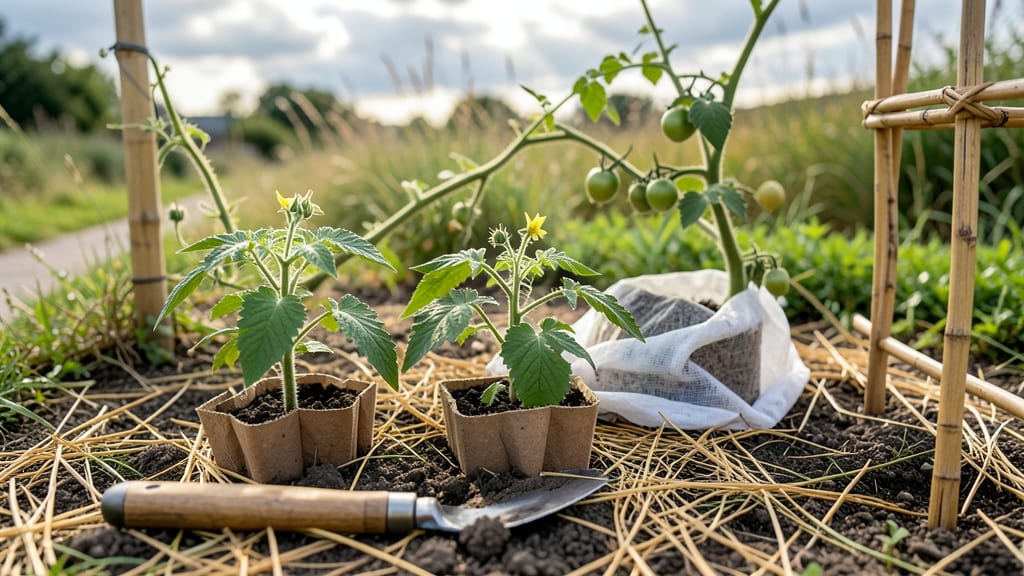
If you're asking "when can I plant tomatoes in Ohio", timing is everything—because those 🍅 plants won’t wait for you. Ohio’s unpredictable spring weather means planting too early risks frost damage, while waiting too long cuts your harvest short.
The sweet spot? After your last frost date, when soil temperatures hit 60°F and nighttime temps stay above 50°F.
For most of Ohio (zones 6a/6b), that window opens around April 15–May 15, but northern Ohio gardeners should hold off until mid-May. Southern Ohio’s milder climate lets you start earlier, but don’t rush—cold soil stunts growth.
Whether you’re transplanting seedlings or sowing seeds, getting this right means bigger yields and juicier tomatoes by summer.
Here’s the game-changer: Ohio’s short growing season demands strategy. Learn how to stretch your harvest with row covers, succession planting, and heat-tolerant varieties like 'Mountain Merit' or 'Celebrity'.
I’ll break down exactly when to plant by zone, plus how to handle Ohio’s infamous late frosts—so you’re not left with wilting vines or empty vines.
Ready to grow tomatoes that thrive? Let’s dive into Ohio-specific dates, soil prep tips, and the 3-step plan to maximize your harvest—no guesswork, just delicious results.
Ohio’s frost-free zones & best tomato planting dates by month
Ohio’s USDA zones 5b–6b create a 100-mile north-south climate divide, meaning Columbus and Cincinnati can plant tomatoes weeks earlier than Toledo or Youngstown. The average last frost date ranges from April 15 in southern Ohio to May 10 in the north, but these dates shift yearly.
For reliable harvests, aim to transplant seedlings 2–3 weeks after your local last frost—when soil temps hit 60°F+.
Most Ohio gardeners start tomatoes indoors by late February (6–8 weeks before transplanting) to give seedlings a head start. Direct-sowing seeds is risky unless you use row covers or a greenhouse—Ohio’s unpredictable spring frosts can wipe out tender seedlings overnight.
Check NOAA’s Frost/Freeze Forecast for your county, or use Ohio State University Extension’s local frost maps to refine your timeline.
🌱 Key Takeaway: Ohio’s short growing season (165 frost-free days) demands early starts and heat-tolerant varieties. Miss the window, and you’ll sacrifice ripe tomatoes before October’s first frost.
Northern Ohio’s shorter season favors determinate (bush) varieties like 'Stupice,' which ripen faster, while southern Ohio can handle indeterminate (vining) types like 'Brandywine' with proper support. For extended harvests, plant succession crops every 2 weeks until early July—this ensures tomatoes ripen before October’s first frost.
Ohio’s microclimates matter too: Urban areas (like Columbus) often warm up faster than rural zones, while lake-effect regions (near Lake Erie) may delay planting by 1–2 weeks.
Monitor local weather stations or ask your county extension office for hyper-local advice. Row covers can push transplant dates 2 weeks earlier by shielding seedlings from late frosts.
If you’re direct-sowing seeds, wait until after May 10 in southern Ohio or June 1 in the north—earlier seeds risk damping-off disease in cold, wet soil.
For container gardening, start transplants 1–2 weeks later than in-ground plants, as pots cool faster at night. Black plastic pots can help retain heat in early spring.
💡 Ohio-Specific Hack: Plant fast-maturing cherry tomatoes (like 'Sweet Million') in July for a late-season harvest before frost. These varieties often ripen in 50–60 days, giving you tomatoes in September when other plants bolt.
How to adjust planting dates for Ohio’s unpredictable weather
Ohio’s unpredictable spring weather can make tomato planting a gamble. While average last-frost dates guide us, late frosts still happen—especially in northern Ohio (USDA Zone 5b). My trick? Use a 3-step risk assessment to adjust planting dates safely.
First, check your local NOAA frost data—Columbus averages April 15, but Toledo might wait until May 1.
Next, monitor soil temperatures. Tomatoes need soil at least 60°F to thrive. A soil thermometer is your best friend—if it’s cooler, delay planting or use black plastic mulch to warm the soil faster. I’ve seen 2-week delays in cooler springs simply by waiting for the right temperature.
Consult Ohio State Extension’s frost-free maps or NOAA’s local averages. Northern Ohio (e.g., Cleveland) often waits 1-2 weeks longer than southern Ohio (e.g., Cincinnati).
Use a soil thermometer to confirm 60°F+. If below, delay planting or use row covers to protect seedlings. I’ve used floating row covers to extend my season by 3 weeks in past years.
Plant heat-tolerant varieties like ‘Mountain Merit’ and use cold frames or hoop houses to push earlier plantings. For late frosts, opt for succession planting—sow a second batch 2 weeks later.
For gardeners in southern Ohio (USDA Zone 6b), you might even try early April plantings under row covers.
But in northeast Ohio (Zone 5b), I’d wait until mid-May unless you’re using a high tunnel. Succession planting is my secret weapon—plant a second batch in late May to ensure a continuous harvest through October.
Don’t forget nighttime temperatures. Tomatoes struggle when nights dip below 50°F. If your forecast shows 40s at night, delay planting or use row covers until temperatures stabilize. I’ve lost three tomato batches to unexpected late frosts—always better to wait than risk it!
Pro tip: Keep a planting journal to track your local frost dates and adjust future years. Over time, you’ll spot patterns—like how 2023’s frost came 2 weeks later than average in my area. Know your microclimate, and you’ll master Ohio’s tomato timing!