
Plants
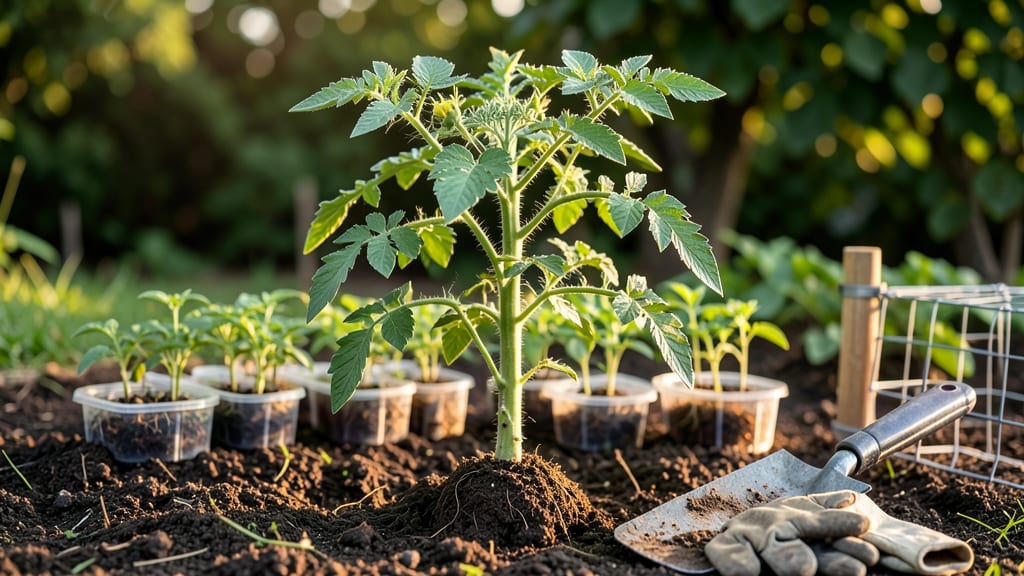
Texas frost-free dates by region: exact planting windows for tomatoes
Texas spans USDA hardiness zones 8a to 10a, meaning frost-free dates shift dramatically from North Texas to South Texas. In cooler zone 8a (like Lubbock), last frost typically hits March 15, while zone 10a (Houston) sees frost-free conditions by January 15.
These dates determine your ideal tomato planting window, which varies by 2-3 months across the state.
For North Texas (8a-8b), aim to plant after March 15—but wait until soil warms to 60°F (usually late March/early April). Central Texas (8b-9a) gardeners can start as early as February 15, while South Texas (9b-10a) offers a longer window from January through April.
Even within regions, microclimates matter: hilltops freeze faster than valleys.
🌱Pro Tip: Use the Texas A&M AgriLife Extension’s frost-free maps to pinpoint your exact last frost date. For example, San Antonio (zone 8b) averages February 28 for last frost, while Amarillo (zone 7b) pushes planting to April 15.
🌱 Texas Tomato Planting Windows by Region
| Region | USDA Zone | Last Frost Date | Ideal Planting Window | Soil Temp Requirement |
|---|---|---|---|---|
| North Texas | 8a-8b | March 15 | Late March–Early April | 60°F+ |
| Central Texas | 8b-9a | February 15 | February–March | 55°F+ |
| South Texas | 9b-10a | January 15 | January–April | 50°F+ |
| West Texas | 8a-8b | March 15 | Late March–April | 65°F+ (dry heat) |
🌡️ Note: Soil temperature is more critical than air temperature—use a soil thermometer to confirm readiness.
If you’re growing cool-season varieties like 'Stupice' or 'Siberian', plant 6-8 weeks before last frost (even in North Texas). For heat-tolerant types such as 'Solar Fire' or 'Heatmaster', wait until April 15 or later in cooler zones to avoid early blossom drop from temperature swings.
💡Key Insight: South Texas gardeners can even plant a second crop in May for a fall harvest, while North Texas should stick to one spring planting. Always check 7-day forecasts before transplanting seedlings—cold snaps can kill young plants overnight.
For container growing, extend your season by 2-3 weeks—pots warm up faster than soil. Place containers in full sun and use black plastic mulch to raise soil temps by 5-10°F. In zone 8a, this can mean the difference between success and failure for early plantings.
🌿Regional Adjustments: East Texas (humid) benefits from disease-resistant varieties like 'Mountain Merit', while West Texas (dry) thrives with drought-tolerant picks such as 'Tiny Tim'. Always match your tomato variety to your local climate for best results.
📅Planting Deadlines: Never plant tomatoes after June 1 in most of Texas—vines struggle to mature before first frost. Exceptions include fast-maturing varieties (e.g., 'Early Girl', 'Patio') planted in July for fall harvests, but yields will be smaller.
🌱Final Tip: Bookmark the Texas Cooperative Extension’s frost date calculator ([link](https://agrilifeextension.tamu.edu)) and monitor local weather alerts. With the right timing, you’ll enjoy homegrown tomatoes from May through October—no matter where you garden in the Lone Star State!
How to adjust planting time for Texas heat waves and early blossom drop
Texas summers hit hard—temperatures can soar to 100°F+ by June, and tomatoes planted too early often suffer from blossom drop or heat stress. The key is staggered planting and heat-resistant varieties to extend your harvest season.
I’ve learned the hard way that rushing seedlings into the garden too soon leads to stunted growth or even plant death.
Start by monitoring soil temperatures—they should stay above 60°F for at least a week before transplanting. Use a soil thermometer to check; if it’s cooler, delay planting or use black plastic mulch to warm the soil faster.
In North Texas (Zone 8a), aim for late April to early May for heat-tolerant varieties like 'Solar Fire' or 'Heatmaster'.
For Central and South Texas (Zones 8b-10a), you can plant earlier—March to early April—but protect young plants with shade cloth (30-50%) during the hottest afternoons.
I’ve had success with row covers or even temporary shade sails to prevent sunscald on leaves. Remove the cover once plants are established and flowering.
Another trick? Stagger your planting by 2-3 weeks. Plant a second batch in late May for a fall harvest before the first frost. This works especially well for indeterminate varieties like 'Celebrity', which keep producing until temperatures drop.
Just be sure to harden off seedlings properly—acclimate them to outdoor conditions over 7-10 days to avoid shock.
Texas heat waves can cause blossom drop in tomatoes. If daytime temps exceed 90°F for more than 3-4 days, pollen production stops, and flowers fall off. To prevent this:
- Choose heat-tolerant varieties (e.g., 'Arkansas Traveler', 'Black Krim').
- Avoid overwatering—soak deeply but infrequently to prevent stress.
- Use mulch to keep roots cool and retain moisture.
If you see dropping flowers, prune suckers aggressively to redirect energy to existing fruit.
Don’t forget to monitor nighttime temperatures—tomatoes need 55-75°F at night for proper pollination. If nights dip below 55°F, use row covers or move potted plants to a sheltered spot.
In West Texas (Zone 8b-9a), where heat arrives early, I’ve had luck with early-maturing varieties like 'Mountain Merit' planted in February under shade cloth.
Finally, adjust your watering schedule during heat waves. Deep watering early in the morning (before 10 AM) reduces evaporation and fungal risks. If your tomatoes show signs of stress—yellowing leaves or wilting—cut back on fertilizer and focus on hydration and shade.
With these adjustments, you can push your harvest season well into October or November in most of Texas!