
Plants
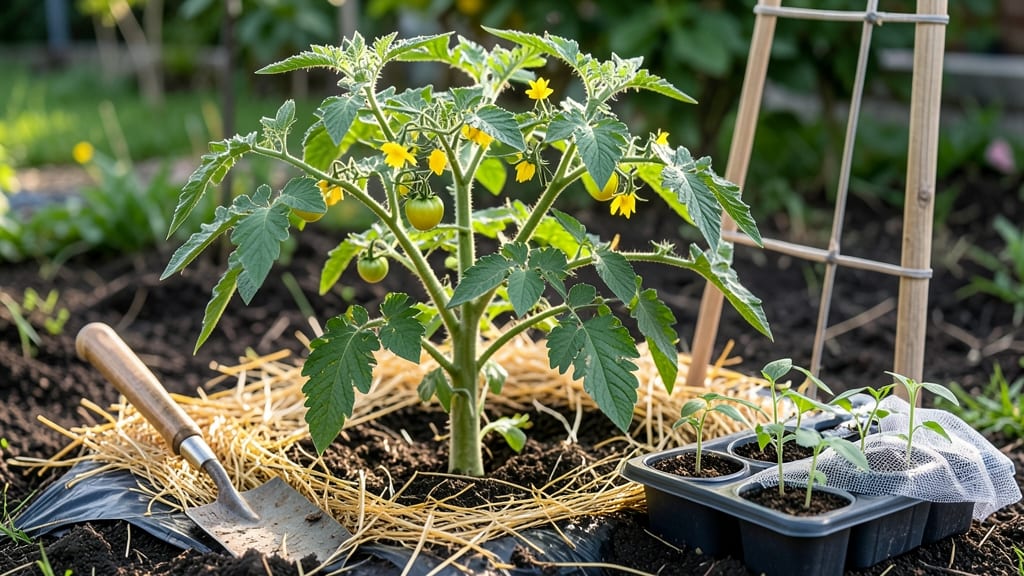
Ohio’s last frost dates by Zone: critical planting windows for tomatoes
Ohio’s tomato planting success hinges on understanding your USDA hardiness zone and local microclimates. The state spans Zones 5b to 6b, with last frost dates ranging from early April in southern regions to late May in the northern highlands.
These variations mean your neighbor’s ideal planting window might not work for your garden.
For Zone 5b (most of Ohio), the average last frost date is April 15, while Zone 6a (southern Ohio) typically sees frost-free conditions by April 1. However, elevation changes everything—Appalachian regions can experience late frosts into May, while Lake Erie’s coastal effect often warms soil faster.
Here’s how to use this data: Wait until nighttime temperatures consistently stay above 50°F before planting outdoors.
For transplants, aim for 2-3 weeks after your area’s last frost date to give roots time to establish. Direct-sown seeds need even warmer soil (60°F+) and should go in 4-6 weeks after your last frost.
🌱
| Zone | Last Frost Date | Plant Transplants | Direct Sow Seeds | Microclimate Notes |
|---|---|---|---|---|
| 5b (Northern Ohio) | April 15 | May 1-15 | May 15-30 | Highland areas; use row covers for earlier starts |
| 6a (Southern/Central Ohio) | April 1 | April 15-May 1 | April 30-May 15 | Urban heat islands; plant 1 week earlier |
| 6b (Southwest Ohio) | March 25 | April 10-25 | April 15-30 | Lake Erie effect; soil warms faster |
| Appalachian Regions | May 1-15 | May 15-June 1 | June 1-15 | Higher elevation; extend season with cold frames |
Pro tip: Check Ohio State University’s Midwest Regional Climate Center for your county’s 3-year frost average. This accounts for climate shifts that can push frost dates 1-2 weeks earlier or later than historical norms.
I’ve used their data to adjust my northern Ohio garden planting by 10 days later than the average zone 5b date after 3 years of late frosts.
For urban gardeners, heat islands can create microclimates 5-10°F warmer than rural areas. If your garden sits near pavement or buildings, you can safely plant 1-2 weeks earlier than the zone average. Just monitor soil temperature with a soil thermometer—tomatoes won’t thrive until the soil hits 60°F.
If you’re starting seeds indoors, begin 6-8 weeks before your last frost date. This gives seedlings time to develop 2-3 sets of true leaves before transplanting. For Zone 5b gardeners, that means mid-February starts, while Zone 6a gardeners can wait until late January.
🌿
Don’t panic if frost hits after planting! Tomato seedlings can survive light frosts (28-32°F) if protected with row covers or cloches. I’ve seen ‘Mountain Merit’ tomatoes recover from 26°F nights with minimal damage.
However, flowering plants are more vulnerable—frost will kill blossoms and set back fruit production by 2-3 weeks.
For high-risk areas, consider successive planting: Start a second batch of seeds 2 weeks after your first planting date. This ensures a staggered harvest even if early plants struggle. In my Zone 5b garden, this strategy gave me tomatoes from July through September instead of just August.
🌡️
How to adjust planting dates for Ohio’s microclimates: 5 pro tips
Ohio’s microclimates can shift your tomato planting window by 2-4 weeks, depending on where you live. If you’re near Lake Erie, for example, you might plant 2 weeks earlier than someone in the Appalachian highlands. Understanding these local nuances ensures your tomatoes thrive—not just survive.
First, check your local frost dates. While the state average for last frost is April 15, Lake Erie’s coastal areas often see frost-free conditions by April 1, while highland zones like Athens or Zanesville may not warm up until May 1.
Use the Ohio State University Extension’s frost maps to refine your timeline.
Next, adjust for soil temperature. Tomatoes need soil at least 60°F to germinate. In cooler zones, use black plastic mulch to warm the soil 2-3 weeks faster. For direct sowing, wait until nighttime temps stay above 50°F consistently—this usually aligns with May 10-20 in most of Ohio.
🌱 5 Pro Tips for Ohio’s Microclimates
- 1. Lake Effect Zones: Plant 2 weeks early (by April 15)—coastal areas warm faster due to lake breezes.
- 2. Urban Heat Islands: Extend season 10-14 days later (up to May 20)—concrete absorbs heat, delaying frost.
- 3. Appalachian Highlands: Use row covers to plant 3 weeks early (by April 1) and protect until May 15.
- 4. Soil Test First: Amend cold soil with compost—warms 3-5°F faster than untreated soil.
- 5. Backup Plan: Keep seedlings ready until May 30 for late frosts—transplant shock is better than frost damage.
For gardeners in Zone 5b (e.g., Toledo, Columbus), start seeds indoors by March 1 to transplant outdoors by May 1. In Zone 6a (e.g., Cincinnati, Dayton), you can direct-sow by April 20 if nights stay above 50°F.
Always have row covers on hand—even a 28°F dip can kill young plants.
Pro tip: If you’re in a highland area, choose cold-tolerant varieties like ‘Mountain Merit’ or ‘Stupice’—they handle 45°F nights better than standard tomatoes. Pair this with straw mulch to insulate roots during cool snaps. Even in warm zones, a late-May frost can still occur, so monitor forecasts closely.
Finally, don’t forget transplant shock. Harden off seedlings for 7-10 days before moving them outside, and water deeply the day before transplanting. This gives roots a 24-hour head start in adapting to Ohio’s unpredictable spring weather.
With these adjustments, you’ll maximize your harvest window from July through October—no matter where in Ohio you garden. 🌱