
Companion Plants
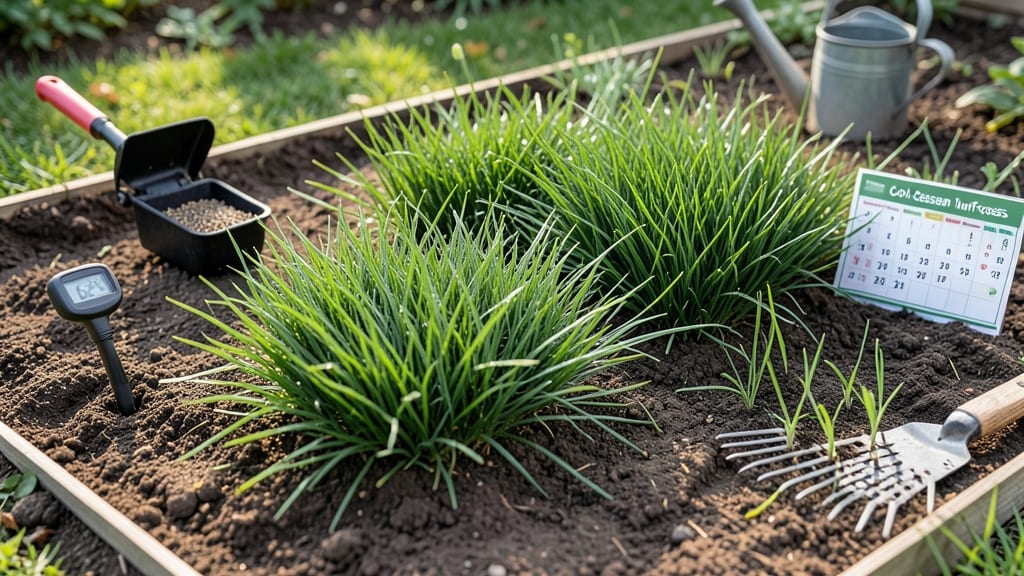
Planting grass seed in Colorado at the wrong time can turn your dream of a lush lawn into a frustrating gamble—especially with the state’s dramatic temperature swings. Whether you're in Denver's Zone 5 or the high-altitude Zone 4 of the Rockies, timing matters more than most gardeners realize.
Most Colorado gardeners swear by early spring (March–April) as the sweet spot for seeding, but late summer (August–September) offers a second chance for those who missed the window.
The key? Waiting until soil temperatures hit that 50–65°F sweet spot—too cold, and seeds won’t germinate; too hot, and they’ll dry out before roots take hold.
I’ll break down the exact deadlines for your specific zone, plus pro tips to beat Colorado’s unpredictable weather—like testing soil moisture and avoiding the 3 biggest mistakes that kill grass before it even sprouts.
Ready to transform bare patches into vibrant turf? Let’s get your lawn off to the right start—no more guesswork, just science-backed timing and care.
Colorado’s grass planting zones: when to plant by USDA hardiness Zone
Colorado’s diverse climate—from high-altitude mountains to arid plains—means your grass seed planting window depends heavily on your USDA hardiness zone and elevation. Most of the state falls within Zones 4-7, but even small changes in altitude can shift your ideal planting dates by weeks.
For example, Denver (Zone 5) has a different schedule than Colorado Springs (Zone 5-6) or Grand Junction (Zone 7).
To succeed, focus on two key windows: early spring (March–April) and late summer/early fall (August–September). Spring planting avoids winter stress, while fall seeding benefits from cooler temps and consistent moisture.
The golden rule? Wait until soil temperatures hit 50–65°F—cold soil delays germination, while scorching heat can dry out seeds before they sprout.
Altitude matters more than latitude in Colorado. Areas above 6,000 feet (like Boulder or Fort Collins) may need to wait until mid-April for spring planting, while lower elevations (e.g., Pueblo) can start as early as late February. Always check your local last frost date—planting too soon risks seed loss to freezing nights.
🌱
| USDA Zone | Colorado Regions | Spring Planting Window | Fall Planting Window | Soil Temp Threshold |
|---|---|---|---|---|
| 4 | Steamboat Springs, Durango | Mid-April to May 15 | Late August to Sept 15 | 55–65°F (avoid frost) |
| 5 | Denver, Fort Collins, Colorado Springs | Late March to April 30 | Early August to Sept 10 | 50–60°F (stable) |
| 6 | Pueblo, Grand Junction (lower elevations) | February 28 to April 15 | July 15 to Aug 31 | 50–65°F (warmer soil) |
| 7 | Grand Junction, Alamosa | February 15 to March 30 | July 1 to Aug 20 | 55–70°F (drought risk) |
🌡️ Pro Tip: Use a soil thermometer to confirm readiness—seeds won’t sprout in cold soil!
For high-altitude gardens (above 7,000 feet), extend your spring window into May to avoid late frosts. These areas also benefit from fall planting in September, as cooler nights slow seedling growth and reduce drought stress.
If you’re unsure about your zone, use the USDA Plant Hardiness Zone Map and cross-reference with Colorado State University’s local frost date guides.
Another critical factor is soil moisture. Colorado’s dry climate means fall planting often yields better results because summer heat can dry out seeds before germination. Aim for 1–1.5 inches of water per week (including rainfall) during establishment.
If your area experiences drought, consider drought-tolerant varieties like Buffalo Grass or Fine Fescue, which thrive with less water once established.
Timing isn’t just about the calendar—it’s also about weather forecasts. Check for 10-day outlooks before planting to avoid rain delays or sudden heatwaves. For example, planting in late August gives seeds time to germinate before first frost (typically October 1–15 in most zones).
Use row covers if early frosts threaten your seedlings.
Finally, don’t overlook preparation. Whether you’re planting in spring or fall, test your soil pH (6.0–7.5 ideal) and loosen the top 2–3 inches of soil to improve seed-to-soil contact.
Rake away debris and level the surface to ensure even moisture distribution. These steps are just as important as picking the right planting window.
By aligning your planting schedule with Colorado’s microclimates, you’ll give your grass seed the best shot at thriving. Next, we’ll explore the best grass seed types for your specific zone and climate challenges—cool-season vs. warm-season varieties—to help you choose the perfect match for your yard.
Colorado’s grass planting zones: when to plant by USDA hardiness Zone
Colorado’s diverse climate means your grass seed planting window depends heavily on your USDA hardiness zone and elevation. Most regions fall within Zones 4-7, but high-altitude areas (like Denver or Colorado Springs) may experience earlier frost dates than lower elevations.
For example, Denver (Zone 5b) typically sees its last frost around April 15, while Grand Junction (Zone 6b) can plant later, around May 1.
To avoid frost damage or drought stress, aim to plant when soil temperatures consistently stay between 50–65°F. Use a soil thermometer to check—this is your green light for germination.
Early spring (March–April) and late summer/early fall (August–September) are the two ideal windows, but timing shifts 1–2 weeks later for every 1,000 feet in elevation.
| USDA Zone | Best Planting Window | Soil Temp Threshold | Altitude Adjustment |
|---|---|---|---|
| Zone 4 (e.g., Steamboat Springs) | Late April–early May | 50–55°F | +2 weeks per 1,000 ft |
| Zone 5 (e.g., Denver, Fort Collins) | Early April–mid-May | 55–60°F | +1 week per 1,000 ft |
| Zone 6 (e.g., Colorado Springs, Pueblo) | March–April or August–September | 60–65°F | Standard timing |
| Zone 7 (e.g., Grand Junction, Durango) | February–March or September | 65°F+ | -1 week per 1,000 ft |
For late-summer planting, focus on August–September to take advantage of cooler temps and consistent rainfall. This window reduces weed competition and gives grass time to establish before winter. Just avoid planting after September 15 in most zones, as fall frosts can stunt growth.
Pro tip: Check your local CoCoRaHS weather station or Colorado State University Extension for frost date averages in your area. These resources provide hyper-local adjustments that can mean the difference between a thriving lawn and a struggling patch.
Always plant at least 4–6 weeks before the first expected frost for cool-season grasses.
If you’re unsure about your zone, use the USDA Plant Hardiness Zone Map and cross-reference with your elevation. For example, a 6,000-foot elevation in Zone 5 might need a 2-week delay compared to a 5,000-foot site. Altitude delays germination by slowing soil warming.
Finally, test your soil before planting—pH between 6.0–7.5 is ideal for most Colorado grass varieties.
Adjust with lime (to raise pH) or sulfur (to lower pH) 4–6 weeks before seeding to give the soil time to stabilize. Don’t skip this step, or you’ll risk poor germination and nutrient deficiencies.