
Plants
Best grass seed planting months in Colorado by elevation zone
Colorado’s elevation zones dramatically impact when you can plant grass seed successfully. At 3,000–6,000 feet, like Denver or Colorado Springs, your window differs from 8,000+ feet mountain regions where frost lingers longer. Understanding these zones ensures your grass establishes strong roots before winter or summer stress hits.
The ideal soil temperature for grass seed germination is between 50–65°F. In Colorado, this typically aligns with late summer to early fall (August–September) or early spring (March–April). However, your exact timing depends on elevation—mountain areas may need to wait until June for safe planting.
Below is a breakdown of the best planting months for Colorado’s three key elevation zones, including frost-free dates and dormancy considerations. Use this as your guide to avoid wasted seed and poor establishment.
| Elevation Zone | Best Planting Months | Soil Temp Range (°F) | Frost-Free Window | Key Consideration |
|---|---|---|---|---|
| 3,000–6,000 ft (Lowlands) | March–April (spring) or August–September (fall) | 50–65°F | April 1–May 15 | Fastest growth; avoid late May heat |
| 6,000–8,000 ft (Foothills) | April–May (spring) or July–August (fall) | 45–60°F | May 1–June 10 | Cooler nights delay germination; test soil |
| 8,000+ ft (Mountains) | June–July (spring) or August (fall) | 40–55°F | June 15–July 15 | Short growing season; use cold-hardy varieties |
For lowland areas (Denver, Colorado Springs), spring planting in March–April gives grass 6–8 weeks to establish before summer drought stress. Fall planting in August–September is equally ideal—cooler temps reduce water needs, and roots grow deep before winter.
In foothill regions (e.g., Fort Collins, Boulder), wait until April–May for spring planting. The 1–2°F cooler nights here can slow germination, so use a soil thermometer to confirm 50°F+ before sowing. Fall planting shifts to July–August to avoid early frosts.
Mountain zones (Aspen, Telluride) demand patience—plant in June–July when soil warms to 45°F+. These areas often have shorter frost-free windows (90–120 days), so choose cold-hardy grasses like Tall Fescue or Fine Fescue for success.
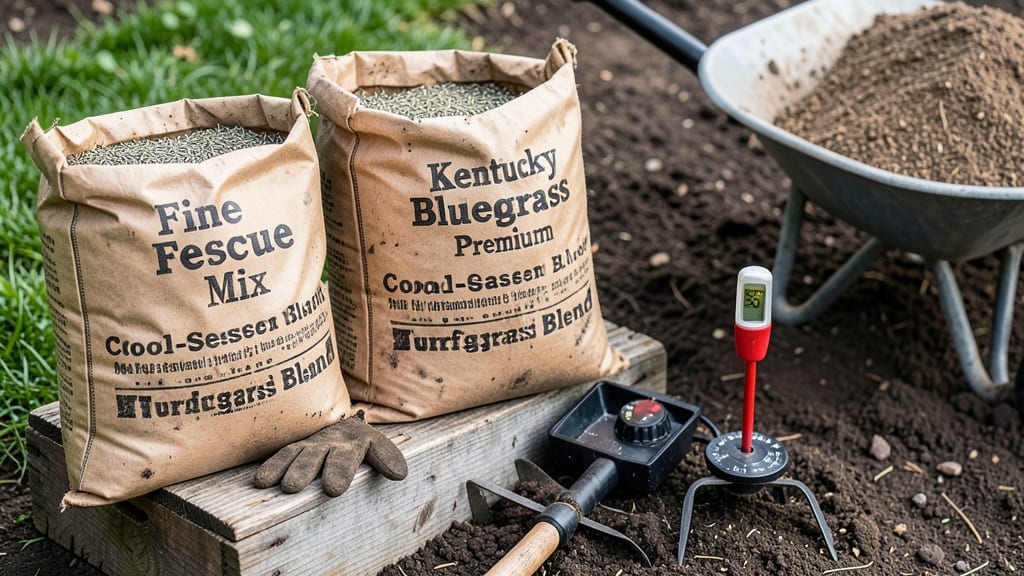
Pro tip: Use a soil thermometer ($10 at garden centers) to verify readiness. Stick it 2 inches deep—if it reads below 50°F, wait. This simple tool saves weeks of frustration and wasted seed.
After planting, consistent moisture is critical. New grass needs 1/2 inch of water weekly (or daily light watering) for the first 3–4 weeks. In Colorado’s dry climate, morning watering before 10 AM minimizes evaporation and fungal risks.
Remember: Fall planting often outperforms spring in Colorado because cooler temps reduce weed competition and water demands. If you miss your ideal window, late August is the last safe month for most zones.
How to adjust planting timing for Colorado’s microclimates
Colorado’s microclimates can shift planting windows by weeks—even within the same county. Urban areas like Denver (5,280 ft) often experience heat islands that delay frost, while high-desert regions near Fort Collins (5,000 ft) stay cooler longer.
Mountain towns like Evergreen (9,000 ft) may have snow cover until June, pushing back spring planting.
For lowland areas (3,000–6,000 ft), aim for late August to mid-September—this avoids summer heat while letting seeds establish before first frost. In foothills (6,000–8,000 ft), shift to early September to account for earlier frosts.
At 8,000+ ft, wait until late September or even early October when soil temps drop below 65°F.
In urban heat islands, like Aurora or Colorado Springs, soil stays warmer longer. Test for dormant weeds—if crabgrass is still green, delay planting. For high-desert areas, like Grand Junction, choose drought-tolerant varieties (e.g., Tall Fescue) and plant earlier to beat summer dry spells.
Wind is another mountain region challenge. Use straw mulch to anchor seeds and water lightly but frequently (every 2–3 days) until germination. In sheltered valleys, like Parker, you can plant 2 weeks earlier than exposed slopes.
Fall planting wins in most areas because cool temps reduce weeds and established roots handle winter. But in southern Colorado (e.g., Alamosa), spring planting works better due to later snowmelt. Always check USDA Zone 4–7 frost maps and adjust for your local microclimate.
If you’re unsure, test a small patch in September—most Colorado lawns thrive when seeded 6–8 weeks before first frost. For high-altitude areas, add 2–4 weeks to that window. Patience pays off—a well-timed lawn outlasts a rushed one every time. 🌱