
Plants
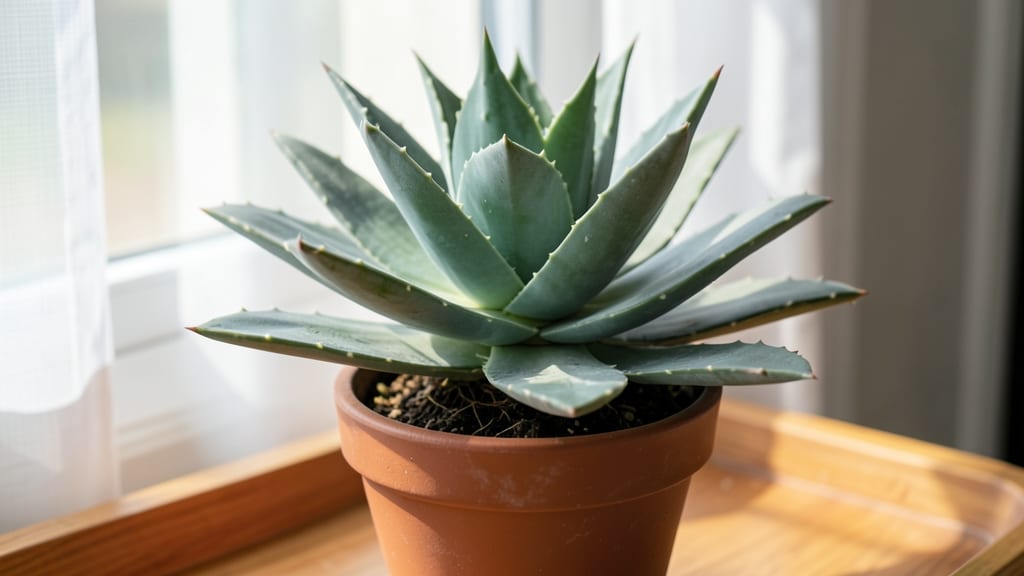
The light needs of an aloe plant 🌵 are often misunderstood, yet getting it right could mean the difference between a thriving succulent and a struggling one.
If your aloe plant looks stretched, pale, or worse, crispy at the edges, you might be overcomplicating its care—because aloe plants are actually pretty low-maintenance when it comes to sunlight.
Most people assume aloe thrives in scorching direct sun, but the truth is more nuanced. While these hardy plants love bright light, they can actually suffer from too much harsh afternoon sun, especially in hot climates.
The key is finding that sweet spot of bright indirect light—think east-facing windows or a few feet back from a south-facing one. This balance helps prevent sunburn while keeping your aloe happy and healthy.
Whether you're growing your aloe indoors or outdoors, understanding these light requirements will save you from common mistakes like leggy growth or brown tips.
I’ll walk you through exactly how much light your aloe needs, how to spot signs of trouble, and simple fixes to keep it flourishing year-round—no green thumb required.
Let’s cut through the guesswork so you can give your aloe the perfect light conditions it craves. Your plant’s future depends on it!


Ideal light requirements for aloe vera: bright indirect sunlight explained
Aloe vera thrives under bright indirect sunlight, but many gardeners struggle to recreate this environment indoors. These succulents need 6 to 8 hours of light daily, but direct midday sun can scorch their leaves.
The key is finding that sweet spot where they get plenty of light without burning.
Outdoors, aloe plants love full sun exposure (6+ hours), but they also tolerate partial shade in hot climates. Indoors, a south-facing window is ideal because it provides the most consistent light throughout the day. If your home lacks natural sunlight, supplement with a grow light for 12-14 hours daily.
Here’s how to spot light deficiency in your aloe: leaves stretch toward the light (etiolation), become pale or yellow, and develop a leggy appearance. This happens when they’re not getting enough light, often in north-facing windows or shaded corners.
On the flip side, too much direct sun causes brown or crispy tips, a sign of sunburn.
For indoor growers, rotate your aloe plant quarter-turns every few days to ensure even light exposure. This prevents one side from getting too much sun while the other stays in the shade. If you notice uneven growth or color changes, it’s time to adjust the placement.
🌵 Aloe Vera Light Requirements Summary
| Requirement | Specification |
|---|---|
| Minimum Daily Light | 6+ hours |
| Ideal Light Type | Bright indirect or morning sun |
| Outdoor Placement | South or west-facing spot |
| Indoor Placement | South-facing window or grow light |
| Signs of Too Little Light | Pale, stretched leaves |
| Signs of Too Much Light | Brown leaf tips, crispy edges |
Pro Tip: Use sheer curtains to filter harsh afternoon sun while still allowing light through.
If you’re growing aloe outdoors in hot climates, provide afternoon shade during peak sun hours (12 PM to 4 PM). This mimics their natural habitat in arid regions where intense sunlight can be overwhelming. For container growers, move pots to a shaded area during extreme heat to prevent stress.
Another common mistake is placing aloe near air conditioning vents or drafty windows. While they need good airflow, cold drafts can shock the plant and cause leaf discoloration. Keep them in a stable environment with consistent temperatures between 55°F and 80°F for best results.
For those with limited natural light, LED grow lights are a game-changer. Place them 6-12 inches above the plant and run them for 12-14 hours daily. Look for lights with a full-spectrum or red/blue LED setup, which mimics sunlight and promotes healthy growth without the heat of traditional bulbs.
Remember, aloe vera is a sun-worshipper, but like all plants, it needs balance. Too little light leads to weak growth, while too much causes damage.
Observe your plant’s response and adjust its environment accordingly. With the right light, your aloe will reward you with thick, vibrant leaves and minimal care needs.
🌿
How to adjust light for different aloe plant stages (Seedlings to Mature plants)
Aloe plants don’t have the same light needs at every stage of growth. Seedlings are the most delicate and require gentle indirect light to prevent scorching. Placing them near an east-facing window or under a grow light for 4-6 hours daily is ideal.
Too much direct sun at this stage can cause irreversible damage to tender young leaves.
As your aloe transitions to a juvenile plant (6-12 months old), it can handle slightly more light—4-6 hours of bright indirect sunlight becomes sufficient. This is the perfect time to introduce it to a south-facing window or a spot near a skylight.
Monitor for signs of light stress, like yellowing or crispy edges, which indicate it’s getting too much sun.
Once your aloe reaches maturity (1+ years), it becomes a sun lover! 6+ hours of direct sunlight is now the goal, whether outdoors in a south-facing garden bed or indoors near a sunroom window.
Mature aloes can even tolerate full sun exposure (6+ hours of direct rays), making them perfect for container gardening on patios or desert landscapes.
Transitioning your aloe between light conditions? Do it gradually—move it to a slightly sunnier spot over 7-10 days to avoid light shock. Sudden changes can cause leaves to bleach or develop sunburn spots.
If you’re bringing an outdoor aloe inside for winter, place it near the brightest window and supplement with a grow light if natural light drops below 4 hours daily.
Pro tip: Rotate your aloe quarterly to ensure even growth. Plants lean toward light sources, so a slow 180-degree turn every month keeps them upright and balanced. This is especially important for tall aloe varieties like Aloe arborescens, which can become top-heavy without proper light exposure.
Remember, aloes are drought-tolerant but not heat-tolerant—they’ll tell you if they’re getting too much sun through brown leaf tips or yellow patches. Adjust their placement accordingly, and your aloe will reward you with vibrant, plump leaves year-round. 🌵