
Plants
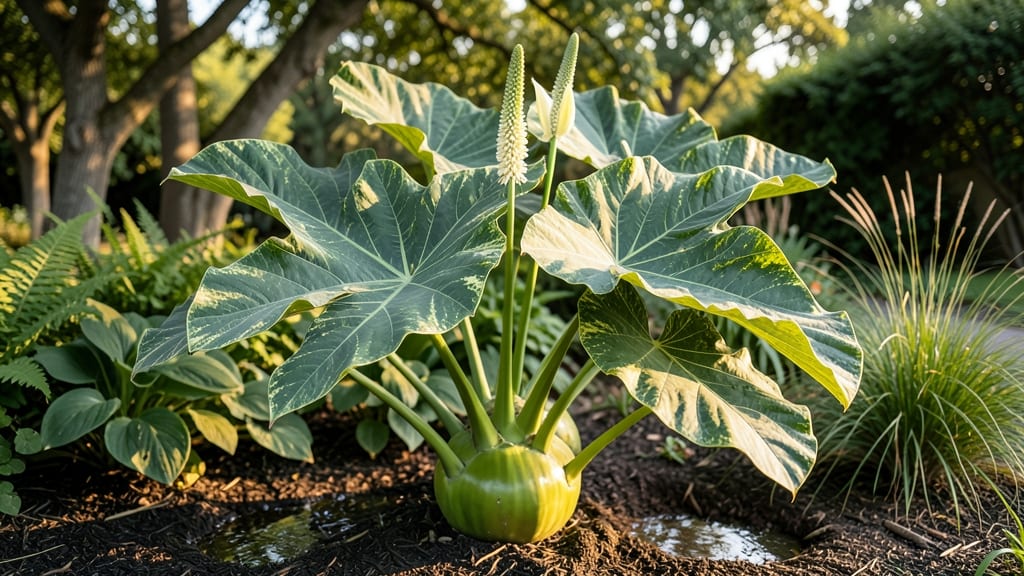
If you're wondering how much light does an elephant ear plant need to thrive, the answer might be simpler than you think—it’s all about finding the right balance of brightness to keep those bold, vibrant leaves looking their best.
These stunning foliage plants require precise lighting conditions, and too much (or too little) sunlight can lead to sunburned edges or leggy, weak stems. Most gardeners assume partial shade means any old spot with dappled light, but elephant ears are far more particular about their environment.
Whether you're growing them in USDA Zone 6a or container gardens, understanding their light needs is the key to avoiding common pitfalls and ensuring dramatic, healthy growth.
In this guide, I’ll break down exactly how much light your elephant ear thrives in—from the ideal 4-6 hours of bright indirect light to how to spot signs of overlighting or underlighting.
You’ll learn how to position your plant for success, whether indoors near an east-facing window or outdoors in filtered sunlight. Ready to transform your plant from struggling to showstopping? Let’s dive into the lighting secrets that’ll have your elephant ear looking its absolute best all season long.


Elephant ear plant light requirements: the ideal sunlight spectrum for healthy growth
Elephant ear plants—whether Colocasia or Alocasia—thrive in bright, indirect light, making them perfect for partial shade gardens. Unlike sun-loving succulents, these dramatic foliage plants reject direct afternoon sun, which can scorch their glossy leaves and turn them crispy at the edges.
Think of them as divas who demand gentle sunlight—like a morning coffee but no midday energy drinks.
The key is mimicking their natural understory habitat, where they grow beneath taller trees that filter harsh rays. In your garden, this means placing them where they get 4–6 hours of filtered sunlight daily, ideally from an east-facing window or under dappled shade from a canopy.
If you’re in a hot, dry climate, even full shade with bright indirect light works—just watch for pale, leggy growth if they’re starved for light.
Now, let’s break down the light spectrum for these two popular varieties, because Colocasia and Alocasia have slightly different sun tolerance levels. While both love shade, Alocasia varieties like Polly or Frydek can handle a touch more bright indirect light than Colocasia types like Black Stem or Illustris.
Overlighting either will cause brown leaf tips, while underlighting leads to small, weak leaves and stretched stems.
🌿 Visual Element: Comparison Table
| Variety | Ideal Light | Max Direct Sun | Signs of Too Much Sun | Signs of Too Little Light |
|---|---|---|---|---|
| Colocasia (e.g., Black Stem, Illustris) | Bright indirect light (4–6 hrs) | Morning sun only (1–2 hrs) | Brown/yellow leaf edges | Pale, small leaves |
| Alocasia (e.g., Polly, Frydek) | Bright indirect to partial shade | Morning sun or dappled shade | Scorched patches on leaves | Leggy stems, sparse foliage |
Understanding these light thresholds is crucial because leaf color is directly tied to sunlight exposure. For example, Colocasia varieties like Illustris develop their signature deep purple stems when given just enough light. Too much sun? Those stems turn greenish, and the leaves bleach out.
Meanwhile, Alocasia varieties like Polly with their silver patterns need slightly more bright indirect light to keep those striking variegations vibrant. Without enough light, the patterns fade to plain green, and the plant loses its visual drama.
Seasonal shifts also play a role. In spring and fall, when sunlight is softer, your elephant ear can handle a slightly sunnier spot.
But by summer, when the sun is intense, move potted plants to a shadier location or use a lightweight shade cloth (30–50% shade) to protect them.
A common mistake is assuming “partial shade” means half-day sun, but most elephant ears prefer no direct sun after 10 AM.
If you’re growing these indoors, east-facing windows are ideal because they provide gentle morning light without the harsh afternoon heat. South-facing windows? Use sheer curtains to diffuse the light. West-facing windows are off-limits unless you’re using a grow light to supplement the strong afternoon sun.
For outdoor gardens, plant them under tall trees or on the north side of structures where they get filtered sunlight all day.
Pro tip: Rotate your potted elephant ears every 2–3 weeks so all sides get even light exposure. This prevents lopsided growth and ensures those showstopping leaves develop symmetrically.
And if you notice your plant leaning toward the light, it’s a clear sign it’s hungry for more—but not direct sun. Instead, move it closer to the window or add a grow light for 12–14 hours daily.
One final warning: Never place your elephant ear in a dark corner or under artificial lighting only. While they can survive in low light, they’ll become weak, spindly with tiny leaves and may even stop producing new growth.
The goal is balanced light—enough to fuel their tropical energy without frying their delicate foliage.
With the right light conditions, your elephant ear will reward you with bold
How to test and adjust your elephant ear plant’s light conditions at home
First, let’s diagnose your space’s light quality with the simple shadow test. Place a white card or piece of paper near your elephant ear plant during peak sunlight hours (10 AM–2 PM).
If the shadow is sharp and dark, you’ve got direct sun—too harsh for these tropical beauties. If the shadow is soft and diffuse, you’re in the ideal partial shade range. For indoor growers, this test works near windows too—just hold the card outside first to compare.
Next, check your plant’s leaf color cues. Healthy elephant ears display rich, velvety green or deep purple-black hues (depending on the variety). If leaves turn yellow or pale, your plant craves more light.
Conversely, brown or crispy edges signal too much direct sun. Pro tip: Rotate your plant quarter-turns weekly to ensure even growth and prevent lopsided leaves from uneven light exposure.
- Test your space: Use the shadow test (see above) to map light intensity.
- Indoor fix: Place near an east-facing window or use a sheer white curtain to diffuse harsh afternoon sun.
- Outdoor fix: Position under dappled shade (e.g., under tall trees or a pergola with climbing plants).
- Grow lights: For low-light rooms, use a full-spectrum LED grow light 6–8 inches above the plant for 12–14 hours/day.
- Monitor weekly: Adjust placement every 7 days based on leaf color changes.
For indoor growers, sheer curtains are your best friend. A white or light-colored curtain diffuses up to 70% of direct sunlight, mimicking the dappled shade elephant ears love. Avoid heavy blackout curtains—they block too much light, causing leggy growth (long, weak stems).
If your plant is near a south-facing window, move it 3–4 feet back or add a curtain to filter the intense midday rays.
Outdoor gardeners should leverage natural shade structures. A simple pergola with climbing roses or a lattice trellis creates perfect filtered sunlight. Alternatively, plant your elephant ears under deciduous trees (like maples or oaks) that provide seasonal shade.
In hot climates, afternoon shade is critical—midday sun (12–4 PM) is the most damaging, so prioritize afternoon protection.
Don’t overlook seasonal light shifts. In winter, days are shorter, and light is weaker—supplement with a small grow light if leaves start yellowing. Conversely, in summer, afternoon shade becomes non-negotiable.
If your plant shows sunburn spots (brown patches), it’s getting too much direct sun. Move it to a shadier spot immediately—these plants recover poorly from sun damage.
Remember, elephant ears thrive in adaptability. With the right adjustments, you’ll see bold, glossy leaves in just 4–6 weeks. Start small: test one spot, monitor for 2 weeks, then refine. Your plant will thank you with dramatic, healthy foliage that steals the show! 🌿