
Plants
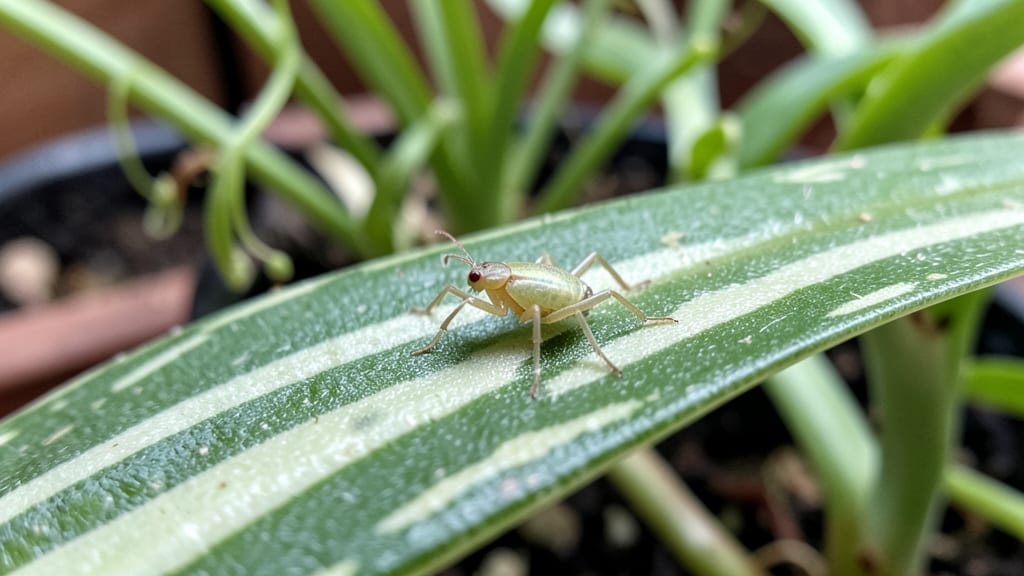
If your 🕷️ Spider Plant is struggling with brown tips or floppy leaves, you're not alone—most beginners get the lighting wrong. The key to keeping it thriving lies in understanding how much light it truly needs, and it's not what you might expect.
Spider Plants love bright indirect light, but they can handle low light too—though their growth will slow down. Too much direct sun, however, and you'll end up with crispy edges.
Let me show you exactly where to place it in your home for the best results, whether you have an east-facing window or just a dim corner.
We'll also cover how to spot when your plant is getting too much or too little light, so you can adjust before it's too late. By the end, you'll know how to create the perfect spot for your Spider Plant to flourish—no guesswork involved.
Ready to give your plant the ideal conditions? Let's dive into the simple secrets that will transform your 🕷️ Spider Plant from struggling to stunning in just a few adjustments.


Ideal light requirements for a healthy spider plant
Your spider plant (Chlorophytum comosum) thrives in bright indirect light, making it perfect for most indoor spaces. Too little light leads to leggy growth, while too much causes brown leaf tips.
The key is finding that sweet spot where sunlight filters through a sheer curtain or bounces off a nearby wall.
Think of it like a morning coffee—just enough to wake up but not so much it burns. East or west-facing windows provide the ideal 4-6 hours of light daily, while north-facing windows offer gentler, lower-intensity light.
South-facing windows can be too harsh unless you add a sheer curtain to diffuse the rays.
Here’s how to visualize the perfect light conditions for your spider plant:
| Light Type | Best For | Window Placement | Growth Effect |
|---|---|---|---|
| Bright Indirect | Ideal for healthy growth | East/West window, 1-3 feet away | Lush foliage, vibrant variegation |
| Medium Indirect | Tolerates well (but slower growth) | North window or 4+ feet from East/West | Slower growth, less variegation |
| Low Light | Survives but struggles | Dark corners, no natural light | Leggy stems, sparse leaves |
| Direct Sun | Avoid at all costs | South window without filter | Brown tips, crispy leaves |
If your home lacks natural light, don’t panic! Spider plants are highly adaptable. They’ll survive in low-light conditions but may grow slower and produce fewer spiderettes (those adorable baby plants). For optimal results, rotate your plant quarter-turns every 2 weeks to ensure even light exposure on all sides.
Pro tip: Place your spider plant near a bright bathroom or kitchen window—these spots often get overlooked but provide perfect indirect light. Just avoid drafts from fans or air conditioning vents, which can stress the plant.
For variegated spider plants (like 'Variegatum'), bright indirect light is even more critical. These varieties need extra light to maintain their striking yellow-and-green stripes. Without enough light, the variegation fades to solid green, and the plant loses its charm.
Remember, your spider plant’s leaves will tell you everything you need to know. If they’re bright and upright, you’ve nailed the light balance. If they’re stretching toward the light or turning yellow, it’s time to adjust its spot.
Now that you know the ideal light conditions, let’s talk about what happens when your spider plant isn’t getting the right amount—because even small shifts can make a big difference in its health.
Ideal light requirements for a healthy spider plant
Spider plants (Chlorophytum comosum) thrive in bright indirect light, making them perfect for most indoor spaces. Unlike sun-loving plants, they despise harsh direct sunlight, which can scorch their leaves. The key is finding that sweet spot where they get enough light to grow lushly without risking damage.
Think of your spider plant’s ideal spot as morning sunlight with afternoon shade—similar to what they’d get under a dappled forest canopy. East-facing windows provide gentle morning light, while west-facing windows offer afternoon glow without the intensity of midday sun.
North-facing windows work too, but you may need supplemental light.
Here’s how to visualize the perfect light setup for your spider plant:
| Light Type | Window Placement | Distance from Window | Growth Impact |
|---|---|---|---|
| Bright Indirect | East or West | 1-3 feet | Lush, variegated leaves |
| Medium Indirect | North or filtered light | 2-4 feet | Slower growth, darker leaves |
| Low Light | Corner rooms, no windows | N/A | Leggy growth, sparse foliage |
If your spider plant is near a south-facing window, it’s crucial to place it at least 3-4 feet away or use a sheer curtain to diffuse the light. Direct midday sun can cause brown patches or crispy edges on the leaves, which are classic signs of light burn.
For variegated spider plants (like the popular ‘Variegatum’ cultivar), bright indirect light is even more critical. These plants rely on sunlight to maintain their striking yellow and green stripes. In low light, the variegation fades, and the leaves may turn solid green—a sure sign they’re not getting enough light.
Pro tip: Rotate your spider plant quarter-turn every 2-3 weeks to ensure even growth. This prevents one side from leaning toward the light while the other stays weak. A well-lit spider plant will reward you with long, arching stems and abundant baby spiderettes ready for propagation! 🌱