
Plants
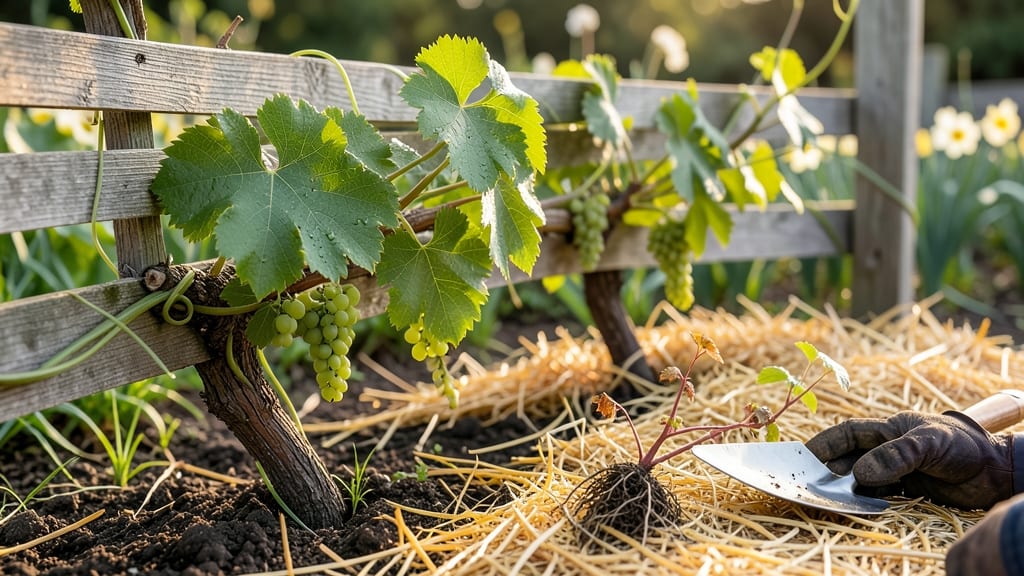
Planting grape vines in Georgia at the wrong time can mean the difference between a bountiful harvest and wasted effort. With USDA zones 7b-8b offering ideal conditions for both muscadine and wine grapes, timing is everything—especially when balancing chill-hour needs with Georgia’s unpredictable frost patterns.
Most growers swear by late winter to early spring (February–March) for bare-root vines, but fall planting (September–October) works too—if you’re prepared for humidity and heat challenges. Whether you’re cultivating sweet muscadines or crisp wine grapes, getting the timing right ensures strong root establishment before summer’s relentless sun.
I’ll break down the exact windows for your region, including frost-free deadlines and variety-specific tips. Learn how to avoid common mistakes like planting too early (risking freeze damage) or too late (delaying growth). Let’s get those 🍇 grape vines thriving!
From soil prep to trellis setup, this guide covers everything you need to know for a successful Georgia grape harvest. Ready to turn your backyard into a vineyard? Let’s dive in.
Georgia’s grape planting timeline: optimal months by chill-hour needs
Georgia’s warm climate and diverse microclimates create perfect conditions for growing grapes—but timing is everything. Most grape varieties need dormancy periods during cooler months to establish roots before summer heat arrives.
In Georgia, this means planting late winter to early spring (February–March) or fall (September–October), depending on your variety’s chill-hour requirements.
Northern Georgia (USDA Zones 7a-7b) has cooler winters with 500-800 chill hours, ideal for Muscadine and Scuppernong varieties. Southern Georgia (Zones 8a-8b) sees fewer chill hours (300-500), making it better suited for heat-loving wine grapes like Cabernet Sauvignon or Chardonnay.
Let’s break down the best planting windows for each region and variety.
| Variety | Chill-Hour Needs | Best Planting Months | Regional Fit | Key Notes |
|---|---|---|---|---|
| Muscadine | 500–800 | February–March | North & Central GA | Native to GA; thrives in humid climates. |
| Scuppernong | 600–900 | Late February–March | North & Central GA | Slow-growing; needs trellis support early. |
| Cabernet Sauvignon | 300–500 | September–October | South & Coastal GA | Heat-tolerant; plant container-grown for flexibility. |
| Chardonnay | 400–600 | Late February–March | Central & South GA | Moderate chill needs; prune aggressively in winter. |
| Thompson Seedless | 200–400 | September–October | South & Coastal GA | Drought-tolerant; mulch heavily in summer. |
For Muscadine and Scuppernong varieties, planting in February–March aligns with Georgia’s natural dormancy cycle. These grapes need cooler soil temperatures (below 50°F) to establish roots before summer heat arrives. In contrast, wine grapes like Cabernet Sauvignon or Chardonnay can handle fall planting (September–October) because they require fewer chill hours.
If you’re in North Georgia (e.g., Atlanta or Dahlonega), aim for late February to avoid late frosts. Southern regions (e.g., Savannah or Valdosta) can plant as late as March or even early April for heat-loving varieties. Always check NOAA frost forecasts before planting to avoid freeze damage.
Dormancy timing is critical because grapevines need 6–8 weeks of cooler temperatures (below 60°F) to harden off before summer. Planting too early (January) risks root freeze, while planting too late (April) may stress vines during Georgia’s humid summers.
Balance dormancy needs with your local last-frost date for best results.
Pro tip: Bare-root vines should be planted as soon as soil is workable (typically February in most of GA). Container-grown vines offer more flexibility and can be planted throughout fall or early spring. Just ensure your trellis or arbor is installed before planting—grapes need support from day one!
Georgia’s high humidity and summer heat can stress young vines, so prioritize well-draining soil (pH 6.0–6.5) and morning watering to prevent fungal diseases like powdery mildew. Mulch heavily with straw or wood chips to retain moisture and regulate soil temperature.
🌱
How to calculate your planting window using Georgia’s frost-free deadlines
Georgia’s frost-free deadlines are your garden’s GPS for grape vine planting. The last average frost in most regions falls between mid-March and early April, but this varies 2-3 weeks depending on whether you’re in North Georgia (Atlanta) or South Georgia (Savannah).
For bare-root vines, aim to plant 4-6 weeks before your local last frost date to allow roots to establish before warm weather arrives.
Soil temperature is just as critical as air temperature. Grape vines need soil to warm to at least 50°F (10°C) before planting. In USDA Zones 7b-8b, this typically happens by early to mid-February in South Georgia and late February to early March in North Georgia.
Use a soil thermometer to verify—cold soil can stunt root growth and delay dormancy.
For container-grown vines, you have more flexibility and can plant 2-3 weeks earlier than bare-root varieties. This is because their roots are already established, reducing transplant shock. However, always harden off container-grown vines for 5-7 days before planting to acclimate them to outdoor conditions.
🌡️ Georgia’s Frost-Free Planting Deadlines by Region
| Region | Last Frost Date | Optimal Planting Window | Soil Temp Threshold |
|---|---|---|---|
| North Georgia (Atlanta) | Mid-March | Late February - Early March | 50°F (10°C) |
| Central Georgia (Macon) | Early March | Late January - Early March | 50°F (10°C) |
| South Georgia (Savannah) | Late February | Early February - Mid-February | 50°F (10°C) |
📌 Pro Tip: Check NOAA’s Climate Data for your exact location—microclimates can shift deadlines by 1-2 weeks.
If you miss the spring window, don’t panic—fall planting is also viable for Georgia’s climate. Aim to plant 6-8 weeks before your first expected frost, typically between September and early October.
Fall-planted vines benefit from cooler temperatures and established roots before winter dormancy, often leading to earlier fruit production the following year.
For Muscadine grapes, which thrive in Georgia’s heat and humidity, you can even push planting to late October in South Georgia. These varieties are heat-tolerant and drought-resistant, making them ideal for Georgia’s Zone 8b regions.
However, always mulch heavily (4-6 inches) to protect roots from freeze-thaw cycles during winter.
Use a garden calendar to track your local frost dates, soil warming trends, and variety-specific needs. For example, Cabernet Franc (a wine grape) needs 500-700 chill hours, while Scuppernong (a native Muscadine) thrives with 300-400 chill hours.
Match your planting window to these requirements to ensure bud break success in spring.