
Plants
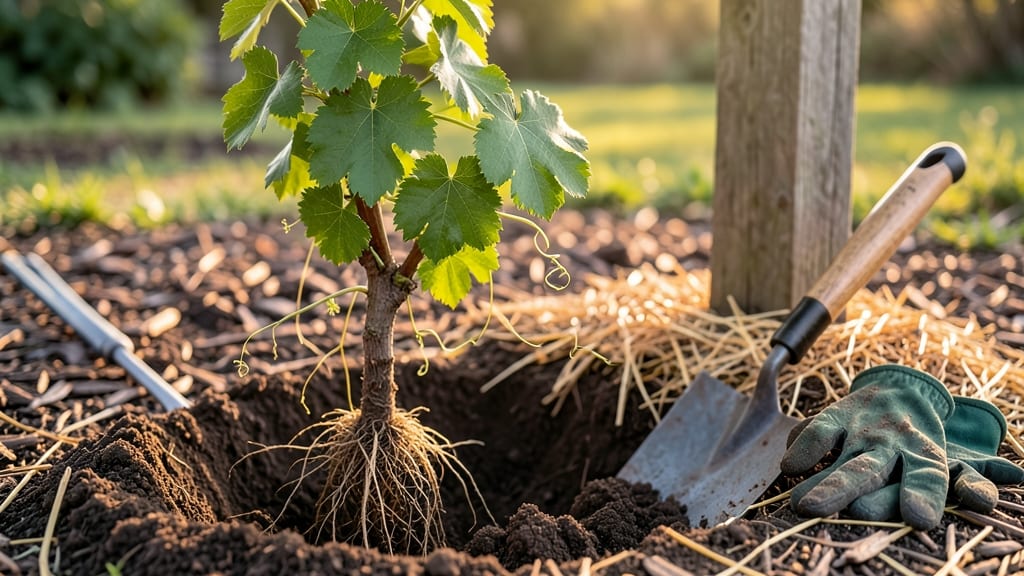
Timing your 🍇 grape vine planting in Zone 7 isn’t just about the calendar—it’s about matching your variety’s chill-hour needs to your local frost patterns.
Plant too early, and frost will nip your young vines before they take root; too late, and they won’t establish strong roots before winter sets in.
Most gardeners in Zone 7 swear by early spring planting—around March or April, once soil temperatures hit 50°F—but fall planting (October or November) can work for cold-hardy varieties like Norton.
The key? Avoiding those tricky last frost dates while giving your vines enough time to root before dormancy kicks in.
Here’s the game-changer: not all grape varieties thrive on the same schedule. High-chill types (like Cabernet Sauvignon) need that early window, while low-chill varieties (like Muscadine) can wait until late spring.
I’ll break down exactly how to time it right for your specific plants—and how to spot the signs your vines are ready to go in.
Whether you’re a first-time grower or a seasoned vineyard enthusiast, getting this right means the difference between bountiful harvests and years of frustration. Let’s dive into the exact steps to plant your 🍇 grape vines for success in Zone 7.
Best planting times for grape vines in Zone 7 by chill-hour needs
Zone 7 gardeners face a critical decision when planting grape vines: timing can make or break your harvest. Unlike cooler zones, Zone 7’s mild winters and hot summers create a narrow window for success.
The key? Matching your variety’s chill-hour requirements with your local frost dates. For example, Cabernet Sauvignon needs 800-1,000 chill hours, while Muscadine grapes thrive with just 200-300 chill hours.
In Zone 7, the last frost date typically falls around mid-April, and the first frost arrives in mid-October. This gives you two ideal planting windows: early spring (March-April) or late fall (October-November).
Spring planting allows vines to establish roots before summer heat, while fall planting leverages cooler temps for root growth before dormancy. Both strategies work, but your grape variety’s chill needs will determine which window suits you best.
Let’s break down the best planting times by grape type, including soil temperature thresholds and frost risk factors. This comparison will help you choose the perfect timing for your vineyard.
| Grape Variety | Chill-Hour Needs | Best Planting Window | Soil Temp Threshold | Frost Risk |
|---|---|---|---|---|
| Cabernet Sauvignon | 800-1,000 hrs | Early Spring (March) | 50-60°F | High (late frost risk) |
| Chardonnay | 500-700 hrs | Spring or Fall (Oct-Nov) | 45-55°F | Moderate |
| Muscadine | 200-300 hrs | Late Spring (April-May) | 60-70°F | Low |
| Norton | 600-800 hrs | Fall (Oct-Nov) | 50-60°F | Moderate |
| Traminette | 300-500 hrs | Spring or Fall | 45-55°F | Low |
For high-chill varieties like Cabernet Sauvignon, planting in early spring minimizes frost risk. The soil should warm to 50-60°F before planting, which typically happens by late March in Zone 7.
If you opt for fall planting, aim for 6-8 weeks before the first frost—usually by early November—to allow roots to establish before winter dormancy.
Moderate-chill varieties such as Chardonnay or Norton offer flexibility. You can plant in spring or fall, but avoid late spring (May) when soil temperatures rise too quickly. These vines benefit from the cooler fall temperatures, which encourage root growth without stressing the plant.
Always monitor your local 10-day forecast to avoid planting before a late frost.
Low-chill varieties like Muscadine and Traminette are perfect for Zone 7’s warmer winters. They thrive when planted in late spring (April-May), once the soil temperature consistently stays above 60°F.
These grapes are more drought-tolerant and less sensitive to frost, making them ideal for gardeners in warmer microclimates or urban areas with heat islands.
Pro tip: Use a soil thermometer to check temperatures before planting. Grape vines struggle to root in soil below 45°F or above 70°F. If your soil is too cold, wait a few weeks—patience now means stronger vines later.
For container-grown grapes, ensure pots are buried slightly below ground level to protect roots from temperature swings.
One common mistake in Zone 7 is planting too early in spring when frost is still possible. Young vines can’t handle below-freezing temperatures, even if they’re hardened off. Always check your local USDA frost maps and adjust your timeline accordingly. If
How to adjust planting timing for Zone 7’s unique climate challenges
Zone 7’s unpredictable frost patterns and intense summer heat demand precise adjustments to grape vine planting. Unlike cooler zones, late spring frosts can still occur after your last frost date, while summer droughts stress young vines.
I’ve learned to time plantings carefully to avoid these pitfalls—especially for heat-sensitive varieties like Chardonnay.
Start by selecting a microclimate with extended warmth. South-facing slopes or walls capture heat longer, delaying frost risk. Avoid low-lying areas where cold air pools. For fall plantings, aim for 6-8 weeks before first frost—typically late October—when soil temps drop below 60°F but before hard freezes.
🚨 CRITICAL ADJUSTMENT: Use mulch heavily (4-6 inches of straw or wood chips) to insulate roots. This buys 2-3 weeks of frost protection by moderating soil temps. I’ve seen vines survive 20°F temps with proper mulching—critical for Zone 7’s early December drops.
⚠️ Late Spring Frost Risk
Zone 7’s last frost date (mid-April) can shift 2 weeks later in some years. Plant bare-root vines 4-6 weeks before this date to ensure roots establish before new growth begins. For container-grown vines, delay until soil temps stay above 55°F for 7+ days.
Pro Tip: Use frost cloth for 2-3 weeks post-planting if night temps dip below 32°F.
For summer heat adaptation, choose drought-tolerant varieties like Norton or Blanc Du Bois. These handle Zone 7’s 90°F+ spells better than European grapes. Pair with drip irrigation scheduled for early morning to prevent fungal diseases from evening moisture.
Container growing extends your planting window in Zone 7. Large pots (15+ gallons) let you move vines to shaded areas during heatwaves or protected spots before frost. Just ensure containers have drainage holes—root rot from waterlogged soil is a silent killer in humid Zone 7 summers.
Monitor soil temperature with a soil thermometer—ideal planting temps are 50-60°F. Cold soil slows root growth, making vines vulnerable to winter dieback. If temps drop below 45°F, delay planting until conditions improve. Patience here prevents root rot and ensures vigorous spring growth.
Finally, prune strategically after planting to balance canopy size with heat stress. Remove 20-30% of foliage to improve airflow, reducing fungal pressure. In Zone 7, powdery mildew thrives in humid summers—prevent it with copper fungicide sprays applied every 2-3 weeks during peak growth.