
Plants
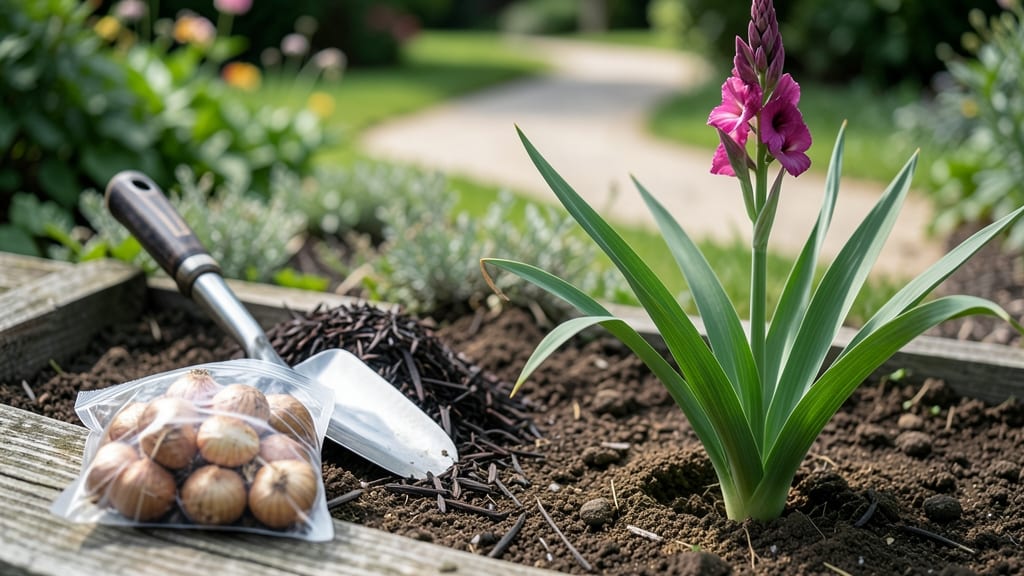
Timing your gladiolus planting in Colorado isn’t just about following a calendar—it’s about beating the unpredictable frost that can turn your 🌸 blooms into a sad, wilted memory before they even start.
With elevation differences between Denver’s plains and the mountain regions, the "perfect" window shifts from April to early May, but getting it wrong means risking frost damage or missing the summer bloom rush.
Here’s the game-changer: Planting your gladiolus corms 4-6 weeks before your last frost date ensures they’re established and ready to burst into color by July.
Colorado’s USDA zones 5-7 add another layer—lower elevations like Pueblo might be safe by mid-April, while higher areas near 10,000 feet could wait until late May. Let’s break down how to nail this timing without guessing.
You’ll also discover why staggered planting can extend your blooming season from July to September, and how mulching tricks can protect those delicate corms from late-season surprises.
Whether you’re a first-time gardener or a seasoned pro, these tips will help you avoid the most common mistakes—and keep your garden looking like a 🌸 paradise all summer long.
Ready to transform your Colorado garden into a vibrant display? Let’s dive into the exact steps, tools, and timing you need to make this season your most successful yet.
Colorado’s gladiolus planting zones: frost dates by elevation
Colorado’s diverse elevations create a complex frost calendar for gladiolus growers. The last spring frost can arrive as early as mid-April in Denver (5,280 ft) but linger until late May in mountain regions (8,000+ ft). This 6-week window forces careful planning to avoid frost damage while maximizing bloom time.
Gladiolus corms thrive in USDA zones 5-7, but Colorado’s microclimates mean your elevation dictates everything. At 5,000–6,000 ft (Front Range), you’ll see earlier planting windows compared to 7,000–10,000 ft (Rocky Mountains). Even a 1,000 ft elevation gain can push back frost dates by 2–3 weeks.
Here’s how to match your location to the right planting window:
| Elevation Range | USDA Zone | Avg. Last Frost | Safe Planting Window | Bloom Time |
|---|---|---|---|---|
| 5,000–6,000 ft (Denver, Fort Collins) | Zone 5b-6a | Mid-April to early May | Late April–early June | July–September |
| 6,000–7,500 ft (Boulder, Colorado Springs) | Zone 5a-5b | Late April–early May | Early May–mid-June | July–early October |
| 7,500–10,000 ft (Aspen, Estes Park) | Zone 4b-5a | Late May–early June | Mid-June–early July | August–September |
For Denver metro gardeners, aim to plant 4–6 weeks before your last frost—typically late April. In mountain towns like Aspen, wait until mid-June to avoid late frosts. Pro tip: Use Colorado State University’s frost maps for real-time updates if you’re near the transition zones.
Gladiolus corms need soil temperatures above 60°F to sprout. In Colorado, this usually aligns with late April–early May at lower elevations but can delay until June in high-altitude gardens. Test soil temps with a soil thermometer—planting too early in cold soil leads to rotten corms.
High-altitude gardeners should also consider shorter-day varieties, like 'Pyramid' or 'Green Star', which bloom faster in Colorado’s shorter growing season. These varieties can push blooms to late August or September, extending your season by 4–6 weeks compared to standard types.
Watch for false springs—those unseasonably warm spells in March that trick you into planting early. Gladiolus corms are not frost-hardy and will die if temps dip below 28°F. Always check the 10-day forecast before planting, especially in transition zones like Colorado Springs.
If you’re in a microclimate (e.g., a south-facing slope or urban heat island), you can plant 2–3 weeks earlier than the average. Conversely, valleys and shaded areas may need a 2-week delay to avoid frost pockets.
Remember: Late-season frosts (October–November) won’t harm established gladiolus plants, but early blooms can get damaged. Stagger planting dates to spread out your blooms and avoid losing your entire display to a single frost event.
Step-by-step gladiolus planting timeline for Colorado gardens
Timing your gladiolus planting in Colorado isn’t just about avoiding frost—it’s about aligning with soil temperatures and daylight hours to ensure robust growth. For most regions, aim to plant corms 4-6 weeks before your last frost date, typically between mid-April and early June.
In high-altitude areas (7,000+ ft), push planting to late May to avoid early-season chills.
Start by prepping your soil in March with compost or aged manure to boost fertility. Gladiolus corms thrive in well-draining soil with a pH of 6.0-7.0. Test your soil early—amending acidic soil now prevents stunted growth later. If your garden soil is heavy clay, consider raised beds for better drainage.
Soil temp: 50°F+. Plant corms 4 inches deep, spacing them 6 inches apart. Use a south-facing bed for warmth.
Wait until soil warms to 55°F+. Plant 6 inches deep for extra frost protection. Mulch with straw to retain heat.
For extended blooms, plant half your corms now and the rest in early June. Choose early-blooming varieties (e.g., 'Picasso') first.
Plant late-blooming corms (e.g., 'Green Star') to extend your season until September. Water deeply after planting.
Apply 1 tbsp 10-10-10 fertilizer 4 weeks after sprouts emerge. Keep soil moist but not soggy—gladiolus roots need oxygen.
Colorado’s variable weather demands vigilance. If a late frost threatens in May, cover young shoots with frost cloth or a clear plastic tunnel. Conversely, avoid planting too late—corms need 90-120 days to mature.
In Denver (Zone 5), aim for May 1-15; in Fort Collins (Zone 4)**, wait until May 20-30.
Pro tip: Mark your planting dates on a garden calendar to track progress. Gladiolus corms planted in late May often produce taller, sturdier stems than those sown earlier, thanks to Colorado’s longer daylight in summer. Just ensure your site gets full sun (6+ hours daily)—partial shade delays blooming.
After planting, monitor for slugs and cutworms, common pests in Colorado’s moist spring soil. Use diatomaceous earth around corms to deter damage. With the right timing, your gladiolus will reward you with bold, 3-5 ft spikes from July through September—just in time for late-summer color.
Remember: Staggered planting is your secret weapon. By spacing corms 3-4 weeks apart, you’ll enjoy continuous blooms instead of a single burst. And if a late frost hits in October, cut back foliage to 2 inches above ground to protect corms for next year.