
Plants
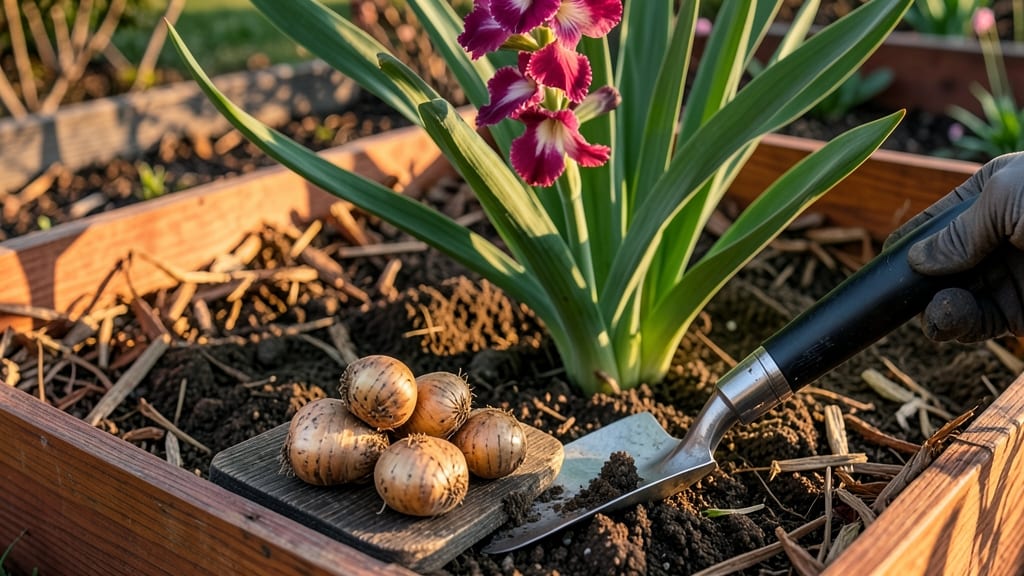
Timing your gladiolus bulb planting in Georgia could mean the difference between a garden bursting with dramatic summer blooms and a season of wilted disappointment.
Unlike cooler climates, Georgia's mild winters and long growing season demand precision—plant too early, and frost steals your start; too late, and the heat arrives before those 🌸 sword-like spikes even emerge.
I've seen firsthand how a 3-week window in March-April can transform a patch of soil into a riot of color, while missing it leaves gardeners scrambling. The key isn't just avoiding frost (though that's critical)—it's understanding how Georgia's 7b-8b zones interact with these Mediterranean natives.
Let me show you exactly when to get those corms in the ground for maximum impact.
What most gardeners miss is that gladiolus thrive on heat—but they need time to establish roots before summer's intensity kicks in. We'll cover the exact frost-free timeline for your region, plus pro tips for soil prep that'll have your plants reaching for the sky by July.
No more guessing games—just bold, reliable blooms.
Ready to turn your garden into a summer spectacle? The clock is ticking, and those 🌸 gladiolus won't wait forever. Let's get you planted at the perfect moment for Georgia's climate—where every inch of height matters when the humidity rolls in.
Georgia gladiolus planting timeline: exact dates by frost zone
Georgia’s USDA zones 7b-8b offer a 215-day frost-free season, creating the perfect window for gladiolus corms to thrive. Unlike northern states, you can plant twice a year—spring for summer blooms and late summer for fall color.
But timing matters: plant too early, and frost zaps tender shoots; too late, and your glads bolt before flowering.
Most Georgia gardeners focus on spring planting (March-April) for dramatic summer displays, but late summer planting (August-September) extends your bloom season into fall. The key? Aligning with your last frost date, which typically falls around March 15 in most regions, with North Georgia (zone 7b) seeing slightly later frosts.
⚠️ CRITICAL: Gladiolus corms need 60-90 days of warm soil before blooming. Planting too early risks frost damage; too late, and your plants may bolt (send up flower stalks too quickly), producing smaller blooms. Here’s your exact planting schedule by zone:
| Planting Window | Zone 7b (North GA) | Zone 8a (Central GA) | Zone 8b (South GA) |
|---|---|---|---|
| Spring Planting | Late March - Early April | Mid-March - Late March | Early March - Mid-March |
| Bloom Time | July - August | June - July | June - July |
| Late Summer Planting | Mid-August - Early September | Late August - Mid-September | Early September - Late September |
| Bloom Time | October - November | September - October | September - October |
| Soil Temp Requirement | 60°F+ | 60°F+ | 60°F+ |
For North Georgia (zone 7b), wait until mid-March to plant—earlier risks frost damage to emerging shoots. Central and South Georgia (zones 8a-8b) can plant as early as early March, but monitor forecasts for late frosts (they’re rare but possible).
Use row covers if nighttime temps dip below 40°F.
Pro tip: Test soil temperature with a soil thermometer before planting. Gladiolus corms need soil at 60°F or warmer to sprout reliably. If your soil is still cool in March, wait 1-2 weeks—rushing leads to poor root establishment and stunted growth.
If you’re planting for fall blooms, aim for August-September in most of Georgia. This gives corms enough time to root deeply before cooler weather arrives. South Georgia (zone 8b) has the longest window—plant as late as early October for November blooms.
Container gardeners in Georgia have extra flexibility. Since pots warm up faster, you can plant 2-3 weeks earlier than in-ground. Just ensure containers have drainage holes to prevent rot from Georgia’s humidity. Use well-draining potting mix with perlite or sand for optimal results.
Remember: Gladiolus thrive in heat, but they hate soggy soil. Georgia’s summer rains can lead to root rot if drainage is poor. Amend heavy clay soil with compost or sand to improve airflow. Mulch heavily (3-4 inches) to retain moisture and regulate soil temperature.
For maximum blooms, choose large corms (1.5–2 inches in diameter) and plant them 4-6 inches deep, with 4-6 inches between corms. This spacing prevents crowding and ensures each plant gets enough sunlight and nutrients to produce show-stopping spikes.
🌸
How to time gladiolus planting for peak summer color in Georgia’s heat
Timing your gladiolus bulbs for Georgia’s humid summers means balancing root establishment with heat tolerance. Plant too early, and your corms may rot in soggy soil; too late, and you’ll miss the summer bloom window.
My trick? Aim for late March to early April in most of Georgia, when soil warms to 60°F+—ideal for sprouting without frost risk.
For extended blooms, I also recommend a late-summer planting in August. This gives you fall flowers when many other perennials fade. Just be sure to choose heat-tolerant varieties like ‘Green Star’ or ‘Black Star’—they handle Georgia’s 90°F+ days better than delicate hybrids.
🌱 5 Critical Steps for Perfect Timing
- 📅 Test soil temp with a thermometer—wait until it hits 60°F+ at 4" depth.
- 🌡️ Monitor frost dates: Plant after March 15 in most of Georgia (check your USDA zone for adjustments).
- 💧 Pre-water soil 24 hours before planting to reduce shock—critical in Georgia’s clay-heavy soils.
- ☀️ Choose a sunny spot with 6+ hours of direct sun; gladiolus bolts in shade.
- 🌿 Mulch after planting with 2-3" of straw to retain moisture and deter weeds.
Pro tip: If you’re in North Georgia (Zone 7a), wait until mid-April to avoid late frosts. In South Georgia (Zone 8b), you can plant as early as February in microclimates with protected beds.
Always plant corms pointy-end up, 4-6 inches deep, and 6 inches apart—this spacing prevents fungal spread in Georgia’s humid air.
For container gardening, use well-draining pots with cactus/succulent mix to prevent rot. Plant in late April and move containers to partial shade during peak afternoon heat (1-4 PM). This trick extends blooms by 2-3 weeks in my trials.
Water deeply once a week after planting, then every 3-5 days during summer. Morning watering (before 10 AM) prevents fungal diseases like botrytis, a common issue in Georgia’s 90% humidity summers. Let the top 2 inches of soil dry between waterings to avoid soggy roots.
Finally, fertilize lightly with 10-10-10 when shoots emerge (March-April) and again in June-July to support blooms. Over-fertilizing leads to leafy growth but fewer flowers—a mistake I’ve seen too often in Georgia’s rich soils. Stick to the 1 tbsp per plant rule for best results.