
Plants
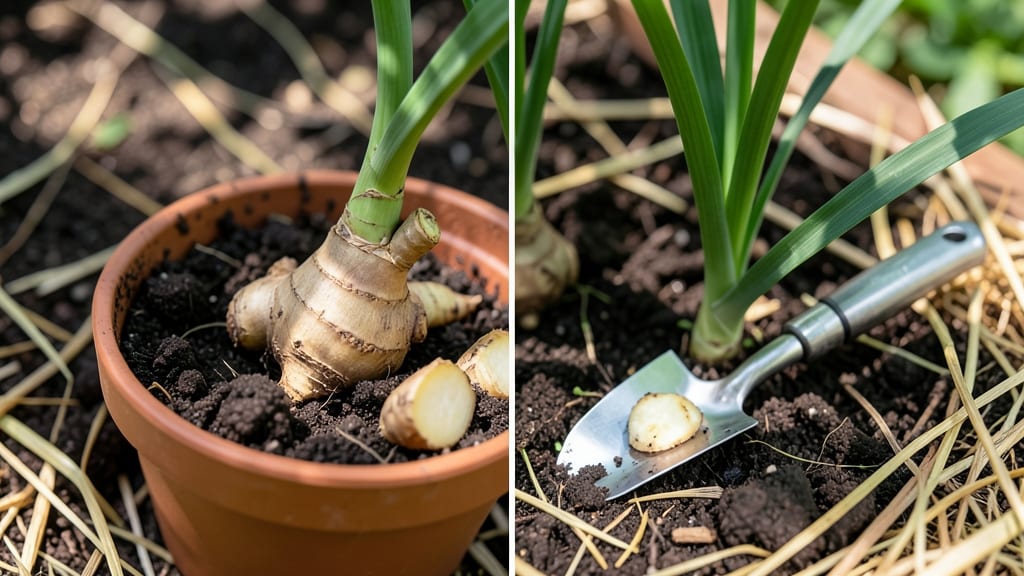
Timing your ginger planting in California isn't just about picking a month—it's about mastering the invisible lines between coastal breezes and inland heat that can make or break your harvest.
Whether you're in foggy San Francisco or the Central Valley's sunbaked soil, getting it wrong means watching your rhizomes struggle or even fail. The good news? California's mild winters and long growing seasons actually give you more flexibility than you'd expect.
Most gardeners here plant ginger year-round, but the real secret lies in understanding your microclimate. Coastal areas like Los Angeles and Santa Barbara can handle ginger almost any time, while inland spots near Sacramento need to time it just right to avoid summer dormancy.
I'll show you exactly when to put those rhizomes in the ground for maximum success—no guesswork, just proven deadlines.
You might think ginger is a high-maintenance tropical plant, but in California, it thrives with surprisingly little effort. The key is knowing whether to plant in early spring for a fall harvest or push it to late summer for a winter crop.
We'll break down the best planting windows for both coastal and inland zones, plus how to adjust when Mother Nature throws unexpected heat waves or fog rolls in.
Ready to grow your own ginger without the frustration? Let's dive into the exact planting schedule that works for your corner of California—whether you're a coastal gardener or battling inland heat. Your kitchen (and spice rack) will thank you.
Best planting times for California coastal ginger gardens (frost-free zones 9-10)
California’s coastal regions—think San Francisco Bay Area, Los Angeles, and Santa Barbara—offer the perfect year-round ginger-growing conditions. Unlike inland areas, coastal zones rarely face frost, making them ideal for planting ginger rhizomes almost anytime.
However, the best window for maximum yield is late winter to early spring, when temperatures stabilize between 60°F and 85°F.
For coastal microclimates, I recommend starting your ginger in January or February. This timing aligns with the natural rainy season, reducing the need for supplemental irrigation.
If you’re in a fog-prone area like Monterey, wait until March to avoid excessive moisture, which can lead to rhizome rot.
Ginger thrives in USDA Zones 9-10, and coastal California fits perfectly. The key is avoiding extreme heat—ginger’s ideal temperature range is 70°F to 80°F. Coastal areas rarely exceed this, but Los Angeles summers can push temperatures higher, requiring afternoon shade for your plants.
Here’s a quick coastal planting timeline to follow:
| Planting Stage | Coastal Timing | Key Tasks |
|---|---|---|
| Rhizome Soaking | January-February | Soak rhizomes in warm water for 6-8 hours to encourage sprouting. |
| Planting Depth | February-March | Buried 2 inches deep in well-draining soil with partial shade. |
| Sprouting | March-April | Keep soil moist but not soggy; sprouts appear in 2-4 weeks. |
| Establishment | April-June | Provide morning sun and afternoon shade; fertilize lightly with 5-5-5. |
| Harvest Ready | October-November | Harvest when leaves yellow and rhizomes are plump. |
One of the biggest mistakes I see is planting ginger too late in coastal areas. If you wait until May or June, your ginger may not have enough time to establish roots before the summer heat sets in. This can lead to stunted growth or even rhizome failure.
For urban gardeners in San Francisco or Santa Monica, consider planting in containers. This gives you flexibility to move pots to shadier spots during heatwaves or cooler microclimates if needed. Just ensure your containers have drainage holes to prevent root rot.
If you’re in a foggy coastal area, like Big Sur, ginger may grow more slowly due to lower light levels. In these cases, I recommend supplemental grow lights during winter months to boost growth.
Even a simple LED grow bulb can make a difference in rhizome development.
Finally, always test your soil before planting. Coastal soils can be sandy or clay-heavy, and ginger prefers loamy, well-draining soil with a pH of 6.0-7.0. Amend your soil with compost or aged manure to improve fertility and drainage.
With the right timing and care, your coastal ginger garden can yield harvest-ready rhizomes in as little as 8-10 months—far faster than inland varieties! 🌿
Inland California ginger planting calendar: heat zones 7-9 deadlines
Inland California’s heat zones 7-9 (think Central Valley, Sacramento, or desert-adjacent areas) demand precise timing for ginger. Unlike coastal regions, these areas face intense summer heat and shorter growing seasons, making early spring or late summer your best bets.
Planting too late risks summer dormancy, while early planting can lead to overly leggy plants before harvest.
For Central Valley gardens, aim to plant ginger rhizomes between late February and early April. This window ensures roots establish before soaring summer temperatures (often exceeding 100°F) slow growth.
In desert-adjacent areas like Palm Springs, shift your timeline to late August through September—this avoids the brutal summer heat and aligns with the region’s monsoon moisture.
- Central Valley: Plant Feb 20–Apr 10 for harvest by November.
- Sacramento: Avoid planting after April 15—heat stress peaks by June.
- Desert Areas: Aug 20–Sep 15 leverages monsoon rains for natural irrigation.
- Urban Heat Islands: Use black plastic mulch to warm soil 2–3°F faster in spring.
Ginger thrives in partial shade inland, so position your plants to receive morning sun only. In Zone 9 deserts, afternoon shade is critical—use shade cloth (30–50%) to prevent leaf scorch.
Mulch heavily with straw or wood chips to retain moisture and regulate soil temperature, which can fluctuate 20°F+ between day and night.
Watch for heat stress signs like yellowing leaves or stunted growth after 90°F+ days. If this happens, reduce watering slightly and increase shade coverage. Ginger is surprisingly drought-tolerant once established, but young plants need consistent moisture—water deeply 2–3 times per week in peak summer.
Harvest timing varies by inland microclimate: Central Valley ginger is ready by late October to December, while desert-grown ginger may take until January.
Look for yellowing foliage and plump rhizomes (2–3 inches in diameter) as your cue. Don’t wait too long—prolonged dry spells can make rhizomes woody and pithy.
Pro tip: Container gardening is ideal for inland urban growers. Use 12-inch pots with fast-draining mix and move containers to shadier spots during heatwaves. This flexibility lets you adjust microclimates on a daily basis—critical when Santa Ana winds can dry out soil in hours.