
Plants
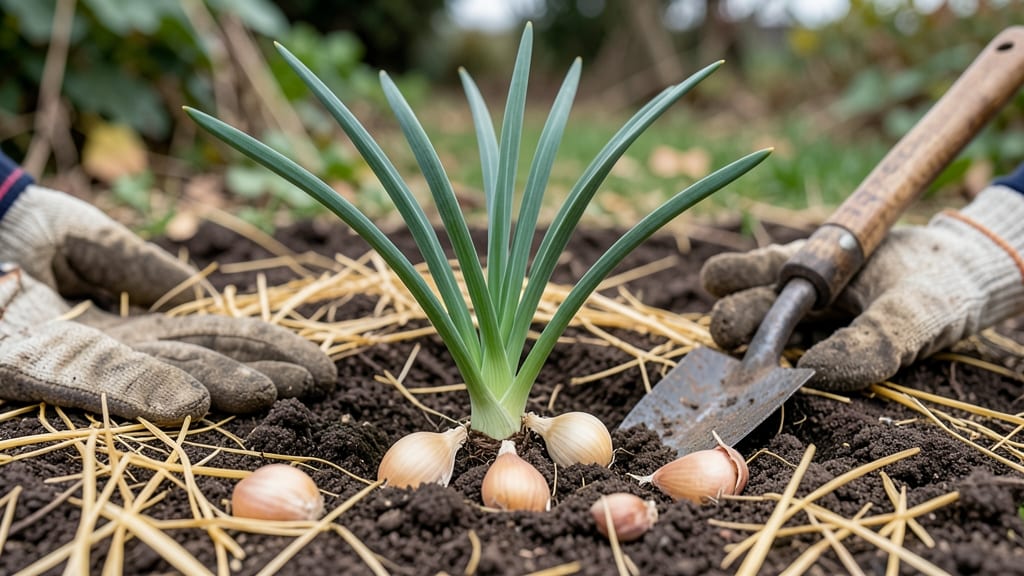
If you’ve ever wondered when to plant garlic in the spring, the answer isn’t as simple as “as soon as possible.” Timing garlic right—especially for cold-hardy varieties—can mean the difference between a bountiful harvest and a disappointing one.
The key lies in understanding your local frost dates and soil temperatures, which I’ll break down for you.
Spring planting might seem tricky after the traditional fall window, but with the right varieties and techniques, you can still grow robust garlic. Whether you’re in USDA Zone 6a or another region, knowing when to get those cloves in the ground sets the stage for success.
Let’s dive into the best planting dates, soil prep, and the top cold-hardy varieties that thrive when planted early.
Many gardeners assume spring garlic is a gamble, but it’s not—it’s about strategy. You’ll learn how to adjust for late frosts, why soil temperature matters more than calendar dates, and how to avoid common mistakes that stunt growth.
By the end, you’ll have a clear roadmap for planting garlic in spring that even beginners can follow.
Ready to grow garlic that rivals your fall-planted bulbs? Let’s get started with the exact steps and timing you need to turn your garden into a garlic powerhouse this season.
Best spring planting dates for garlic by US hardiness zones
Spring garlic planting is all about timing soil temperatures and avoiding late frosts. Unlike fall planting—the preferred method—spring garlic thrives when soil reaches 40-50°F, signaling the ground is workable but not yet too warm.
In most USDA Zones 3-8, this window opens between late February and early April, depending on your region. Planting too early risks frost damage, while waiting too long can lead to bolting (premature flowering) or smaller bulbs.
For gardeners in cooler zones (3-5), aim to plant by mid-April to ensure bulbs mature before summer heat. In warmer zones (6-8), you have flexibility until early May, but avoid planting after the last frost date in your area.
Always check your local frost-free date—garlic needs at least 180 days to form full bulbs, so late spring plantings may not yield as well.
Pro Tip: Use a soil thermometer to confirm temperatures. If your soil is still below 40°F, wait 1-2 weeks. If it’s above 50°F, you’ve missed the ideal window. Garlic planted in late spring (May-June) will often produce scape shoots instead of bulbs, reducing your harvest.
🌱 Spring Garlic Planting by USDA Zone
| USDA Zone | Ideal Planting Window | Soil Temp Threshold | Key Consideration |
|---|---|---|---|
| 3-4 | Late March - Mid-April | 40-45°F | Short growing season; use cold-hardy varieties. |
| 5-6 | Mid-April - Early May | 45-50°F | Balance frost risk with heat buildup. |
| 7-8 | Early April - Late April | 50°F+ | Higher heat risk; plant early to avoid bolting. |
🌡️ Note: Adjust for microclimates—valleys stay cooler, hillsides warm faster.
If you’re in a transition zone (e.g., Zone 6b/7a), split your planting into two batches: one in early April and another in mid-May. This hedges your bets against unpredictable weather.
For example, in Zone 6a (like St. Louis or Denver), planting in early April ensures bulbs mature by July-August, while a May planting may only yield scape shoots or small bulbs.
Another critical factor is daylength. Garlic planted in spring reacts to longer daylight hours, which can trigger bolting. To delay this, choose bolting-resistant varieties like 'German White' or 'Silverskin'.
If you notice flower stalks (scapes) emerging, harvest them first—they’re delicious, and removing them redirects energy to bulb development.
For gardeners in Zone 8+, spring planting is riskier due to heat. If you must plant, use shade cloth to protect seedlings until soil temps stabilize. Alternatively, consider container gardening with pots that can be moved to partial shade during peak afternoon heat.
Containers also allow you to control soil moisture, which is crucial for spring garlic.
Finally, don’t overlook moon planting phases if you’re a believer—some gardeners swear by planting garlic during the waxing moon for stronger bulbs. While science doesn’t back this, it’s a fun tradition!
Pair your planting with a thick layer of mulch (straw or leaves) to retain moisture and regulate soil temps. This is especially important in dry spring climates where evaporation is high.
Remember, spring garlic won’t store as long as fall-planted garlic, but it’s perfect for fresh eating or green garlic harvests. If you’re new to garlic growing, start small with 5-10 cloves to test your timing before committing to a full bed.
Experimentation is key—your first few attempts might not be perfect, but each year you’ll refine your approach.
Best spring planting dates for garlic by US hardiness zones
Spring garlic planting is all about timing soil temperature and avoiding late frosts. Unlike fall planting, spring garlic needs 40-50°F soil to sprout reliably. In most regions, this means planting 4-6 weeks before your last frost date—typically between mid-February and early April, depending on your zone.
For example, gardeners in USDA Zone 3-5 should plant by March 15 to ensure bulbs mature before summer heat. Meanwhile, those in Zones 6-8 have until April 15. The key is to plant early enough for bulbs to fully mature before summer dormancy.
| USDA Zone | Ideal Planting Window | Soil Temp Threshold | Key Consideration |
|---|---|---|---|
| 3-5 | Mid-February to March 15 | 40-45°F | Short growing season; prioritize cold-hardy varieties |
| 6-7 | Late February to April 1 | 45-50°F | Moderate climate; balance early planting with frost risk |
| 8-9 | March 15 to April 15 | 50°F+ | Longer season; avoid planting after April 15 |
If you’re in a warmer microclimate (e.g., near coasts or valleys), plant 2-3 weeks earlier to escape summer heat stress. Conversely, high-altitude gardens may need to delay until late March to avoid early-season frosts.
Pro tip: Use a soil thermometer to confirm readiness. If soil temps are below 40°F, wait 1-2 weeks. Cold soil can delay germination for 3-4 weeks, setting your harvest back.
Spring-planted garlic typically matures 2-4 weeks later than fall-planted bulbs, so plan accordingly. For example, if you harvest fall garlic in July, spring garlic may not be ready until August.
Don’t forget to mulch heavily after planting to retain moisture and regulate soil temps. Straw or shredded leaves work best—just keep mulch 2-3 inches away from cloves to prevent rot.