
Plants
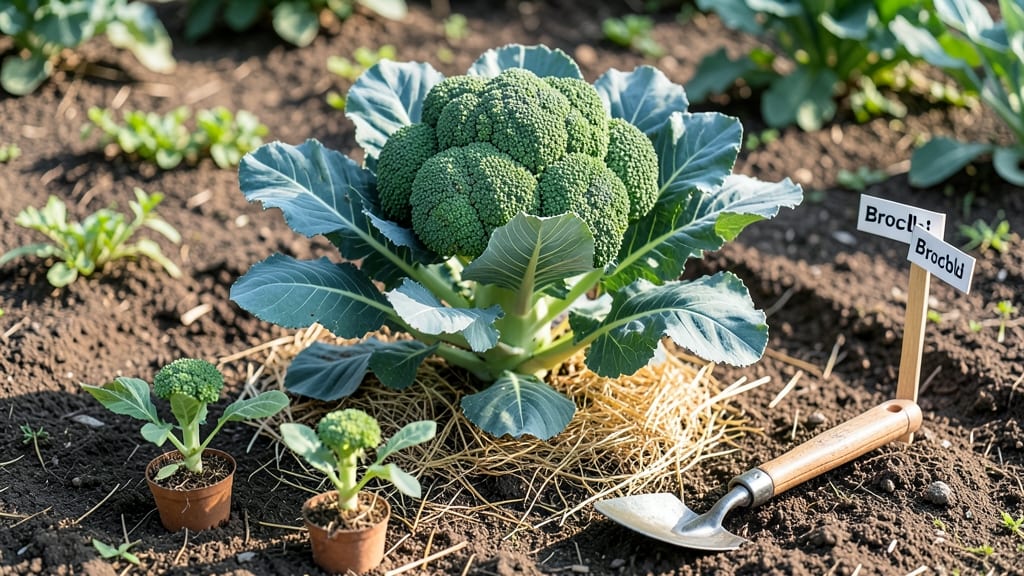
Timing your 🥦 broccoli planting in Colorado can mean the difference between a thriving garden and a sad, wilted disappointment. With our unique climate—from the Front Range’s early springs to the Western Slope’s delayed frosts—getting the window right is everything for a successful harvest.
Most Colorado gardeners know spring is prime time, but did you know fall planting can actually give you a second crop before winter sets in?
The key lies in understanding your USDA Zone 5-7 and local frost dates—because planting too early or too late can leave your broccoli struggling against Colorado’s unpredictable weather shifts.
In this guide, I’ll break down the exact planting windows for both spring and fall, including cold-hardy varieties that can handle our chillier nights. Whether you’re in Denver or the mountains, you’ll learn how to stretch your growing season and avoid common mistakes that derail Colorado gardens.
Ready to grow bold, healthy broccoli that stands up to our high-altitude conditions? Let’s get started with the timing secrets that work for Colorado’s diverse climates.
Best planting windows for broccoli in Colorado’s microclimates
Colorado’s diverse climate—from high-altitude mountain valleys to arid plains—means broccoli planting times vary dramatically by region. The Front Range (Denver, Boulder) has USDA zones 5-6, while the Western Slope (Grand Junction) sits in zone 6-7, and the Eastern Plains (Pueblo, Colorado Springs) spans zones 5-6.
These differences impact your last frost dates, which are critical for timing.
For spring planting, aim to sow seeds or transplant seedlings 4-6 weeks before your area’s last frost.
In most of Colorado, this falls between late February and mid-April, depending on elevation. Fall planting is equally important—start seeds 8-10 weeks before the first frost, typically mid-July to early September, to harvest before winter sets in.
Here’s how to adjust for Colorado’s three main regions:
Front Range (Denver, Boulder, Fort Collins): Last frost dates range from April 15 (lowlands) to May 1 (high-altitude areas). Plant spring broccoli in March for a June-July harvest, or sow fall crops in August for an October-November bounty.
Western Slope (Grand Junction, Durango): Warmer microclimates mean later frosts—April 30 to May 15. Start spring broccoli in late March and fall crops in early September to avoid summer heat stress.
Eastern Plains (Pueblo, Colorado Springs): Cooler nights and earlier frosts (October 1-15) allow for two full harvests. Plant spring crops in late February and fall crops in mid-August.
Pro tip: Use row covers to extend your planting window by 2-3 weeks in spring or fall, protecting tender seedlings from late frosts or early chills.
🌱
🌱 Colorado Broccoli Planting Timeline by Region
| Region | Last Frost Date | Spring Planting Window | Fall Planting Window | Harvest Time |
|---|---|---|---|---|
| Front Range (Denver/Boulder) | April 15–May 1 | March 1–April 15 | August 1–September 15 | June–July & Oct–Nov |
| Western Slope (Grand Junction) | April 30–May 15 | Late March–April 30 | Early Sept–Sept 30 | June–July & Sept–Oct |
| Eastern Plains (Pueblo) | October 1–15 | Late Feb–April 1 | Mid-Aug–Sept 15 | May–June & Sept–Nov |
If you’re in a high-altitude garden (above 7,000 ft), like near Leadville or Aspen, your growing season shrinks further. Stick to early spring planting (February–March) and late summer starts (July–August). Use cold frames or greenhouses to push your season limits.
For succession planting, sow new seeds every 2 weeks in spring and every 3 weeks in fall. This ensures a continuous harvest and reduces the risk of bolting (premature flowering) from heat stress.
Always check your local Cooperative Extension office for hyper-local frost date averages, as microclimates can shift planting windows by weeks. For example, Fort Collins might be 2 weeks earlier than Colorado Springs due to elevation differences.
🌿
Remember: Broccoli hates heat. If summer temperatures exceed 80°F (27°C), plants bolt quickly. Fall planting is your best bet for a reliable harvest in Colorado’s hotter months.
Best planting windows for broccoli in Colorado’s microclimates
Colorado’s diverse climate—from the Front Range’s high-altitude valleys to the Western Slope’s desert-like conditions—means broccoli planting times vary dramatically. The key is aligning your schedule with last frost dates, which typically range from mid-April in Denver to late May in Grand Junction.
For the Eastern Plains, expect frost-free dates around mid-April, while mountainous areas like Eagle County may delay planting until late May.
To maximize your harvest, aim for two planting windows: early spring (4-6 weeks before last frost) and late summer (8-10 weeks before first frost, usually mid-October). Spring plantings yield heads by June-July, while fall crops mature in October-November, escaping summer’s scorching heat.
High-altitude gardens (above 6,000 feet) should push planting dates 2-3 weeks later to avoid frost damage.
Here’s a quick reference for Colorado’s three main regions, including USDA zones 4-7 and frost-free windows:
| Region | USDA Zone | Last Frost Date | Spring Planting Window | Fall Planting Window |
|---|---|---|---|---|
| Front Range (Denver, Boulder) | 5-6 | Mid-April | March 15–April 15 | August 1–September 1 |
| Western Slope (Grand Junction, Aspen) | 6-7 | Late April–May 1 | April 1–May 1 | July 15–August 15 |
| Eastern Plains (Fort Collins, Pueblo) | 4-5 | Mid-April | March 1–April 1 | July 30–August 30 |
| High Altitude (Eagle, Leadville) | 3-4 | Late May–June 1 | April 15–May 15 | July 1–July 31 |
For succession planting, sow seeds every 2 weeks from March through May to ensure a steady supply. In fall, prioritize fast-maturing varieties (like ‘Green Geman’) to harvest before hard frosts.
Use row covers to extend the season by 2-3 weeks in both spring and fall, protecting tender seedlings from late frosts or early chills.
Soil temperature is critical—broccoli seeds won’t germinate well below 40°F. Use a soil thermometer to confirm readiness, especially in high-altitude areas where cooler soils delay germination. If your soil is too cold, opt for transplants instead of direct sowing for a head start.
Pro tip: Hardening off seedlings for 7-10 days before transplanting (especially in spring) helps them withstand Colorado’s temperature swings. Acclimate plants to outdoor conditions gradually by exposing them to morning sun and evening chill for a few hours daily.
Timing your broccoli planting to these windows ensures you’ll beat the heat and avoid frost, giving you two harvests per year—one in summer and another in fall. With the right variety and care, Colorado’s short growing season can still deliver a bountiful broccoli crop! 🥦