
Plants
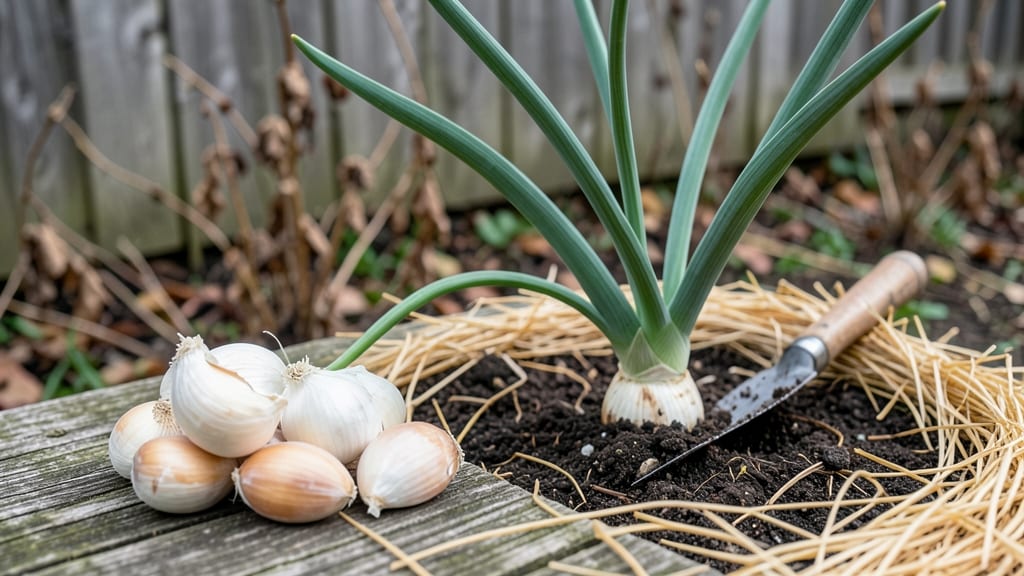
Timing your garlic 🧄 planting in Zone 8b can make or break your harvest—plant too early, and you risk rot; too late, and your bulbs won’t develop properly.
The sweet spot for Zone 8b gardeners is a narrow window that requires precision, but getting it right means plump, flavorful bulbs by next summer.
Most gardeners in Zone 8b swear by planting between October and November, but why? The key is planting 4–6 weeks before your first hard frost—this gives your garlic enough time to establish roots before winter dormancy.
Skip this window, and you might end up with weak, underdeveloped bulbs or even total failure.
Don’t worry if you’re new to garlic growing—I’ll walk you through the exact steps to time your planting perfectly, from soil prep to post-planting care.
You’ll also learn how to adjust for your local microclimate, whether you’re in an urban garden or a high-desert area, so you can avoid common mistakes and maximize your yield.
Ready to grow the best garlic in Zone 8b? Let’s dive into the optimal months, variety-specific tips, and troubleshooting tricks to ensure your garlic thrives—no guesswork required.
Best months to plant garlic in Zone 8b for maximum yield
In Zone 8b, where winters are mild but still bring occasional frost, timing your garlic planting is critical for bulb development. The ideal window falls between mid-October and mid-November, when soil temperatures drop below 70°F (21°C) but before the ground freezes.
This 6-week window ensures garlic forms strong roots before dormancy sets in.
Garlic thrives on cold weather exposure—specifically, 40–60 days below 50°F (10°C)—which triggers bulb formation. In Zone 8b, this typically happens between December and February, so planting too late risks poor bulb development. However, planting too early in September can lead to premature sprouting and weak roots.
For maximum yield, aim to plant garlic 4–6 weeks before your first hard frost, which in Zone 8b usually occurs around mid-December. This gives cloves enough time to establish roots before winter slows growth.
If you miss this window, don’t panic—early December can still work, but bulbs may be smaller.
Soil temperature is your best guide: garlic cloves should go into 45–55°F (7–13°C) soil. Use a soil thermometer to check—if it’s warmer, wait a few days. Cooler soils help prevent rot and fungal diseases while encouraging root growth.
| Planting Stage | Zone 8b Timeline | Key Action |
|---|---|---|
| Soil Prep | Mid-September | Test pH (6.0–7.0), loosen soil, add compost |
| Planting Window | Mid-October–Mid-November | Plant cloves 2" deep, 4–6" apart |
| Cold Exposure | December–February | 40–60 days below 50°F (10°C) for bulb formation |
| Spring Growth | March–April | Water deeply, fertilize lightly (5-10-10) |
| Harvest Ready | June–July | Lower leaves brown, bulbs firm when squeezed |
If you’re new to garlic growing, start with hardneck varieties, which are better suited to Zone 8b’s climate. They thrive in cooler winters and produce larger bulbs with fewer cloves.
Softneck varieties, like Silverskin, are more heat-tolerant but may struggle with poor bulb formation if planted too late.
For urban gardeners or those with limited space, consider container planting. Use deep pots (at least 12 inches deep) and plant cloves in well-draining soil. Containers warm up faster, so you may need to plant 1–2 weeks earlier than in-ground garlic to match soil temperature thresholds.
Mulching is a game-changer in Zone 8b. Apply 2–3 inches of straw or leaves after planting to insulate cloves from freeze-thaw cycles. This protects roots while allowing moisture retention during winter. Remove mulch in early spring to prevent rot and fungal growth as temperatures rise.
One common mistake in Zone 8b is planting garlic in spring. While possible, spring-planted garlic (March–April) often produces smaller bulbs and more scapes (the flower stalk). If you miss the fall window, spring planting is better than nothing, but expect lower yields and more maintenance.
To track your local frost dates, check the USDA Plant Hardiness Zone Map or use a frost calendar for your city. For example, in Los Angeles (Zone 8b), the average first frost is December 15, while in Atlanta, it’s January 15.
Adjust your planting date accordingly.
Remember, garlic is a low-maintenance crop once planted. Focus on soil prep and timing, and your Zone 8b garlic patch will reward you with bold, flavorful bulbs ready for harvest next summer. 🧄
Best months to plant garlic in Zone 8b for maximum yield
In Zone 8b, where winters are mild but frost still plays a role, timing your garlic planting between October and November unlocks the secret to large, flavorful bulbs. This window ensures garlic gets the cold vernalization it needs to form bulbs while avoiding winter dormancy before roots establish.
Think of it like giving your garlic a 6-week head start before the ground freezes.
For optimal bulb development, aim to plant 4–6 weeks before your first hard frost. In most of Zone 8b, that means late October to early November. Soil temperatures should hover around 50–60°F—cool enough to encourage root growth but warm enough to prevent cloves from rotting.
If you miss this window, don’t panic: early December can still work, but bulbs may be smaller.
| Planting Window | Soil Temp | Frost Timing | Bulb Size |
|---|---|---|---|
| Late October | 50–60°F | 4–6 weeks before frost | Large |
| Early November | 45–55°F | 3–5 weeks before frost | Medium-Large |
| Early December | 40–50°F | 2 weeks before frost | Small-Medium |
The key to success in Zone 8b is balancing cold exposure with frost protection. Garlic needs 40–60 days below 40°F to form bulbs, but roots must establish before winter dormancy sets in.
If your area gets mild winters (like coastal Zone 8b), you might push planting to early December, but expect smaller yields. Conversely, inland or high-desert areas should plant by mid-November to avoid winter freeze.
Pro tip: Use a soil thermometer to check temperatures at 4-inch depth. If it drops below 40°F before roots establish, mulch with straw or leaves to insulate the soil.
This mimics the natural winter chill garlic craves while protecting tender roots. Think of mulch as a blanket for your garlic—it regulates temperature and retains moisture.
If you’re still unsure about your local frost date, check the USDA Plant Hardiness Zone Map and add 2–3 weeks to your first frost date for a safe planting window. For example, if your first frost is December 15, aim to plant by November 1.
This buffer ensures garlic has time to root deeply before winter slows growth. Patience here pays off with bigger, more robust bulbs next summer.
Remember, garlic is a perennial crop, but it’s planted as an annual in most gardens. The bulbs you harvest this year will be the seeds for next year’s crop, so nailing the timing now sets you up for years of homegrown garlic.
Start small with a test patch if you’re new to garlic growing—it’s a forgiving plant, but timing makes all the difference.