
Companion Plants
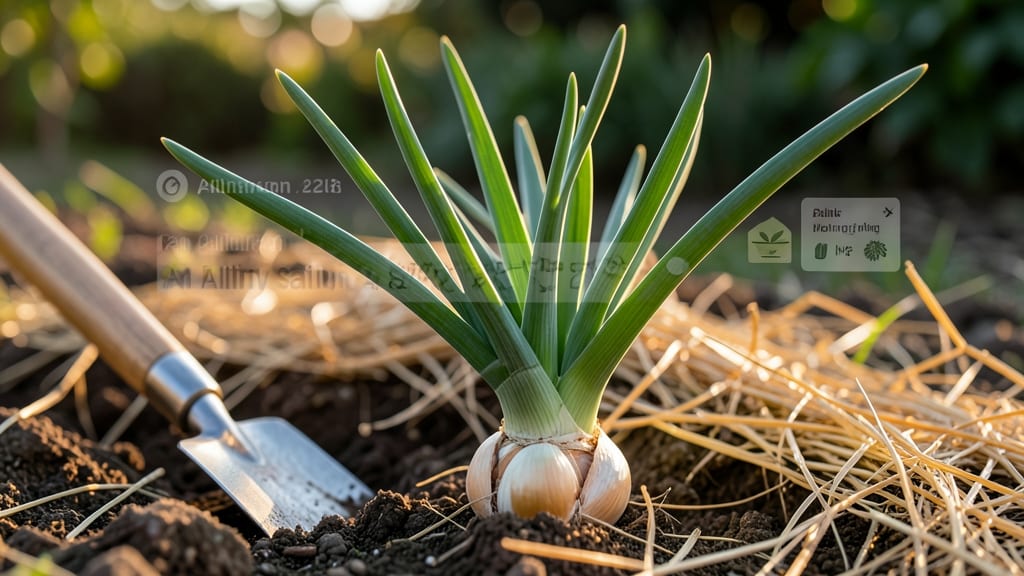
If you're wondering when should I plant garlic in Zone 7, timing is the secret weapon between a thriving crop and wasted effort. The fall window—typically October to November—gives your 🧄 the perfect head start, but spring planting can still work if you know the tricks.
I've grown garlic for years in this climate, and I'll share exactly how to nail the timing for plump bulbs every time.
Zone 7's mild winters and warm summers create unique challenges for garlic growers. Plant too early, and frost can damage tender shoots; too late, and your crop may bolt before reaching full size.
The key lies in understanding your specific microclimate—whether you're in the cooler Appalachian foothills or the warmer Piedmont region. I'll break down the science behind why 6-8 weeks before first frost is ideal and how to adjust for your exact location.
You might be surprised to learn that not all garlic varieties thrive equally in Zone 7. Hardnecks love the cold and produce flavorful scapes, while softnecks prefer milder winters.
I'll compare their planting windows and help you choose the best type for your goals—whether you're growing for braiding, roasting, or cooking. With the right preparation, you can enjoy homegrown garlic that rivals store-bought (and tastes better).
Beyond timing, soil prep and spacing play crucial roles in success. I'll cover the must-do steps like testing your soil's pH, proper clove spacing, and how to protect your plants from pests.
By the end, you'll have a clear roadmap to planting garlic that grows strong, stores well, and makes your kitchen the envy of the neighborhood. Let's get started!
Optimal planting months for garlic in Zone 7: science-backed timing
Garlic thrives in Zone 7's cooler months, but timing is everything. The secret lies in 6-8 weeks before the first frost—this chilling period triggers bulb formation. Plant too early, and your cloves rot; too late, and you’ll miss the sweet spot for plump, flavorful bulbs.
For Zone 7, that window typically falls between mid-October and early November, aligning with soil temperatures of 40-50°F.
Why fall? Garlic needs vernalization—a cold period to develop bulbs. Spring planting works but often yields smaller, less flavorful cloves because the growing season is shorter.
Hardneck varieties (like Music or German Red) prefer fall planting, while softnecks (like Silverskin) can handle a December-January window in milder Zone 7 microclimates.
| Factor | Zone 7 Ideal | Key Notes |
|---|---|---|
| Planting Window | Mid-October to early November | 6-8 weeks before first frost |
| Soil Temp | 40-50°F | Use a soil thermometer to confirm |
| Chilling Requirement | 60-90 days below 40°F | Critical for bulb development |
| Hardneck Varieties | October-November | Best for scapes and larger bulbs |
| Softneck Varieties | December-January | Tolerates milder winters |
Spring planting is possible but risky in Zone 7. If you choose this route, aim for late February to early March, about 2-3 weeks before the last frost. However, spring garlic often lacks the full bulb size and flavor of fall-planted varieties.
For best results, stick to fall and use row covers in late winter to protect from frost heaves.
Pro tip: Test your soil’s readiness by pressing your finger into the ground. If it’s crumbly but not soggy, it’s time to plant. Overwatered soil in fall leads to rotten cloves, while dry soil stunts growth.
Aim for well-draining soil with a pH of 6.0-7.0—garlic hates soggy feet!
Regional variations matter in Zone 7. In cooler microclimates (like the Appalachians), plant by mid-October to avoid early frosts. In warmer zones (like Atlanta), wait until late October to prevent premature sprouting. Always check your local frost dates—they can shift yearly.
Hardneck garlic needs more chill time (90+ days below 40°F) for bulb formation, while softnecks thrive with 60 days of chill. If your winter is mild, opt for softneck varieties like Artichoke or plant hardnecks earlier. For hardnecks, harvest scapes in late spring to redirect energy to bulb growth.
Mulch heavily after planting with straw or leaves (4-6 inches) to insulate bulbs from frost heaves and retain moisture. Remove mulch in early spring to allow soil to warm. This simple step can double your yield by protecting roots during temperature swings.
Remember: Garlic is a perennial in mild climates, but it’s treated as an annual in Zone 7. Each year, plant new cloves for the best results. Over time, bulbs weaken, and diseases creep in. Rotate planting spots every 3-4 years to keep your garden healthy.
🌱
Zone 7 garlic planting calendar: exact dates by variety type
In Zone 7, your garlic planting success hinges on precise timing—especially when choosing between hardneck and softneck varieties. Hardnecks thrive when planted 6-8 weeks before first frost (typically mid-October to early November), while softnecks prefer December-January for milder winter regions.
These windows ensure your garlic gets the 40-50°F soil chill it needs to form bulbs.
Regional variations matter too. If you're in northern Zone 7 (like Pittsburgh or Cincinnati), aim for October 15-30 for hardnecks. In southern Zone 7 (like Atlanta or Raleigh), stretch planting to November 1-15 to avoid early freezes.
Softnecks can handle December-January in both areas, but avoid planting after January 15—they’ll bolt before bulbing.
| Variety Type | Planting Window | Harvest Window | Key Notes |
|---|---|---|---|
| Hardneck (e.g., Rocha, German White) | October 15–November 15 | June 15–July 15 | Needs 40-50°F chill; bolts in spring. |
| Softneck (e.g., Silverskin, Artichoke) | December 1–January 15 | August 15–September 15 | No chill needed; stores longer. |
Extend your garlic season with row covers or cold frames. For hardnecks planted in late November, add a lightweight cover to protect from 20°F temps—this can push harvests into early July.
Softnecks planted in February may need shade cloth in Zone 7’s hot summers to prevent bolting. Always monitor soil temps with a probe—below 40°F stunts growth, while above 50°F triggers premature sprouting.
Missed the fall window? Don’t panic—early spring planting (February-March) works for softnecks only. Plant 2-3 weeks before last frost (around March 15 in Zone 7) and expect a smaller harvest by August-September.
Hardnecks planted in spring won’t form bulbs—they’ll just send up scape shoots. For year-round garlic, grow green garlic (harvest young shoots) from spring plantings.
Pro tip: Mark your planting dates on a garden calendar and adjust yearly based on local frost data. Use a planting thermometer to confirm soil temps—40-50°F is the sweet spot for root development.
If temps drop below 32°F before roots establish, mulch with straw (4-6 inches) to insulate bulbs.
Timing isn’t just about months—it’s about biological cues. Hardnecks need 60+ days of chill to form bulbs, while softnecks tolerate shorter chills. By aligning your planting with these needs, you’ll maximize bulb size and flavor intensity—worth the effort for homegrown garlic that beats store-bought any day! 🧄