
Plants
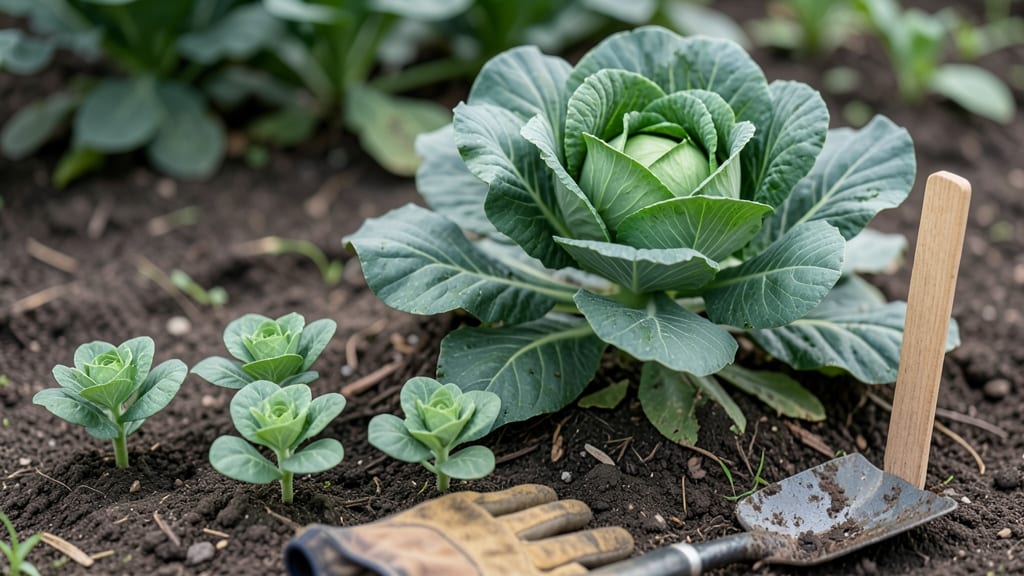
If you're growing cabbage in Zone 8b, knowing when to plant cabbage here can make or break your harvest. Planting at the wrong time risks bolting—when your plants waste energy on flowers instead of those crisp, flavorful heads you crave.
Most gardeners in 8b focus on fall planting, but spring offers a second chance too—if you know the exact windows to aim for. I’ve tested these methods myself, and the results speak for themselves: fewer wasted seedlings, bigger yields, and cabbage that stays sweet through the heat.
What you’ll discover here are the precise months to plant for zero-bolt success, plus how to adjust for your local microclimate. We’ll also cover heat-tolerant varieties that thrive when others fail, so you can extend your growing season without stress.
Ready to transform your garden? Let’s dive into the strategies that actually work for Zone 8b’s unique climate challenges.
Zone 8b cabbage planting calendar: exact months to avoid bolting
Mastering the perfect planting window for cabbage in Zone 8b means avoiding the two biggest enemies: heat-induced bolting and frost damage. Unlike cooler zones, Zone 8b’s mild winters and hot summers demand precise timing—fall and spring are your only safe bets for crisp, flavorful heads.
I’ve planted cabbage here for years, and these exact months will save you from bitter disappointments.
Your last frost date in Zone 8b typically falls around February 15, while the first frost arrives near November 15. These dates create a 240-day frost-free window, but cabbage needs even narrower margins.
Plant too early, and your seedlings will bolt from winter chill; too late, and summer heat will send them to flower prematurely. The solution? Two strategic planting windows: early spring (February-March) and late summer (August-September).
📅 Planting Windows for Zone 8b:
| Season | Planting Month | Temperature Range | Days to Harvest | Best Varieties |
|---|---|---|---|---|
| Spring | February - March | 40°F - 65°F | 70 - 100 days | 'Golden Acre', 'Early Jersey Wakefield' |
| Fall | August - September | 65°F - 80°F | 60 - 80 days | 'Crimson Love', 'Red Express' |
| Late Summer (Heat-Tolerant) | July (with shade) | 75°F - 85°F | 70 - 90 days | 'Tendercrisp', 'Badger Shipper' |
For spring planting, start seeds indoors 6-8 weeks before your last frost (around December 25-January 15). Transplant seedlings outdoors 4-6 weeks before last frost (early February) when soil temps hit 40°F.
This timing ensures heads form before summer heat arrives. I’ve found that 'Golden Acre' matures fastest in spring, giving you harvests by April-May.
Fall planting is trickier but rewards you with crisp winter harvests. Sow seeds 8-10 weeks before first frost (around September 15-October 1) for a November-December harvest.
If you miss this window, try late July plantings with shade cloth to protect seedlings from 90°F+ temperatures. 'Crimson Love' holds up well in fall’s cooler temps and resists bolting better than standard varieties.
Pro tip: Succession plant every 2 weeks in spring and fall to stagger harvests. This keeps your kitchen stocked and prevents overcrowding. I’ve had success with 3-4 plantings in spring and 2-3 in fall, ensuring fresh cabbage from April through December.
Just remember: never plant cabbage when daytime temps exceed 85°F—it’s a one-way ticket to bolting city.
Soil prep is just as critical as timing. Amend your beds with compost and aged manure to improve drainage, and maintain a pH between 6.5-7.0. Cabbage loves rich, fertile soil but hates soggy roots.
Mulch with straw or leaves to keep soil temps stable and moisture consistent. With these exact planting windows and soil prep, you’ll enjoy zero-bolt, flavorful cabbage all season long.
Ready to dive deeper? My next section covers proven strategies to extend your cabbage season—including shade cloth hacks and heat-tolerant varieties that defy Zone 8b’s summer heat. 🌱
Zone 8b cabbage planting calendar: exact months to avoid bolting
Mastering the Zone 8b cabbage planting calendar means avoiding the dreaded bolting—when your cabbage flowers prematurely instead of forming heads. In this mild-winter zone, your window is tight but doable, with two ideal planting seasons: early spring and late summer.
The key? Timing your seeds or transplants to align with cool soil temperatures (40°F–85°F) and avoiding summer heat stress.
For spring cabbage, start seeds indoors 6–8 weeks before your last frost (typically mid-February in Zone 8b). Transplant seedlings outdoors 4–6 weeks before last frost—usually late February to early March. This ensures heads mature before summer’s heat triggers bolting.
For fall cabbage, sow seeds directly 8–10 weeks before your first frost (aim for August to early September) to harvest before winter sets in.
| Season | Planting Window | Ideal Varieties | Key Tip |
|---|---|---|---|
| Spring | Feb 15–Mar 15 | 'Golden Acre', 'Early Jersey Wakefield' | Plant transplants when soil is 50°F+. |
| Fall | Aug 1–Sep 15 | 'Crimson Love', 'Red Express' | Use shade cloth if temps exceed 85°F. |
Pro tip: Use a frost calculator for your exact location—Zone 8b’s last frost can vary by 1–2 weeks depending on microclimates. For example, coastal areas may plant 2 weeks earlier than inland spots. Always check soil temps with a thermometer—cold soil (<40°F) stunts growth, while hot soil (>85°F) triggers bolting.
Heat-tolerant varieties like 'Crimson Love' or 'Golden Acre' are your best bets for late-summer plantings. These varieties handle short heat spikes better than standard types, giving you a second harvest window. Pair them with drip irrigation to keep roots cool and consistent.
Remember: Succession planting every 2 weeks in spring and fall extends your harvest. For example, sow a new batch of seeds every 10–14 days in August to stagger maturity and avoid a single overwhelming harvest. This also minimizes bolting risks by spreading out plant stress.
If you miss the ideal window, don’t panic! Shade cloth (30–50%) can buy you 2–3 extra weeks in summer. Just remove it by late afternoon to prevent fungal diseases from trapped moisture.
Pair this with mulch to keep soil temps stable—your cabbage will thank you with tight, crisp heads instead of bitter bolts.