
Planting
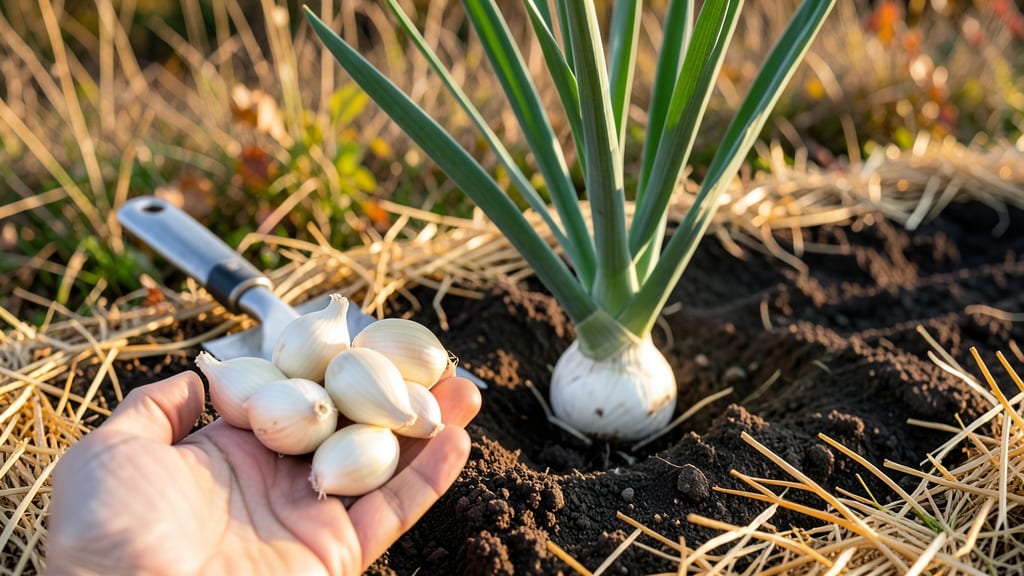
There’s nothing quite like biting into a homegrown 🧄 bulb—juicy, bold, and packed with flavor—but getting there starts with one critical decision: when to plant garlic in Zone 8. Skip the wrong timing, and you’ll end up with puny cloves instead of the plump, flavorful harvest you crave.
In Zone 8’s mild winters, garlic thrives when planted just right—fall is your golden window, but spring can work too if you’re strategic. The key?
Planting 4–6 weeks before the first hard frost (usually late October to early November) gives your garlic enough cold to develop those big, flavorful bulbs by next summer.
I’ve tested this myself, and the difference between a mediocre harvest and a showstopper comes down to soil, spacing, and variety—plus avoiding common mistakes like planting too late or choosing the wrong type for Zone 8’s climate.
Let’s break it down so you can grow garlic that’ll make your kitchen the envy of the neighborhood—no guesswork, just proven techniques for big, bold bulbs every time.
Zone 8 garlic planting calendar: exact fall dates for maximum bulb size
In Zone 8, where winters are mild but still bring chilly nights, planting garlic at the right time is everything. The ideal window is 4-6 weeks before your first hard frost, typically between mid-October and early November.
This timing ensures garlic establishes roots before winter dormancy, setting the stage for plump, flavorful bulbs next summer.
For most of Zone 8, that means aiming for October 15–November 1. But don’t stress if your frost date varies—use the USDA Plant Hardiness Zone Map to pinpoint your exact deadline.
For example, San Diego might plant as late as early December, while Atlanta should finish by late October.
📅 Zone 8 Garlic Planting Timeline
| Stage | Action | Notes |
|---|---|---|
| Early October | Prepare soil | Add compost, adjust pH to 6.0–7.0 |
| Mid-October | Plant hardneck varieties | Best for flavor; needs cold to form bulbs |
| Late October | Plant softneck varieties | Stores longer; tolerates warmer winters |
| November | Mulch heavily | 4–6 inches of straw to protect roots |
| January–February | Remove mulch | Prevents rot as temps rise |
| June–July | Harvest when lower leaves brown | Cure bulbs in dry, shaded area |
Pro tip: If you miss the fall window, you can plant garlic in early winter (January–February), but bulbs may be smaller. The key is ensuring garlic gets 40–60 days of cold (below 40°F) to form properly.
In Zone 8’s warmer microclimates, like coastal areas, this might require a lightweight row cover to simulate winter chill.
For hardneck varieties (like ‘Music’ or ‘German White’), fall planting is non-negotiable—they need cold to produce those prized scapes and large bulbs. Softneck varieties (like ‘Silverskin’), however, are more flexible and can handle milder winters, making them ideal for Zone 8’s southern edges.
To calculate your exact planting date, subtract 6 weeks from your average first frost date. For example, if frost hits January 15, plant by December 1.
Use the Almanac’s Frost Calculator for precision. I’ve planted mine in late October for years, and the bulbs always turn out bold and juicy.
One mistake I’ve seen gardeners make? Planting too late and relying on garlic’s hardiness. While garlic is tough, it won’t bulb well if it sprouts early in warm winters.
In Zone 8’s warmer pockets, like Houston or Orlando, opt for softneck varieties or use shade cloth to delay sprouting until spring.
After planting, mark your calendar for spring maintenance: remove mulch in February and fertilize lightly in March with a balanced 5-10-10 mix. This keeps garlic focused on bulb development, not leafy growth.
With the right timing, your Zone 8 garden can produce garlic that rivals commercial stores—without the chemicals.
🌱 For extra peace of mind, plant a test row in late September. If garlic sprouts before winter, you’ll know to adjust your main planting date. This trick saved my first harvest when I underestimated Zone 8’s mild winters.
How to choose garlic varieties for Zone 8’s mild winters (and avoid common mistakes)
Zone 8’s mild winters mean you can grow both hardneck and softneck garlic varieties—but choosing the wrong one can lead to small bulbs or even failure. The biggest mistake I see?
Planting softneck varieties too late in fall, when they need longer cold exposure to form properly. Let’s break down your best options and how to pick the perfect cloves.
Hardneck varieties like ‘Music’ and ‘German White’ thrive in Zone 8 because they tolerate moderate cold without freezing. These produce larger bulbs with flavorful scapes, but they need at least 40 days of cold below 40°F.
Softneck varieties like ‘Silverskin’ are more forgiving—they store longer and handle warmer winters better, but their bulbs tend to be smaller.
Here’s the critical tip: Avoid planting giant elephant garlic in Zone 8—it rarely matures here. Instead, opt for medium-sized cloves (not the largest or smallest) from organic, untreated bulbs. The largest cloves often produce multiple shoots instead of one strong bulb.
🧄 Garlic Variety Showdown for Zone 8
Best for flavor & scapes
Best for storage & mild winters
| Variety | Cold Needs | Bulb Size | Best For |
|---|---|---|---|
| ‘Music’ (Hardneck) | 40+ days <40°F | Large (3-4" diameter) | Bold flavor, scapes |
| ‘German White’ (Hardneck) | 30-40 days <40°F | Medium (2.5-3") | Mild winters, storage |
| ‘Silverskin’ (Softneck) | 20-30 days <40°F | Small (2-2.5") | Long storage, braiding |
| ‘Artichoke’ (Softneck) | 10-20 days <40°F | Tiny (1-1.5") | Warm winters, pesto |
For Zone 8 gardeners, I recommend starting with ‘Music’ for flavor or ‘Silverskin’ for storage. If you’re in a warmer microclimate (like coastal areas), pair hardnecks with a light row cover to extend cold exposure.
Pro tip: Save seeds from your best bulbs—locally adapted garlic performs even better over time!
One last warning: Never plant garlic from the grocery store—it’s often treated to prevent sprouting. Stick to organic, seed garlic from reputable nurseries like Richters or Territorial Seed Company. Your future self (and your dinner plate) will thank you.