
Plants
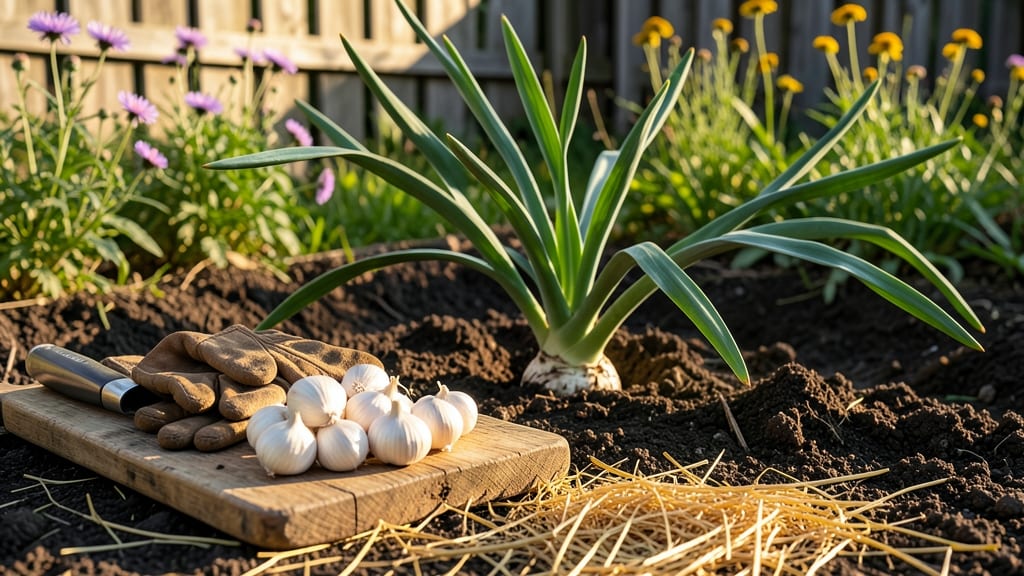
Timing your garlic planting in South Louisiana isn't just about the calendar—it's about beating the heat, humidity, and unpredictable weather patterns that can turn your crop into a flop. With our 8a-9a climate, those late-October heatwaves or December flooding can derail even the most eager gardener.
Most gardeners here swear by planting 🧄 between October and November, but there's a science to it. Too early, and your garlic might rot in the soggy soil; too late, and you risk bolting before you can harvest those plump bulbs.
The key is syncing your planting with Louisiana's unique microclimates—whether you're in swampy coastal areas or hotter inland zones.
I've learned the hard way that local varieties like Creole garlic thrive with specific adjustments. We'll cover how to prep your soil, when to mulch, and even how to protect your crop from our infamous humidity spikes.
Skip these steps, and you might end up with small, weak bulbs—or worse, no harvest at all.
Let me show you exactly how to time your garlic planting for maximum yield, using proven techniques that work in our humid, warm winters.
By the end, you'll know not just when to plant, but how to give your garlic the best shot at success in South Louisiana's challenging growing conditions.
Optimal planting windows for South Louisiana garlic varieties
South Louisiana’s mild winters and humid climate make it ideal for growing garlic, but timing is critical to avoid bolting or disease. Unlike northern regions, we don’t have harsh freezes—so the window is narrower.
Plant too early, and your garlic may rot in the damp soil; too late, and you’ll miss the cool-season growth needed for large bulbs.
For hardneck varieties (like Music or German Red), aim for mid-October to early November.
These need cold vernalization to form bulbs, but South Louisiana’s Zone 8b-9a winters are mild—so we push the window later than northern states. Softneck varieties (like Silverskin) are more flexible and can handle late November plantings if soil temps stay below 70°F.
| Variety Type | Best Planting Window | Soil Temp Requirement | Risk in South LA |
|---|---|---|---|
| Hardneck (e.g., Music, German White) | Mid-October to early November | 50–65°F (10–18°C) | Bolting if planted too late |
| Softneck (e.g., Silverskin, Artichoke) | Late October to December | 55–70°F (13–21°C) | Rot if planted too early |
| Elephant Garlic (e.g., Inchelium Red) | Late November to early January | 60–75°F (16–24°C) | Slow growth in heat |
Adjust for coastal areas—plant 2–3 weeks earlier to avoid summer heat.
Coastal areas like Lafayette or Grand Isle have higher humidity and warmer soils—shift your window 2–3 weeks earlier (early October) to avoid fungal diseases like white rot. Inland areas (e.g., Shreveport) can plant slightly later due to cooler nights.
Use a soil thermometer to confirm temps: hardnecks need below 70°F, while softnecks tolerate up to 75°F. If your soil runs hotter, try shade cloth or raised beds to extend the window into early December.
Pro tip: Pre-sprout cloves indoors for 2–3 weeks before planting. Place cloves in a paper bag with the roots facing down, and keep them in a cool, dark spot (like a garage). This jumpstarts growth and gives you a head start in Louisiana’s short cool season.
For urban gardeners in New Orleans or Baton Rouge, container growing works well. Use well-draining pots (at least 12 inches deep) and plant in late October to avoid summer heat stress. Just ensure pots don’t sit in standing water—drainage is key!
If you miss the ideal window, don’t panic. Elephant garlic and softnecks are more forgiving—plant them in January for a smaller harvest but still usable bulbs. Just mulch heavily to insulate roots from temperature swings.
Remember: Harvest timing is just as critical as planting. Aim for April–June, when lower leaves turn straw-colored but bulbs are still firm. Cure them in a dry, shady spot for 2–3 weeks to prevent mold—especially important in Louisiana’s damp air.
🌱
How to Adjust planting for South Louisiana’s microclimates
South Louisiana’s microclimates can drastically alter garlic’s success—coastal areas stay humid longer, inland zones heat up faster, and urban heat islands bake soil earlier. Adjusting your planting strategy by region ensures your cloves develop strong bulbs instead of bolting prematurely.
For coastal parishes like Lafourche or Terrebonne, aim for late October to early November planting. The extra humidity can delay soil cooling, so wait until nighttime temps dip below 70°F to avoid fungal rot.
Inland areas like Baton Rouge or Alexandria can plant 2-3 weeks earlier, as soils warm up faster.
Urban gardeners in New Orleans or Shreveport face heat island effects, where pavement retains warmth. Test soil temps with a thermometer—plant only when it’s consistently below 65°F at 4-inch depth.
If your yard stays too warm, try shade cloth or raised beds with black plastic mulch to cool roots.
Use a soil thermometer at 4-inch depth—ideal planting temp: 60-65°F.
Use straw mulch (4-6 inches) to insulate roots—prevents soil temp spikes in urban areas.
In hot zones, bury cloves 2 inches deeper than usual (4 inches total) for cooler root zones.
Opt for softneck varieties like ‘Silverskin’—they tolerate warmer winters better than hardnecks.
If you’re in a flood-prone area, elevate beds with sand or compost to improve drainage. Louisiana’s clay-heavy soils can suffocate garlic roots, so amend with organic matter (like composted leaves) before planting. For container growing, use well-draining mixes with perlite to mimic ideal conditions.
Finally, monitor your garlic’s progress with weekly checks. If leaves start yellowing prematurely in spring, it’s a sign of heat stress—provide afternoon shade with lightweight fabric until temps drop. With these adjustments, you’ll grow plump, flavorful bulbs despite Louisiana’s unpredictable climate. 🌱