
Plants
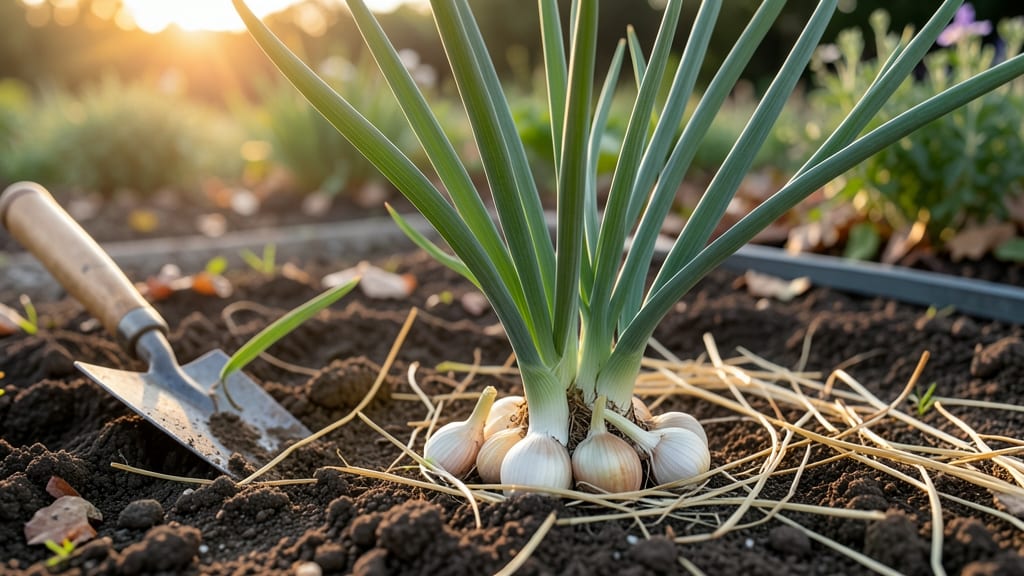
If you're asking "when to plant garlic in Pennsylvania", timing isn't just important—it's the secret weapon behind those plump, flavorful bulbs you dream of harvesting next summer.
Pennsylvania's 5b-7a zones demand precision, and planting your 🧄 too early could mean rot, while waiting too long risks weak roots before winter sets in.
Most gardeners in the Keystone State swear by the October-November window, but here's the catch: your exact dates depend on whether you're in the warmer southeast or colder northwest regions.
We'll break down the ideal planting schedule tailored to your microclimate, so you can avoid common mistakes that leave your garlic struggling.
What you'll discover is that soil temperature and frost dates play a bigger role than you might think. For example, planting 4-6 weeks before the ground freezes gives your garlic just enough time to establish roots before winter dormancy—without sending it into a growth spasm too early.
Let's dive into the specifics that'll have your garlic thriving.
From choosing the right cloves to protecting your crop through Pennsylvania's unpredictable winters, you'll learn how to set yourself up for a bountiful harvest in late June or July.
Whether you're a seasoned gardener or just starting with 🧄, these insights will help you grow garlic that's the envy of every kitchen.
Best fall planting windows for garlic in Pennsylvania (by region)
Pennsylvania’s USDA Zones 5b-7a create distinct garlic planting windows—miss them, and your harvest suffers. The ideal time is 4-6 weeks before ground freezes, but exact dates vary by region. Southeast PA (Zone 7a) gets a later window than the colder northwest (Zone 5b), where early frosts demand precision.
Let’s break down the perfect planting dates for each zone, including soil temperature thresholds and moon phase tips for stronger bulbs.
For Southeast Pennsylvania (Zone 7a), aim for mid-October to early November. Soil temps should hover around 40-50°F—warmer than other regions, thanks to delayed frosts. Planting under a waxing moon (when roots grow stronger) can boost bulb size.
Hardneck varieties like ‘German Red’ thrive here, while softnecks like ‘Silverskin’ tolerate slightly later plantings. Pro tip: Use a soil thermometer to confirm temps before committing.
In Central Pennsylvania (Zone 6b), the window narrows to late September to mid-October. First frosts arrive earlier, so don’t wait past October 15 unless you’re in a microclimate. Hardnecks like ‘Music’ or ‘Chesnok Red’ handle Central PA’s winters well, but softnecks need extra mulch for insulation.
A trick I use? Plant near evergreen shrubs to create a windbreak and retain heat.
| Region | USDA Zone | Ideal Planting Window | Soil Temp Threshold | Best Varieties |
|---|---|---|---|---|
| Southeast PA | 7a | Mid-October - Early November | 40-50°F | German Red, Silverskin |
| Central PA | 6b | Late September - Mid-October | 35-45°F | Music, Chesnok Red |
| Northwest PA | 5b | Early September - Early October | 30-40°F | Rocambole, Silver Banjo |
Northwest Pennsylvania (Zone 5b) demands the earliest action: early September to early October. Frosts arrive by October 10 in most areas, so don’t delay. Varieties like ‘Rocambole’ and ‘Silver Banjo’ handle the cold best.
Here, I double-mulch—first with straw, then hay—to protect cloves from heaving during freeze-thaw cycles. A black plastic mulch trick also works to insulate soil.
Moon phases matter! Planting during a waxing moon (when the moon is growing) encourages root development, while a waning moon can lead to weaker bulbs. Check a lunar calendar and align your planting with the root crops phase (typically early fall).
For example, a full moon in October often signals the perfect time to plant in Central PA. Pair this with well-draining soil (amend with compost if needed) for best results.
Hardneck vs. softneck choices also affect timing. Hardnecks (like ‘German White’) need cold vernalization to form bulbs, so plant them earlier in the window. Softnecks (like ‘Artichoke’) tolerate later plantings but may produce smaller bulbs if frozen.
In PA’s Zone 6b, I plant hardnecks by October 1 and softnecks by October 15 for flexibility.
Watch for false springs—those warm spells in late winter that trick gardeners into thinking frost is over. If temps spike above 50°F in February, garlic may bolt prematurely, ruining your crop. A frost cloth can buy you time if an early thaw threatens.
Conversely, late frosts in spring (after April 15) can damage emerging shoots, so choose a sheltered planting spot near a fence or building.
Pro move: Mark your planting dates on a garden calendar alongside historical frost data for your specific county. Extensions like Penn State’s offer free frost maps—use them!
For example, Erie County (Zone 5b) has earlier frosts than Chester County (Zone 7a), so adjust accordingly. Timing isn’t just about dates; it’s about understanding your microclimate.
Finally, don’t stress if you miss the ideal window. Garlic can handle late fall plantings (even December in mild zones), though bulbs may be smaller. The key is soil prep: loosen soil, add compost, and ensure drainage to prevent rot.
Next up, we’ll cover prepping cloves and mulching strategies to protect your garlic through PA’s winters—critical for those unpredictable thaw cycles! 🌱
How to prepare garlic cloves for Pennsylvania’s unpredictable winters
Preparing garlic cloves for Pennsylvania’s winters isn’t just about timing—it’s about hardiness and protection. Since PA’s USDA Zones 5b-7a experience freezing temperatures and thaw cycles, your cloves need extra care to survive until spring.
Start by selecting large, firm cloves from hardneck varieties like ‘German White’ or ‘Music’, which thrive in cold climates. Smaller cloves or softneck varieties may struggle with PA’s harsh winters.
Before planting, soak cloves in water for 4-6 hours to boost root growth. This step is especially critical in dry soil common in western PA. After soaking, let them dry overnight to prevent rot when planted.
If you’re planting in heavy clay soil (common in eastern PA), mix in compost or sand to improve drainage—garlic hates soggy roots.
🌱 Organic Mulch vs. Synthetic Mulch for PA Winters
- ✅ Insulates soil against temperature swings
- ✅ Improves soil as it breaks down
- ✅ Natural pest deterrent (e.g., slugs)
- ❌ May compact if too wet
- ❌ Requires replenishing in spring
- ✅ Warms soil faster in early spring
- ✅ Weed suppression is long-lasting
- ✅ No decomposition = long-term use
- ❌ Traps heat in late summer (risk of rot)
- ❌ Not biodegradable (environmental concern)
Note: For PA’s variable winters, organic mulch (4-6 inches) is often the safer choice.
Once planted, cover with mulch immediately after the first frost to protect cloves from freeze-thaw cycles. In northern PA (Zone 5b), add a thicker layer (6+ inches) of straw or leaves, while southern PA (Zone 7a) may only need 3-4 inches.
Avoid using fresh grass clippings, as they can mat down and suffocate plants.
If you’re planting in late fall (December), consider using a row cover or cold frame to extend the growing season. This is especially useful in microclimates like Pittsburgh or Erie, where winters can be unpredictably harsh.
Just ensure the cover allows some airflow to prevent fungal diseases like white rot.
Finally, label your garlic beds if you’re growing multiple varieties—PA’s diverse climate can cause uneven maturation. Hardneck garlic (like ‘Silverskin’) often matures 2-3 weeks earlier than softneck, so tracking varieties helps you harvest at peak flavor.
Store extra cloves in a cool, dry place (like a garage or basement) if you missed the fall planting window.
With these prep steps, your garlic will survive PA’s winters and reward you with bold, flavorful bulbs next summer. Just remember: drainage, mulch, and timing are your best friends in the Keystone State’s garden! 🌱